

AMD EPYC Zen 6 Set to Capitalize as Intel Delays Xeon Diamond Rapids to Mid-2027
AMD’s Zen 6 EPYC lineup is positioned to dominate high-end servers amid Intel’s delayed P-core roadmap.
Hardware by Katmin on Apr 27, 2026
Another leak from an insider source has dealt a fresh blow to Intel's data center plans. The big news is stark: Intel's next-generation P-core Xeon product, Diamond Rapids, is reportedly now pushed back to mid-2027, from mid-2016. Its successor, Coral Rapids, is provisionally slated for mid-2028 to further push the cadence shift.
In the consumer market, it's a nuisance. In the data center, it's a war crime. A year without a competitive high-performance architecture is an opportunity for competitors (notably AMD) to gain ground in the hottest part of the CPU market.
.jpg)
Clearwater Forest Can’t Fill a P-Core Void
Intel's 2026 product roadmap is not bare, but it is lumpy. It is still planning to release Clearwater Forest (Xeon 6) in the first half of the year, based on the ambitious Intel 18A process.
This is a formidable chip on paper: 288 E-cores that bring density and efficiency to new heights. But this is precisely where the problem lies.
E-cores are excellent for throughput-per-watt and massively parallel workloads. They are a great fit for cloud-native, microservice, and scale-out deployments.
But they don't replace performance-oriented P-cores in conventional enterprise workloads, high-frequency trading, or HPC simulations that require single-thread performance, low latency, and per-core throughput.
Without Diamond Rapids in 2016, Intel essentially had no Xeon-level response. This leaves a hole in its portfolio - one that its rivals can fill.
AMD’s Zen 6 Window of Opportunity
It also coincides almost exactly with the anticipated release of the AMD EPYC Zen 6 "Venice" processors. While Intel's staggered release schedule continues to confuse the market, AMD is maintaining a more consistent release cycle, delivering high core counts, improved IPC (instructions per cycle), and well-established platform partners.
The message is clear: 2016 may be a lopsided battle for the high-end server CPU market.
Without a new P-core Xeon platform to compete with Zen 6, Intel risks losing not only the performance battle but also design wins, hyperscale deals, and multi-year platform investments. In the data center market, it takes years to regain socket share.
Real Bottleneck: Memory Bandwidth, Not Core Count
Yet while delays are the news, the specifications of Diamond Rapids still give clues to Intel's long-term plans, and how it sees the real bottleneck.
It is likely to sport an enormous 16-channel memory system, with a bandwidth of ~1.6 TB/s. This figure is not only staggering, but it's also essential.
The workloads in today's data centers, such as artificial intelligence (AI) training and inference, are no longer compute-bound. They are memory-bound; frequently limited by the speed at which data can be moved between memory and compute units. Increasing the number of cores, and rumors are circulating that it might reach 512, is pointless if they can't be fed.
This is where Intel's design ethos comes into play: Compute scales with core count, but memory feeds it.
The concern is timing. By the time Diamond Rapids ships, AMD will probably have its own new memory and interconnect technologies well in the field.
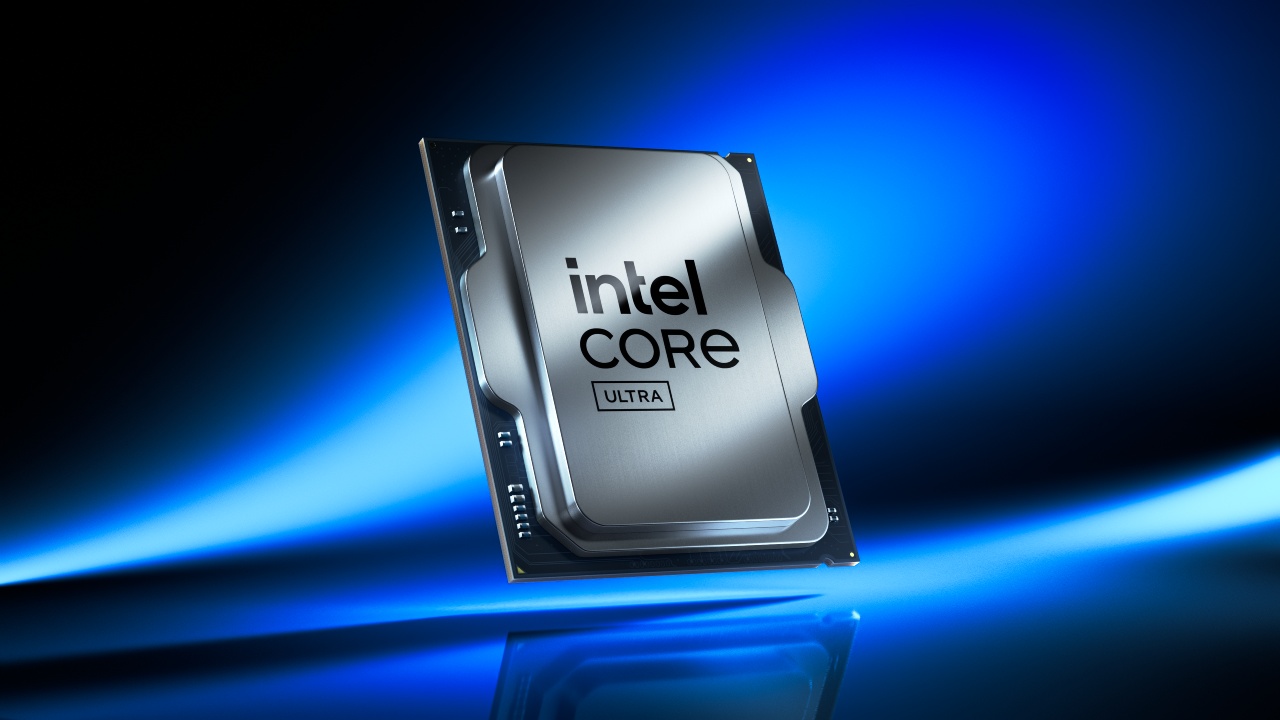
Coral Rapids and the Curious Return of SMT
Looking beyond Diamond Rapids, we see an interesting development with Coral Rapids. Rumors indicate Intel might bring back SMT (Simultaneous Multithreading, also known as Hyper-Threading), having dabbled in hybrid and non-SMT designs over the past year.
This potential return underscores Intel's lack of confidence in its server CPU roadmap. It seems to be experimenting with its threading strategy, seeking the right balance of efficiency, performance, and scalability across a wide range of workloads.
If this is a transition period, we expect some experimentation. Still, too much experimentation can be a cause for concern for enterprise buyers, who value stability and predictability over experimentation.
Intel's slip on its roadmap isn't about one product - it's about losing rhythm in a market that punishes inconsistency.
Data centers care more about clear roadmaps, stable platforms, and regular refresh cycles than raw specs. A 512-core processor is useless if it arrives too late for a market that has already adopted the rival's product.
By delaying Diamond Rapids to 2017, Intel could be opening up a golden window for AMD in 2016 - an uncommon occurrence in a highly competitive market. And if Zen 6 goes smoothly, that year could be many years of uncontested leadership.
Intel remains ahead of the curve on architectural vision (huge memory bandwidth, next-gen nodes, scalable designs), but that's tough to sell to enterprise customers without timelines.
Today, the largest edge that AMD has isn't performance. It's momentum.
Senior Editor, NoobFeed
Latest Articles
No Data.