
Bethesda’s Update Problems are Starting to Frustrate Even its Most Loyal Players
From Oblivion Remastered to Starfield and Fallout 4, players are losing patience with broken patches, crashing issues, and long periods of silence from Bethesda.
Opinion by Tahmid Mahi on May 20, 2026
Bethesda has spent years building a reputation for massive RPGs that players can lose themselves in for hundreds of hours, but lately that reputation has started to shift toward something else entirely. If you’ve kept up with the studio over the last few years, you’ve likely noticed a growing frustration with its updates, technical support, and communication.
Many players no longer feel like Bethesda is fixing its games fast enough, especially when updates continue creating new problems instead of solving old ones. That frustration has become even louder recently as several of Bethesda’s biggest games continue struggling with bugs, crashes, and performance issues months or even years after launch.
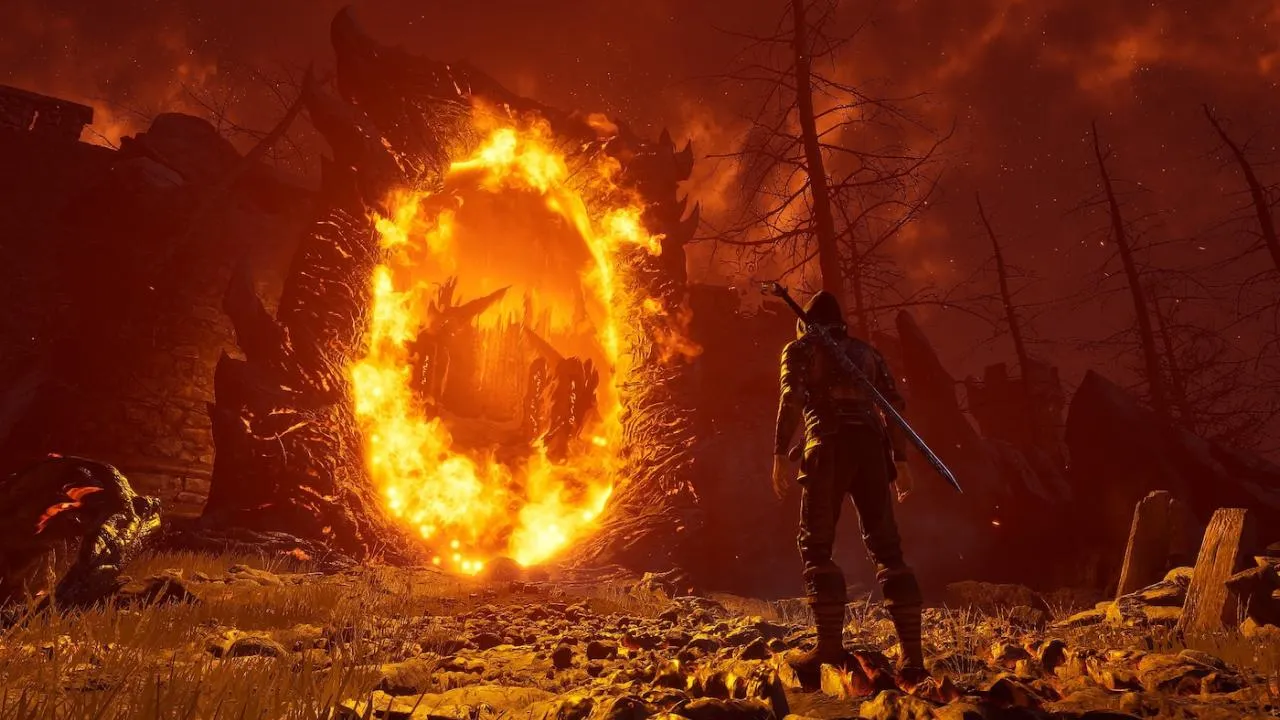
One of the biggest complaints surrounding Bethesda right now is the way its updates continue disrupting modding communities. For years, Bethesda games survived largely because modders were willing to resolve problems themselves for free. You could load up games like Fallout 4 or Skyrim with community patches, gameplay improvements, and bug fixes that often made the experience far smoother than the official versions.
The issue is not simply that Bethesda updates its games.
Players understand that patches and fixes are necessary, especially for live-service games or newer releases. The frustration comes from the fact that many updates seem to arrive without major improvements while still managing to break large portions of the modding ecosystem. A modder can spend weeks repairing a system or improving performance.
That criticism has spread across multiple Bethesda communities at once. Players from Starfield, Fallout 76, Fallout 4, and Oblivion Remastered have all raised similar concerns over the past year. Even longtime Bethesda fans who normally defend the studio have started admitting that the situation has become difficult to ignore.
A lot of recent attention has focused on Oblivion Remastered after new reports highlighted the game’s ongoing technical problems. When the remaster launched, excitement around it was massive because it finally brought one of Bethesda’s most beloved RPGs back with modern visuals.
The game looked impressive running on Unreal Engine 5, and many players immediately jumped back into Cyrodiil after years away from the original release. That launch period created a giant wave of positivity around Bethesda that many fans had not felt in a long time. Hence, enhancing the gaming experience.
Once the excitement settled down, though, more players started noticing serious performance issues. The game was said to have constant stuttering, crashes, and degrading performance after long play sessions, especially on consoles. Some players claimed they were dealing with crashes every 10 or 20 minutes, which quickly turned the experience into a frustrating one.
The lack of communication surrounding Oblivion Remastered has only added to the frustration. Bethesda reportedly referenced a future update in an interview, but players have not seen much follow-up information since then. The game’s last major patch arrived back in July 2025, and since then there has been very little official discussion about where support currently stands.
What makes the situation more disappointing for longtime fans is that many people genuinely loved the remaster itself.
Underneath the stuttering and crashing, players still found the core experience compelling because the original Oblivion remains one of Bethesda’s most popular RPGs. For some fans, the remaster also highlighted how much they still enjoy Bethesda’s older design philosophy compared to some of the studio’s newer releases.
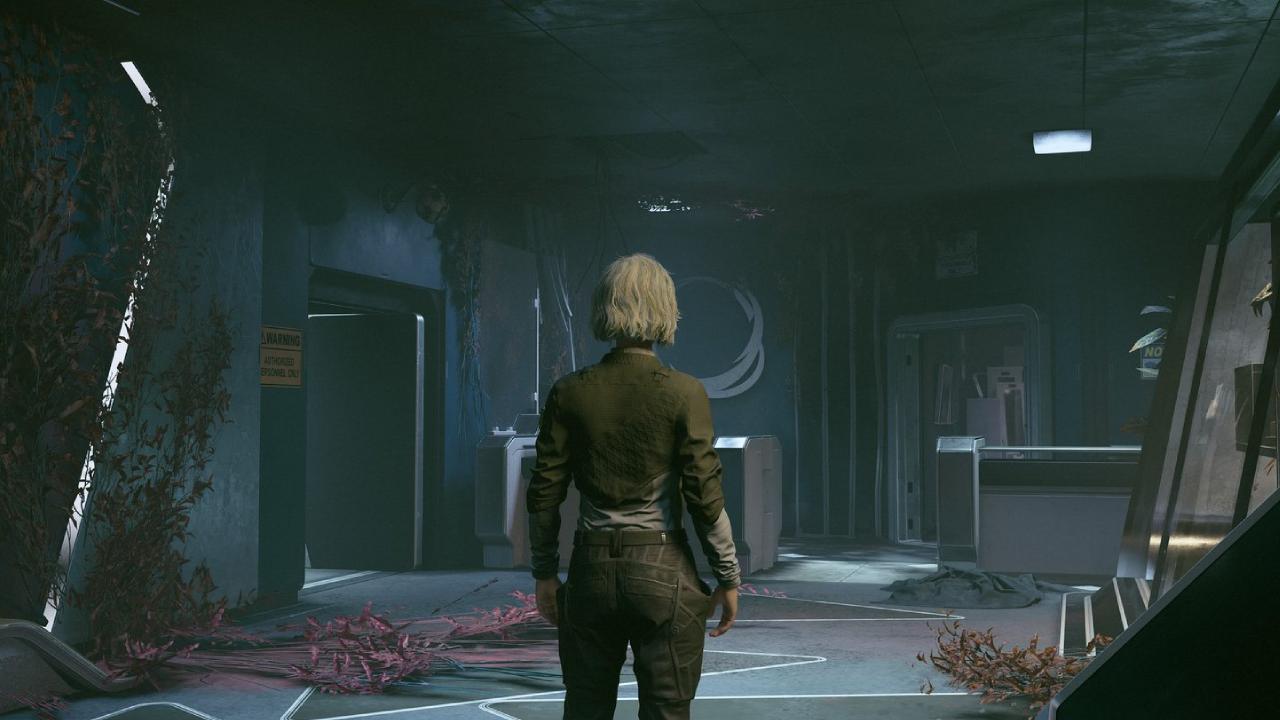
At the same time, Bethesda has also been dealing with problems surrounding Starfield. The game recently expanded to PlayStation 5 alongside a large update that introduced improved space travel systems and additional features. On paper, the update sounded like a giant upgrade to the overall experience, and most players seemed to react positively.
Starfield crashes frequently enough to interrupt normal gameplay sessions, according to many player reports. The game freezes at random times, and you have to reboot the game to be able to play. Others report crashes every few hours, often resulting in lost progress and repeated frustration.
Bethesda has already released updates aimed at improving Starfield’s stability, but many players still say the problems remain. That has created another recurring complaint surrounding Bethesda’s post-launch support. By the time larger fixes arrive, a significant part of the community may have already stopped playing.
Fallout 76 has also become part of this larger discussion around Bethesda’s updates. Unlike Bethesda’s single-player RPGs, Fallout 76 receives regular ongoing support and frequent patches. The problem is that many players feel almost every update introduces a fresh set of bugs or technical difficulties.
Players often point out that Fallout 76’s problems are especially frustrating because the game receives frequent updates. You would normally expect weekly or regular patches to improve stability over time, but many fans feel the opposite is happening instead. New bugs appear while older issues continue lingering for months
Fallout 4 has become another major example of how badly updates can backfire.
Bethesda’s next-gen update for the game was originally promoted as a celebration of one of its most successful RPGs. Instead, many players felt the update introduced even more problems into a game that modders had already spent years stabilizing. The patch reportedly created major stuttering issues and broke compatibility with countless mods.
Part of the backlash came from how suddenly the update appeared. Bethesda reportedly announced the patch only a short time before launch, which left modding communities scrambling to prepare. Fallout 4 had gone years without major updates, so many players were worried the patch would disrupt existing mod setups.
The technical difficulties did not stop there either. Since the update launched, some players have reported missing textures, broken mod menus, and major performance drops. One particularly frustrating issue involved NPC face generation data causing severe stuttering problems, especially for heavily modded saves. For many players, Fallout 4 became far less stable after the update than it had been beforehand.
Bethesda eventually addressed some of those problems, but the timing of the fixes frustrated players even more. Several issues reportedly remained unresolved for over a year before Bethesda finally released another update connected to the second season of the Fallout TV series.
That timing led some fans to feel like support only returned because there was another marketing opportunity tied to the franchise. Instead of feeling like player support, the update felt more connected to promoting Fallout as a brand. For many players, it created the impression that fixing the game was not the main priority until there was something new to sell alongside it.
Todd Howard has spoken publicly about some of these frustrations during recent interviews.
He acknowledged that Bethesda tries to be careful with updates because certain changes can completely disrupt player load orders and mod setups, especially on Xbox. Howard also explained that the studio attempts to work with modding communities ahead of updates whenever possible.
Even so, many players feel those responses do not fully address the scale of the problem. It’s not just one bad patch or one unstable release anymore. Broken updates, long waits for fixes, and weak communication are starting to feel like a regular thing for Bethesda players. That frustration has begun to affect how people feel about the studio in general.
Currently, Bethesda still has one of the most loyal fanbases in gaming, but that loyalty is clearly being tested. Players continue returning to these worlds because they still love Bethesda’s style of RPG design, exploration, and storytelling. The problem is that patience is starting to wear thin as the same technical difficulties continue repeating across multiple releases.
Editor, NoobFeed
Latest Articles
No Data.