
Call of Duty: Black Ops 7 Sparks Industry-Wide AI Backlash
Congress weighs in as gamers, developers, and critics unite against AI-generated content in AAA gaming.
Opinion by Wasbir Sadat on Nov 18, 2025
Call of Duty: Black Ops 7 has done something that has brought together the internet, the gaming community, industry analysts, artists, and even U.S. lawmakers to fight a single, quickly growing threat: the unchecked use of AI in game development.
The irony is almost amusing for a series known for exploring themes of bad AI and false stories. Still, what the players are going through is no laughing matter. The issue of AI-made calling cards, art assets, and prestige icons has grown into a full-blown industry flashpoint, and Congress is now paying attention as the fight over the appropriate use of AI in gaming heats up.
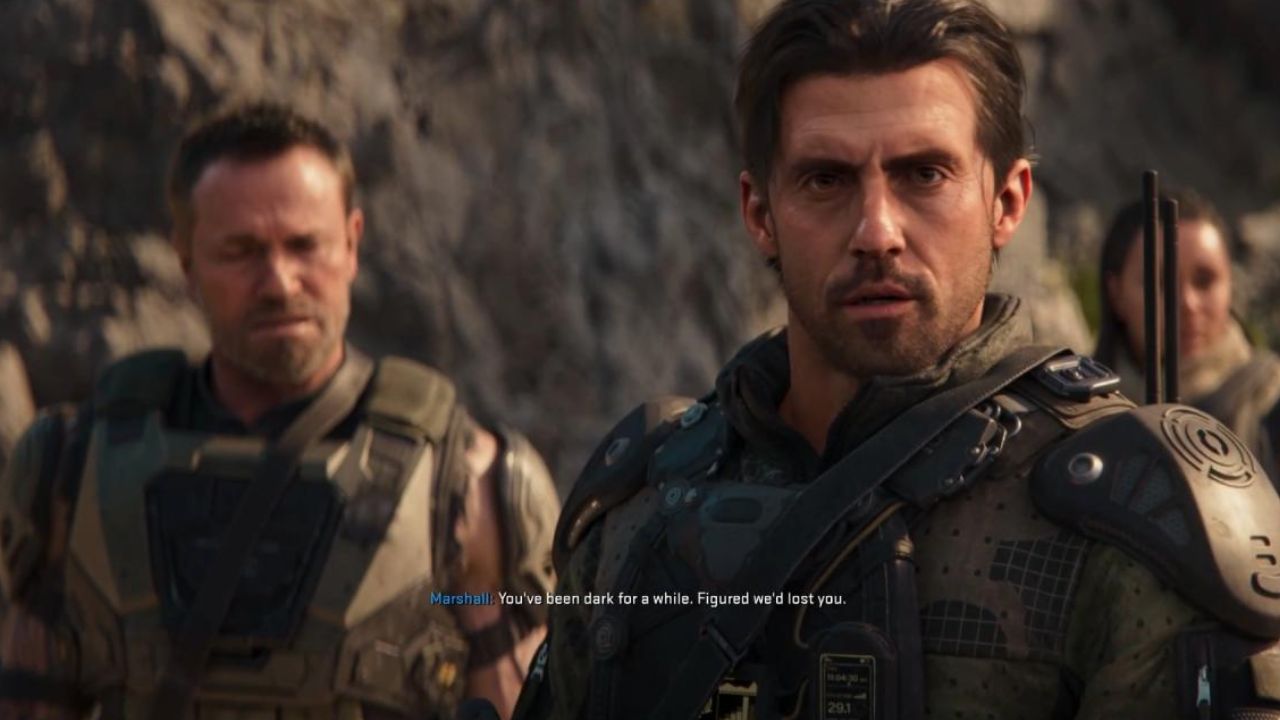
A report that went viral about Black Ops 7's AI-generated calling cards sparked a national conversation about the issue. What started out as normal community criticism got worse when a big game news account reposted the calling card compilation without giving credit, which caused outrage over stolen work. Things got even worse when U.S. Representative Ro Khanna joined the conversation.
His comment led to a whole new round of scrutiny that involves a lot more than just a few cosmetic things.
Khanna said that the game industry needs rules right away to stop AI from replacing human artists just to make more money for companies. He said that artists should have a say in how AI is used at work, should get a cut of the profits if their work is replaced or helped by AI, and should be protected from being forced to leave their jobs in large numbers. This could be done through new taxes or policy changes.
Many people in the gaming community strongly agree with what he said, but they also strongly doubt that companies like Activision or Microsoft will ever agree to such limits on their own.
For many years, it has been true for some major franchises that they have lost touch with reality. Khanna's point echoes that truth. Fans have frequently voiced concerns about the lack of care and craftsmanship in big-budget games, whether it's due to rushed yearly releases, the reuse of remastered maps, or a heavy reliance on automated systems.
The trouble is that AI is faster and cheaper.
The argument got even more heated when Microsoft acquired Activision Blizzard. Critics argue that the megacorporation no longer values human-driven creativity as much as it once did, citing the failure of series like Halo and the lack of interest in games like The Outer Worlds 2.
Fans say it's easy to see why the company has started relying more on AI asset production: it cuts costs and speeds things up, even if it means sacrificing quality and artistic realism. Call of Duty remains one of the company's few major successes.
The problem is more serious than it looks. Reports say that Black Ops 7 has posters and other works of art made by AI that can be found in both multiplayer maps and story levels.
People are even more worried that artists' work is being copied or, worse, scraped without their permission to train generative models that can make thousands of different versions with no human labor.
Players now wonder how many artists don't know that their work is in Call of Duty and aren't getting paid or credited for it. It has caused a lot of anger that a $70 game, which already has recycled areas, could use mass-produced art.
And the release of AI-generated prestige icons, which are one of the most coveted ways to show that you've progressed in the series, only made things worse.
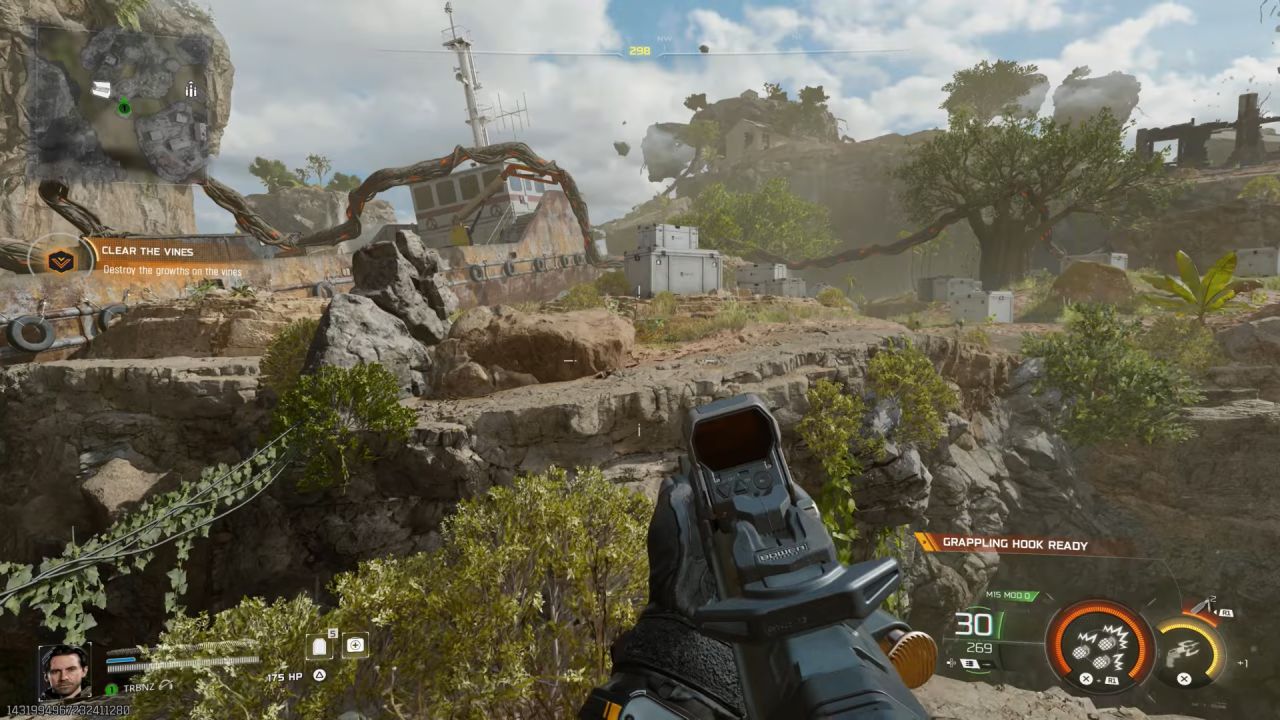
In the past, prestige icons, which were once handmade signs of devotion, were worn as badges of honor. For Black Ops 7, these images are now known to be AI outputs, which takes away from the satisfaction of players who work hard to unlock them.
A lot of people are upset that their hard-earned accomplishments were turned into automated prompts that were made in seconds instead of art made by real artists.
If I pay $70, I expect art made by people.
This feeling now includes fans and business analysts as well as players. Some reports suggest that $70 for a game with AI-driven filler is equivalent to buying a fake product at full price. When AI takes the place of human artists, customers don't just miss out on the chance to support the creative people who make games; they also pay full price for content that didn't cost the distributor much to make.
Fans point to well-known hits like Dark Souls, Chrono Trigger, and Final Fantasy VII, which are remembered for how carefully they were designed and how clearly they were made by humans. These older books show why creative work is important and why generative solutions are seen as taking advantage of people instead of being innovative.
On the other hand, Black Ops 7 is very different. Many people view it less as art and more as an experiment in getting the most work done with the least amount of human input. Over $1 billion was made from Black Ops 6 in its first week, so players say that Activision can easily afford to hire artists instead of AI to do the work. They claim the company's decision to assign creative work to computers is driven solely by greed.
Reports have suggested that Activision could quickly regain people's trust by hiring independent artists to create calling cards, cosmetic bundles, and prestige icons. A small budget of $1 million could pay for thousands of one-of-a-kind pieces of art, help small creators, and make the game's material better. Players say that Activision is instead picking the road that costs the least and is the least honest.
Old AI scandals come back to light—and things are getting worse.
It's not a new reaction. Similar complaints were made about Modern Warfare 3 (2023) after the now-famous Yokai Wrath bundle was revealed to be fully AI-generated, yet still sold for real money without any disclosure. Almost 1,900 workers were laid off following Microsoft's acquisition of the company. Several unnamed former Activision artists later stated that the rest of the staff was required to use AI tools and undergo "AI training sessions" to retain their jobs.
People who work inside Activision say that the company has been planning for AI-assisted production since 2022. With this new information, the present controversy is no longer seen as a hasty decision, but rather as part of a larger business plan that has been quietly developed over the years.
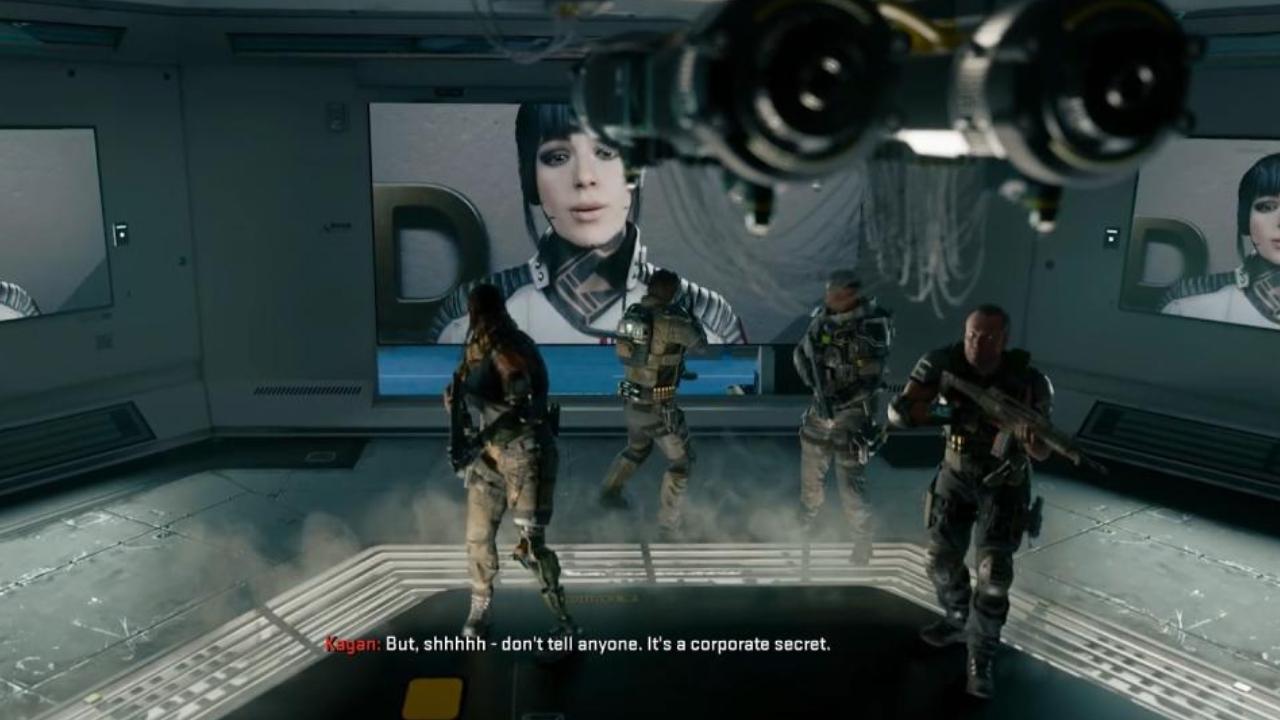
With Black Ops 7, that plan is now clear to everyone, and customers are fighting back harder than ever.
Critics agree that review bombing does happen, but they say that this time the response is right. Black Ops 7 has become a symbol for everything that gamers believe is wrong with AAA games: AI, reused content, dishonest methods of monetization, and a lack of artistic passion.
But a lot of gamers think that these protections are there to make money. Fans and people who depend on Call of Duty content for money or have deals with Activision might not want to publicly criticize the publisher. This could lead to conflicts between influencers and their viewers.
Players say it's time for rules and accountability.
There are more and more calls for control as the backlash grows. A lot of people now think that games that use generative AI should have to make this clear on their boxes or marketing materials. Proponents of transparency say that it would give customers the power to make smart choices, especially those who want to support creative work that is driven by people.
With Black Ops being one of the most successful gaming series ever (it's expected to have made over $31 billion by 2023), players say there's no reason to get rid of human developers. Some people say that people should not buy Black Ops 7 to show that AAA publishers can't just fire their creative staff without any effects.
Even improvements that made things better, like less skill-based matchmaking, haven't been enough to change how people feel about it. Some players agree that the game is more enjoyable when it runs more smoothly, but most think that quality-of-life changes can't hide deeper problems with the honesty of the content, the authenticity of the art, and the ethics of the company.
A lot of people are worried that if companies aren't pushed now, AI-generated images will soon be used in all kinds of games, not because they make games better, but because they make more money.
A turning point for the whole industry.
It was Black Ops 7 that sparked this discussion, but the issue goes much deeper than that. The game business is at a turning point right now. Publishers can treat AI as either a helper that makes people more creative or as a replacement that takes away from the artistic spirit of games.
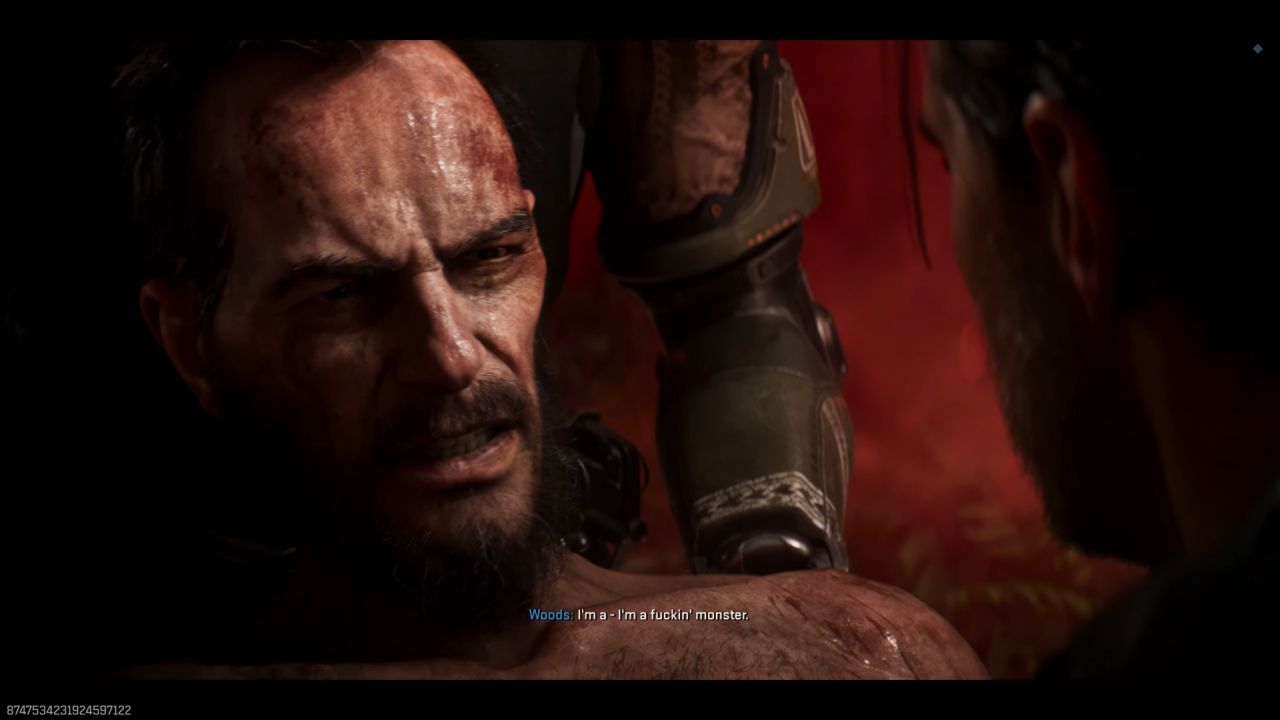
Now, lawmakers, journalists, artists, players, and veterans of the business are all involved in the debate. It's changing the way people think about work, copyright, creative ownership, pricing models, and the moral boundaries of AI.
And for now, Black Ops 7 is still a good example of how not to use AI in a big game series. How Activision responds—whether they change their ways or not—will affect not only the future of Call of Duty but also the future of AAA game creation in general.
Contributor, NoobFeed
Latest Articles
No Data.