
Every Cancelled Mario Port Nintendo Never Released
From the lost Atari Mario Bros. builds to scrapped versions of Super Mario 64, Mario Kart Wii HD, and Switch 1 ports of Mario Kart World and Donkey Kong Bananza.
Nintendo by Mahi Araf on May 11, 2026
When you think about old Mario ports, you probably think about the usual rereleases that ended up on Nintendo consoles over the years. The original Mario Bros. arcade game alone has appeared on several systems and even showed up as a bonus game in titles like Super Mario 3D World and the Mario Advance series. But once you start digging through Nintendo history, you quickly realize there are a surprising number of Mario-related ports and alternate versions that never officially made it out at all.
One of the earliest examples dates all the way back to 1984, when Atari was developing a version of Mario Bros. for Apple II computers. The port was apparently far enough along to exist in a playable state, but for reasons nobody really knows, it was cancelled before release. Even though the game never officially launched, the code somehow leaked anyway, most likely through someone connected to the project internally. From there, the build spread through bootleg copies over the years. A Russian arcade bootleg of Mario Bros. even ended up using code taken directly from the canceled Apple II version.
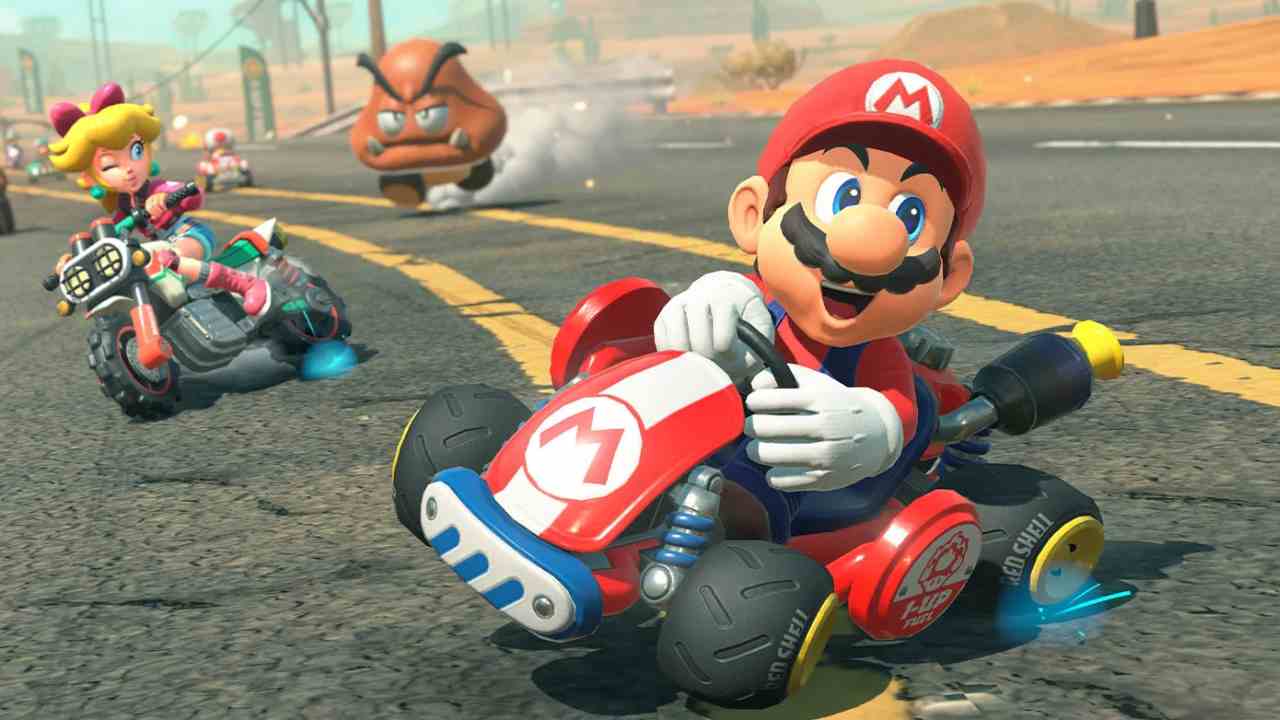
That same year, Atari was also preparing a port of Mario Bros. for its Atari 8-bit computer line.
Unlike the Apple II build, this one was reportedly finished. It was basically identical to the Atari 2600 version of the game, but despite being completed, it never saw release. Mario Bros. would eventually land on Atari’s 8-bit computers in 1988, though by then it had become a completely different port from the scrapped 1984 build.
Atari also had plans for a Commodore 64 version in 1984. Two programmers from Designer Software were working on the project before it too ended up getting cancelled. A Commodore 64 version of Mario Bros. did eventually arrive in 1987, but again, the developers did not finish the same version that they had originally been developing years earlier.
Once you start looking through Nintendo’s history, you realize these cancelled versions weren’t rare exceptions. In many cases, games that released on one platform almost ended up somewhere completely different.
Wario Land is one of the stranger examples.
The game released for Game Boy in 1994, but a Nintendo Power Game Pack directory from late 1993 listed it as an upcoming NES title as well. There is still no confirmation that an NES version truly existed, and it could have simply been a publishing error, but the idea actually makes sense when you look at Nintendo’s release habits at the time. Several games were getting both NES and Game Boy versions around that period.
One example was the original Yoshi puzzle game, known in Japan as Yoshi no Tamago. That game launched on both NES and Game Boy, but apparently, Nintendo also considered bringing it to the SNES. The evidence for that showed up decades later during the massive 2024 Game Freak leak. Buried inside the source code connected to Pokémon Black and White was an unfinished build titled Super Yoshi no Tamago. The build carried a 1995 copyright date, heavily suggesting it was once planned for the Super Nintendo.
The whole situation became even stranger once people realized the unfinished game had later been ported onto Nintendo DS hardware as a way to test multiboot functions for Pokémon Black and White’s engine. On top of that, the build included updated Yoshi sound effects first introduced in Yoshi Story, years later in 1998. That led to speculation that the project may have briefly resurfaced as a DS release at some point before disappearing again.
Even so, you can understand why Nintendo may not have seen much value in continuing the project. Yoshi’s Cookie had already arrived on the SNES shortly after the original Yoshi puzzle game, and Nintendo systems could already play the Game Boy version through accessories later on. From Nintendo’s perspective, the project may have simply felt unnecessary.
Things got even more interesting during the Nintendo 64 era, especially once the infamous N64 Disk Drive entered the picture.
The add-on launched only in Japan and sold poorly, but Nintendo had originally planned several upgraded versions and expansions for it. One of the most talked-about examples was the Super Mario 64 Disk Version. Nintendo originally showed the game publicly during the Shoshinkai trade show to demonstrate what the N64 DD hardware could do. For years, very little was known about the project outside of rumors.
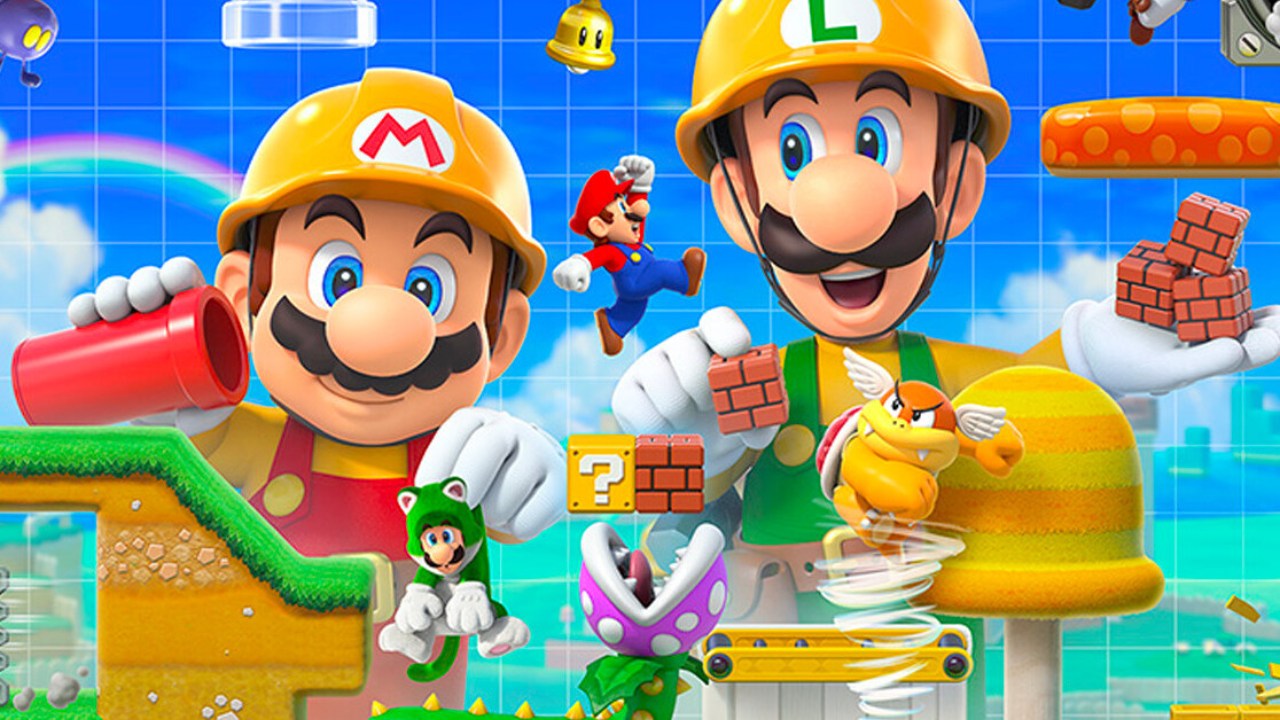
Then in 2006, someone anonymously claimed online to own a copy of the unreleased game. According to those claims, the port featured an entirely new fourth floor filled with difficult extra stages. For a while, people treated the story like another fake internet rumor. But in 2014, a build of the game finally leaked online.
Unfortunately, the reality turned out to be much less exciting. The leaked build mostly featured small changes like an updated title screen and revised audio support. In exchange, the game suffered from long loading times and even crashed in certain areas like Wiggler’s basement inside Tiny-Huge Island. Instead of feeling like a major upgrade, the port actually ended up feeling worse than the original release.
Mario Party and Mario Party 2 were also expected to receive support for the N64 Disk Drive. These versions never materialized due to the add-on’s weak sales, but leftover code inside the games still references disk-related functions and compatibility checks. Error messages tied to loading disks and verifying proper insertion still exist in the original game files.
The plans appeared to revolve around expansion-style content similar to the F-Zero X Expansion Kit, which added extra tracks and features through the Disk Drive hardware. If Nintendo had gone through with it, Mario Party could have received additional boards, minigames, and other add-ons long before DLC became standard.
Paper Mario also started life as an N64 Disk Drive title under the name Super Mario RPG 2.
The project was originally intended to continue the legacy of Super Mario RPG: Legend of the Seven Stars, but legal issues involving Squaresoft forced Nintendo to change direction. The game eventually evolved into Paper Mario for the standard Nintendo 64 without Disk Drive support.
Looking back, the change probably saved the series entirely. Releasing the game exclusively on the failed Disk Drive hardware could have seriously limited its audience and possibly prevented Paper Mario from ever becoming an ongoing franchise.
The GameCube era had its own cancelled ports, too. Super Paper Mario, which eventually launched on Wii in 2007, was originally being developed as a cross-generation title for both Wii and GameCube. The situation was similar to games like Twilight Princess and later Breath of the Wild, where Nintendo released versions across two generations of hardware.
Reports at the time suggested Super Paper Mario was initially designed around traditional GameCube controls before motion features were added.
Very little information about the cancelled GameCube version survives today, but based on other cross-generation releases, it likely would have lacked widescreen support and motion controls altogether. In practice, that may have actually made it the more straightforward version to play.
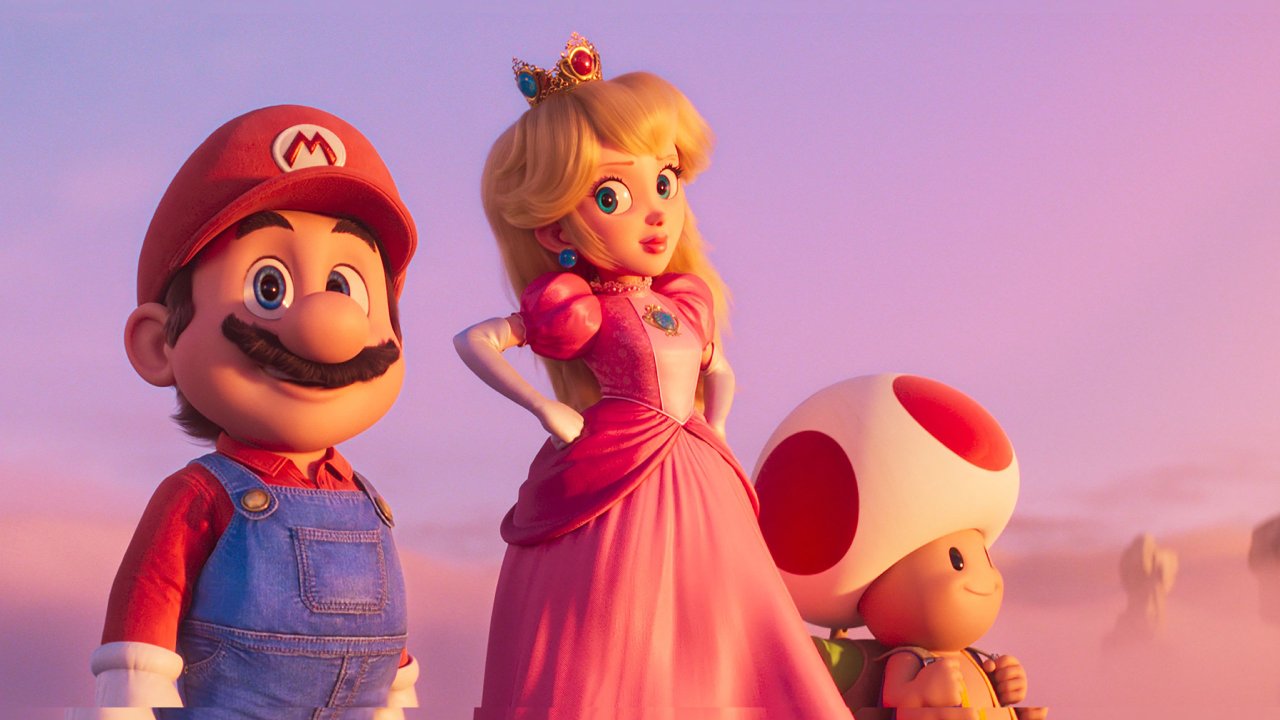
Yoshi Touch & Go may have had the strangest cancelled version of all. The released DS game revolved almost entirely around touchscreen mechanics, requiring players to draw paths and interact directly with the screen. Somehow, Nintendo originally planned a GameCube version before the project split into separate builds.
The GameCube release never happened, but the idea alone is difficult to picture. The original concept still involved drawing mechanics despite relying on a standard controller. Whether that meant analog stick drawing or some other control method was never clarified before the project disappeared completely. Eventually, Nintendo abandoned the GameCube build and focused entirely on the DS version, which obviously suited the gameplay much better.
Years later, Nintendo entered another strange chapter thanks to its partnership with Nvidia in China.
Nvidia Shield devices in the region received HD versions of multiple Wii games, including Super Mario Galaxy, New Super Mario Bros. Wii, and The Legend of Zelda: Twilight Princess. In some cases, those Shield releases became the only official HD versions those games ever received.
Mario Kart Wii was supposed to join them. An HD Nvidia Shield version of the game was reportedly finished and even playable publicly during ChinaJoy 2018 through a time trial event. The port also included online functionality despite Nintendo shutting down the original Wii servers years earlier.
Even though the game was completed, it never officially released. That makes it the only finished Wii-to-Shield conversion that remained locked away. The situation became even more frustrating once Nvidia’s Wii ports were eventually delisted and rendered inaccessible in 2022.
One smaller cancelled release involved Yoshi’s Cookie heading to the Wii U Virtual Console, though very little attention was ever placed on that project.
More recently, Nintendo revealed that Mario Kart World was originally planned as a Nintendo Switch 1 game before moving entirely to Switch 2 hardware. According to Nintendo’s own developer interviews, development began shortly after Mario Kart 8 Deluxe launched. But as work continued, the team struggled to maintain stable performance on the original Switch hardware.
Program director Kenta Sato explained that the developers wanted the game running at 60 frames per second without sacrificing their ideas or scaling back the project too heavily. Eventually, the team decided to abandon the original Switch version entirely and focus on Switch 2 instead.
Donkey Kong Bananza followed a similar path.
The game initially started development for Switch 1 shortly after Super Mario Odyssey released, but Nintendo later shifted the project to Switch 2 hardware. Screenshots shared through Nintendo’s developer materials revealed major visual differences between the two versions. The original Switch build featured less foliage, fewer objects, weaker lighting, and overall lower visual density.
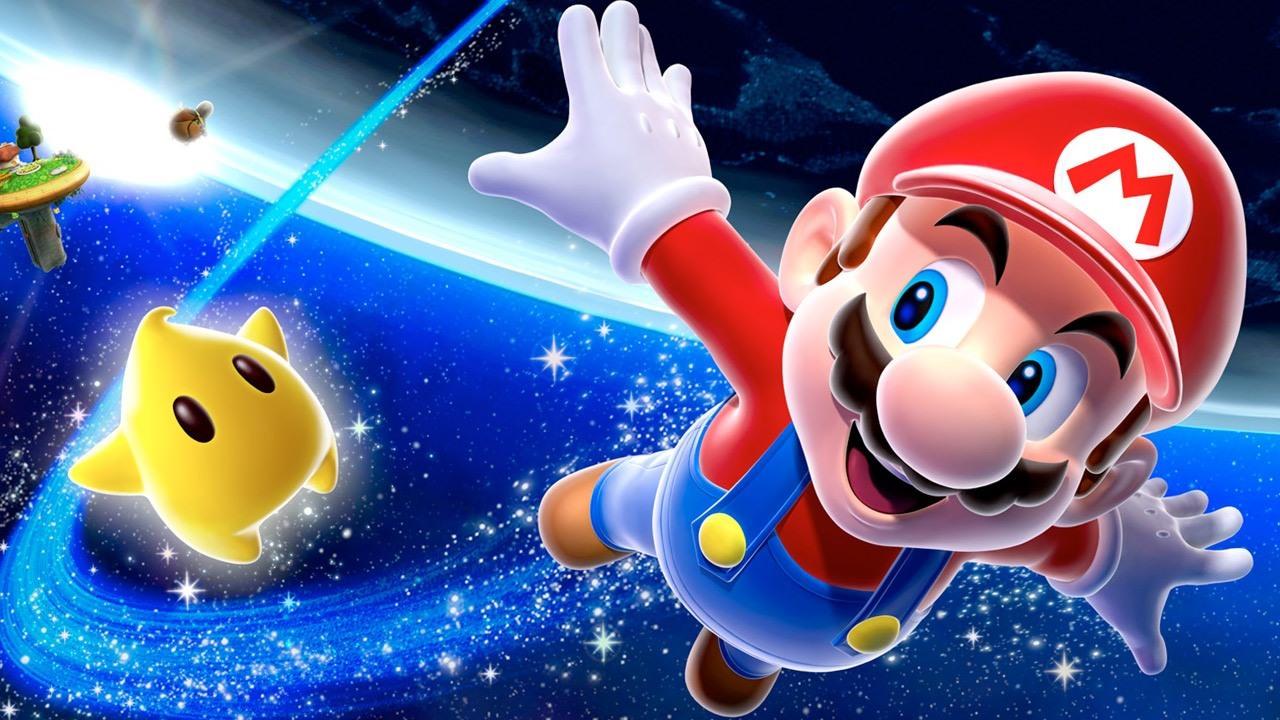
Even after moving to Switch 2, the game still reportedly struggles with performance in some situations despite targeting 60 FPS. Early screenshots also revealed different user interface layouts, including alternate placements for the Bonanza power gauge and visible prompts tied to Pauline’s singing ability.
Looking across all of these projects, you end up seeing an alternate version of Nintendo history filled with hardware shifts, cancelled experiments, leaked builds, and games that nearly looked completely different from the versions you actually got. Some of these projects clearly would not have worked, while others feel like genuine missed opportunities that disappeared at the last minute.
Senior Editor, NoobFeed
Latest Articles
No Data.