
Code Violet Preview
A dino-driven sci-fi thriller that bets big on atmosphere and tension.
Games by Zahra Morshed on Dec 18, 2025
Code Violet is an ambitious third-person action horror game from TeamKill Media, a company that was previously known for trying out new ways to make games more cinematic. This release marks a big change in tone; it goes from being an abstract show to a more traditional survival horror format.
Code Violet is not a sequel, but it definitely has roots in other works that prioritize tension, limited resources, and storytelling through the environment over having too much power. The game is a focused single-player experience that is intended for modern gaming systems.
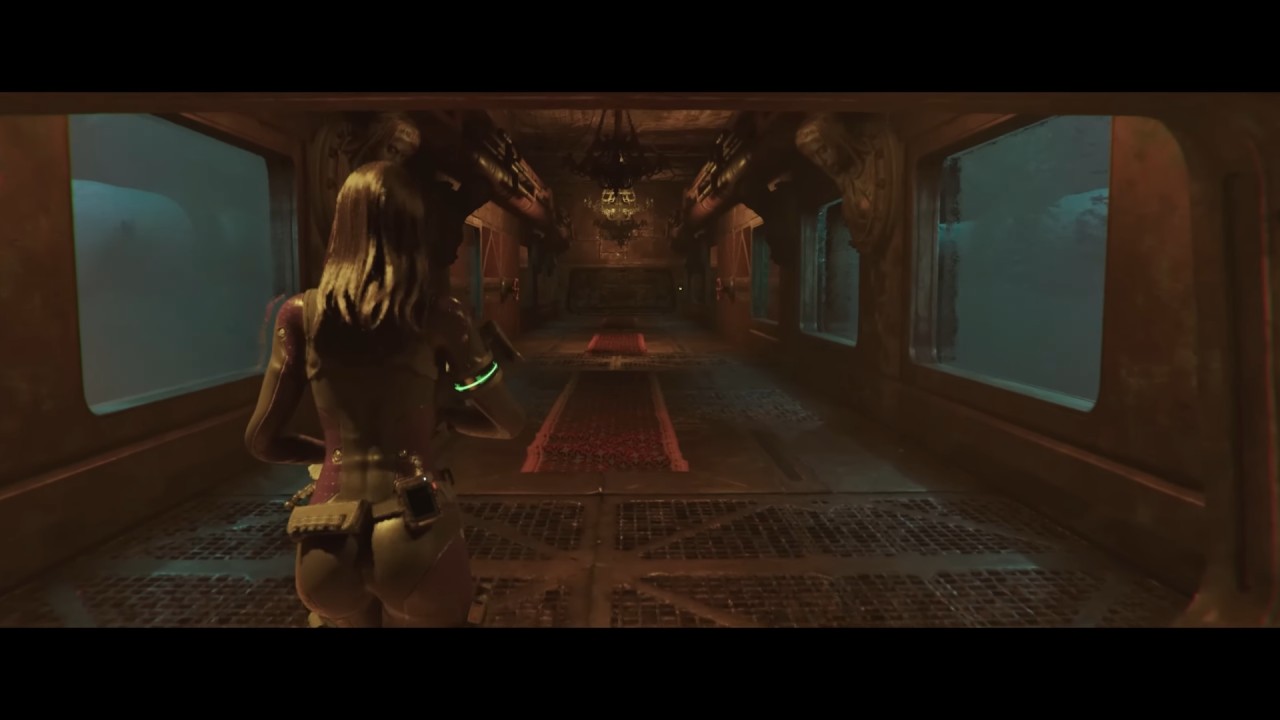
Code Violet was made for PlayStation 5 with the goal of making players feel like they are really a part of the game. This shows that the studio behind it is still trying to figure out who they are after getting mixed reviews on their earlier games.
TeamKill Media has decided to focus on fewer things but make them more thematically important. They are creating a horror experience based on vulnerability instead of control. Code Violet enters a crowded field with confidence, but there is a clear risk involved.
The complexity requires careful attention.
Code Violet takes place in the 25th century and builds a dark science fiction world based on desperation instead of conquering. Earth is no longer a safe place to live, so what is left of humanity has gone to Trappist-1E, where a catastrophic loss of fertility is threatening extinction.
In answer, the Aion colony builds time-travel technology to kidnap women from history as surrogates who don't want to be surrogates. Code Violet sees this act not as a saving thing, but as a breakdown of morality.
The story follows Violet Sinclair, a woman who has been moved from her time period and woke up in the Aion Bioengineering Complex. Things quickly go from confusion to fear when people have to leave, and systems meant to contain the problem fail.
Code Instead of cutscenes that give a lot of background information, Violet tells its story using outdoor details, sound effects, and bits of conversation. A shadowy Director figure creates psychological stress without making things clear right away.
Dinosaurs are enemies in both a literal and a figurative sense; they reflect how humans have lost control over the things they make. Code Violet doesn't make surviving look cool, but instead shows it as a series of compromises and losses. Even though the idea is interesting, it will only work if it is delivered and paced well. The story's ambition is clear, though it sometimes risks taking over the feeling that makes it real.
Code Violet is based on an old survival horror loop that focuses on resource management, travel, and making choices when you are under a lot of stress. As players look for weapons, tools, and information, they guide Violet through cramped labs, study zones with lots of plants, and brightly lit hallways. The movement is slow and purposeful, telling people to be careful instead of angry.

In Code Violet, paying attention is more important than having quick reactions.
Inventory management is very important because there are only a few slots, which means that responsibilities have to be constantly evaluated. Healing items, weapons, and puzzle tools all fight for room, which makes planning a part of the game’s strategy. Code Violet leans into scarcity as a design point, which is similar to how people thought about classic survival horror. Each thing that is carried stands for safety and loss at the same time.
You can make progress by opening up new areas, getting past obstacles in the environment, and facing threats that get worse over time. Rather than open-world sprawl, Code Violet chooses places that are connected and loop back on themselves. This framework keeps the story's tension and narrative focus. The pacing is better because of this limitation, but repeating things may happen during longer rounds.
In Code Violet, combat mixes close and far range attacks, but doesn't support fighting for a long time. Dinosaurs are meant to be dangerous and unexpected, and to use up a lot of resources. Ammunition is scarce, and stealth is often better than force. Code Violet does not see combat as a power fantasy, but instead sees it as a last option.
As part of the environmental tasks in the game, players have to send power to different places, use machines, or figure out how mechanical systems work. These tasks are meant to slow down momentum, which gives players time to breathe between high-stakes situations. Instead of being separate challenges, Code Violet uses puzzles as a part of the story. Solving them gives you a stronger sense of place and purpose.
You can meet enemies in many different ways, from surprise attacks to long-term stalking. Before fighting starts, Code Violet uses sound cues and spatial design to scare players. While the processes are known, they only work well in certain situations and at certain times. The balance between action and inaction is carefully set, but not always fairly.
Code Violet's battle design makes vulnerability clear as its most important feature. Encounters feel risky because they are expensive, not because they are hard to understand. This fits in well with the game's ideas of survival and desperation. Code Violet works when it makes people stay away instead of fighting.
But some of the fighting movements look stiff, which can sometimes pull you out of the experience during important moments. If enemies don't move in a way that makes sense, it can feel like the game is missing some of its drama. Code Violet has moments of great success, but also shows signs of technical strain because it is trying to do too much.

Optimising might make these problems better.
In general, puzzle design is better because it offers a range of options without being too hard. A lot of the time, making sense of the environment is easy, which makes things less annoying. In Code Violet, puzzles are better when they fit into the flow instead of breaking it. When they are successful, they make things better instead of bringing progress to a halt.
Code Violet intentionally stays away from skill trees and experience points that are common in games. Progression isn't about growing numbers; it's about survival, story progress, and getting new equipment. This choice makes things more realistic and tense. Better players learn about the game instead of just focusing on character stats.
You get weapons and tools by exploring instead of grinding, which keeps the pace focused on the story. Code Violet fights the urge to add extra time to the runtime with things that have already been done. This method helps immersion, but makes it harder to use a lot of different machines in the long run. Some players might miss the feeling of getting stronger little by little.
Without XP systems, decision-making from one moment to the next is the main thing that people pay attention to. No growth changes how important each encounter is. Code Violet sticks to its principles, even if it makes itself less appealing to people. The design puts unity above ease of entry.
Code Violet uses Unreal Engine technology to create amazing lighting and detail in the world. Ray-traced reflections and moving shadows make the space feel thick and heavy. Jungles, labs, and the insides of factories all feel different, but they are all connected by decay. Code Violet is great at changing the mood in the surroundings.
The character models are pretty detailed, but the face movement can look stiff in emotional scenes. Lighting does a lot of work to make up for it, often hiding flaws with shade and contrast. Code even when there are problems because of limited technology, Violet knows how to lead the viewer's eye.
Different types of settings help keep the ad visually interesting. The big difference between neon-lit hallways and natural plant growth makes the theme of order versus disorder even clearer. Code Violet's visual language does a good job of helping it tell the story it wants to tell.
Code Violet's sound design, especially its use of spatial music, makes it stand out. The dinosaur sounds, footsteps, and echoes make for a constant sense of dread. Directional cues are very important for life, which makes immersion stronger.
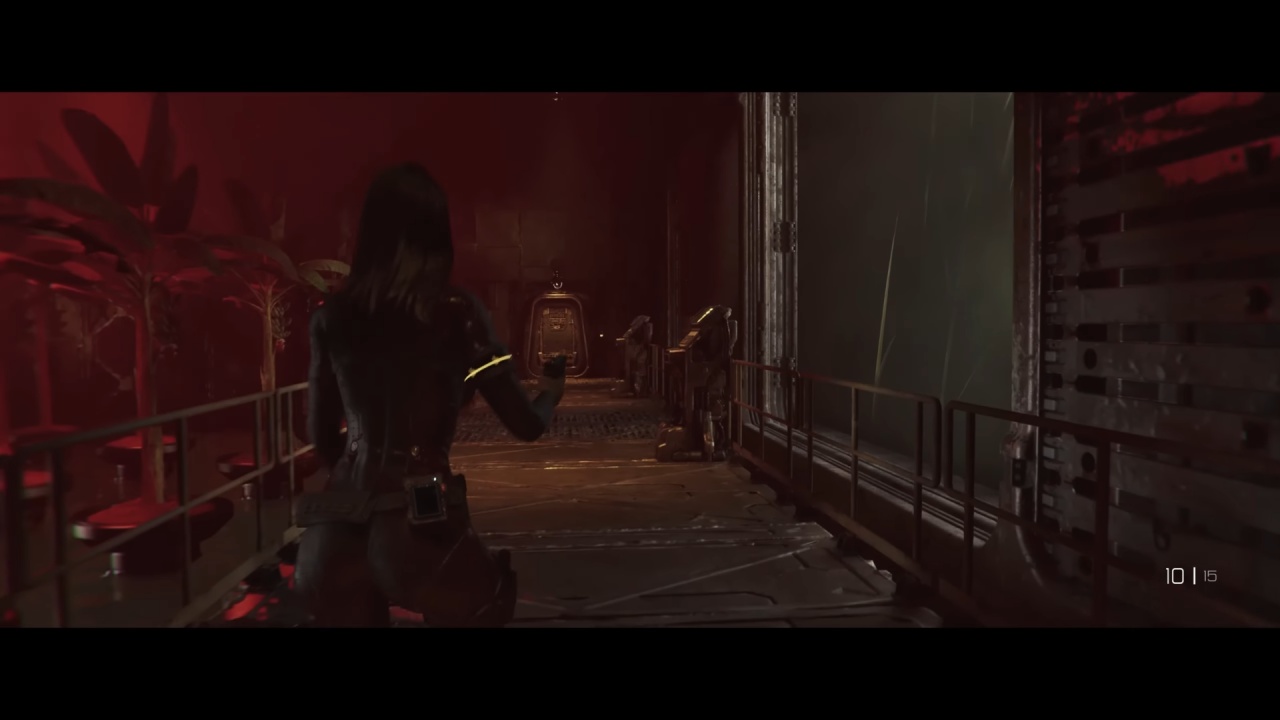
Sound is used for both warning and attack in Code Violet.
Music is used very little, so that background noise can take over. When scores do go up, they make the game more tense without overpowering it. Adaptive audio changes based on what the person does, which keeps them interested. Code Violet's soundscape gains from being quiet.
Haptic feedback and adaptive triggers make things even more physical, turning fear into a tactile feeling. Weapon recoil, environmental resistance, and impact input make the experience more immersive. Instead of using console features as tricks, Code Violet thinks carefully about how to use them.
Code Violet is an ambitious survival horror game that combines elements of science fiction, moral horror, and prehistoric threat. It has a great mood, is consistent with its themes, and knows how to hold back. The game doesn't try to create over-the-top moments just because they look good. Rather, Code Violet chooses to deal with pain and uncertainty.
Sometimes, the technical roughness and animation problems make players less immersed in the game, which reminds them of how small the company is. But these problems don't change what the project was meant to do or its possible future. Code Violet does not feel like a safe exit; it feels like a planned risk.
Code Violet delivers a tense, atmospheric survival horror experience powered by strong audio design and moral intrigue. While technical polish may vary, its commitment to vulnerability, scarcity, and focused storytelling makes it a promising outing.
Contributor, NoobFeed
Latest Articles
No Data.