
Crimson Desert is Trying Hard to Evolve Beyond Traditional RPG Lifecycle
Pearl Abyss is developing an open world that will keep expanding and evolving years after its first release date, rather than ending up like most games which go into maintenance mode after their release.
Opinion by Adeela Tas on May 16, 2026
The idea behind Crimson Desert has become a topic of discussion quite distinct from how one normally talks about ordinary RPGs, particularly as 2026 draws near. On average, the standard life cycle of an open-world RPG game includes the time between release and patches, followed by two expansions and, finally, maintenance. The future of Crimson Desert differs greatly from what is expected for RPG titles.
It becomes clear that, unlike most games, this one is being developed in a manner similar to a growing platform. Looking at how Pearl Abyss is developing the game, it's clear its developers are more focused on evolving its systems than just supporting it after launch. Instead of making separate updates, it seems like Pearl Abyss has decided to build a framework through which any major systems in Crimson Desert can evolve independently.
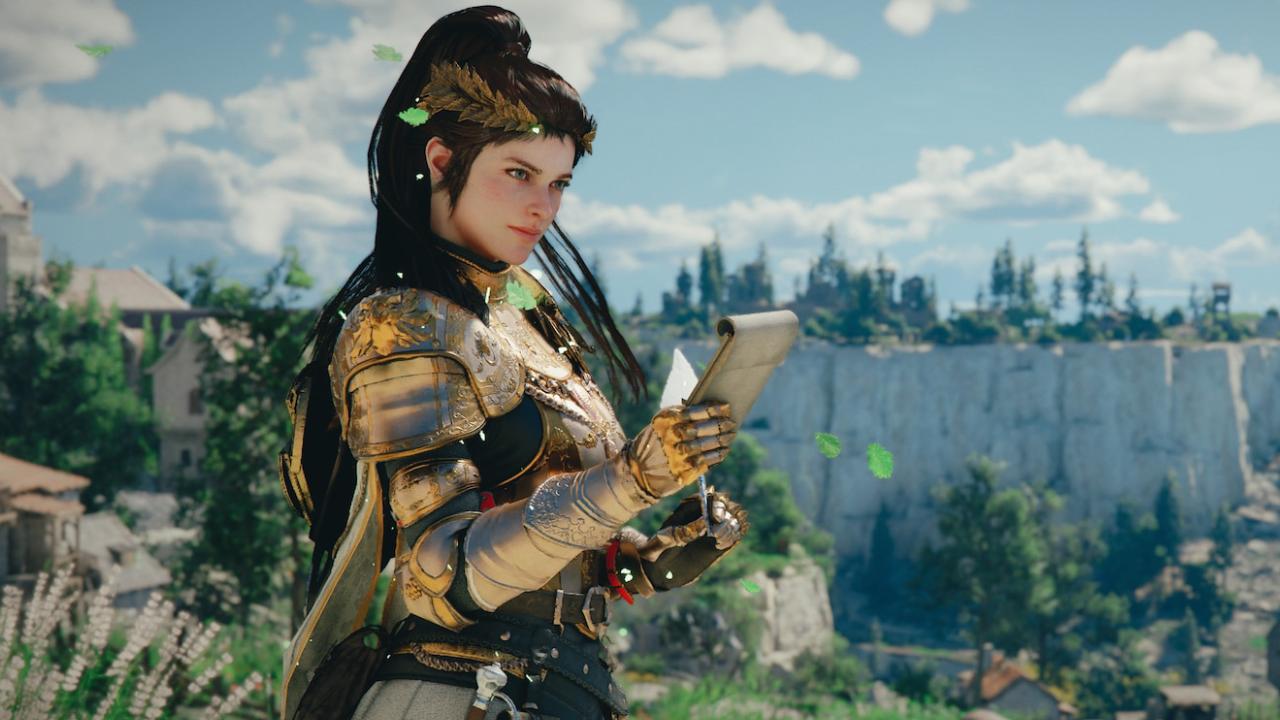
That idea is becoming one of the biggest reasons people keep returning to Crimson Desert discussions.
This is no longer just about the base game. This is about where the game could potentially take off in the coming years. Pearl Abyss is known for its big-scale operations, and the studio does not seem to be planning to let up on this game upon release, either. The apparent strategy is the long-term development of Crimson Desert, with additions and changes over the course of play.
On top of all that, the studio is also developing other large games, making the scale of its ambition even more obvious. The thing that really stands out in the game is the integration of all its systems. Combat is not just about balancing changes. On the contrary, the system is expanding with features such as repeatable bosses, customizable difficulty levels, and battles that go beyond a one-off occurrence in the plotline.
At the same time, exploration gains a new sense because you will need to go back to locations that have already been seen earlier due to shifting circumstances in the game world. Progression systems are expanding past the scope of classic end-game progression to ensure continued relevance even after you complete the primary experience.
What is crucial in this regard is that none of the above-mentioned features operate in a vacuum. Rather, territorial mechanics, enemy interactions, mount capabilities, companions, crafting, traversal, and other features appear to work together in such a way that new mechanics can easily be added to the existing system.
Instead of locking the game into one finished form, the design leaves space for ongoing additions and systemic changes.
All these elements are designed to be modified or improved over time. In contrast to a game that simply launches and is considered complete, the game in question will continue to evolve without losing its identity. The other major difference is how future content updates for the game will be handled.
The typical model for DLC in single-player games is to provide separate stories and expansions that run parallel to the main game. This appears to be a trend Crimson Desert might break in the future. This implies that patches can significantly affect gameplay mechanics such as battles, exploration, and player progression on a global scale instead of simply delivering isolated content additions.
The old maps would still matter, since the ecosystems they contain continue to evolve and mutate rather than become irrelevant as gamers progress. If we assume that Pearl Abyss will continue with the same approach until 2026, then there is a good chance that Crimson Desert will be among those RPGs with sustained relevance.
.jpg)
Part of what makes this approach so interesting is how uncommon it still is in the single-player market.
The majority of developers refrain from systematic expansion as it makes it difficult to distinguish between a polished product and a live service game. Crimson Desert appears prepared to strike a balance by increasing the shelf life of a big RPG by developing dynamic game mechanics while not entirely losing its single-player essence. This shift in sentiment regarding the title is now evident.
Previously, the discussion was primarily based on comparisons with other RPGs and expectations for the title's launch schedule. Currently, however, the emphasis is placed on the game's future prospects. It is possible to provide sufficient flexibility in terms of combat mechanics to adapt to new foes and encounters.
It seems like the environment itself can adjust to new dynamics. The progression can expand its scope both horizontally and vertically without completely disrupting balance, and the traversal system allows for greater movement and environmental challenges in the future.
This potential stems from the game's flexibility. Rather than developing one aspect or adding new expansions, Crimson Desert seems like it can develop along several axes simultaneously without having to scrap the whole thing from scratch. For example, the game could add new mission lines, larger stories, bosses, faction dynamics, and even some multiplayer mechanics within the existing framework.
That is also why expectations for the game continue to rise and do not stabilize after each unveiling. Normally, games reach their height of discussion just before their launch and then slowly become less popular. But this is not the case with Crimson Desert.
Every major update or gameplay reveal creates the impression that the experience itself may continue changing over time.
This leads to an interesting cycle of engagement that most role-playing games lack. Of course, there remains uncertainty about just how far such a method can take them. Expanding a single-player game poses some dangers; after all, when systems pile up over a few years, cohesion can become hard to maintain if not kept in check.
Yet, it is the destination, not the assurance of it, which carries more weight. The game no longer seemed sustainable, so it was discontinued. Rather, it is one that has the potential to grow as long as players stay actively engaged in the game's universe.
.jpg)
This is especially true considering how well the current framework might accommodate additional expansions for the game. Indeed, it is possible that the framework already has sufficient capacity to accommodate considerably larger content.
Faction plot lines in their entirety could alter the way different areas respond to player activity in the future.
Large-scale war systems could be developed dynamically rather than pre-programmed. Eventually, progress would be made to entirely new levels that affect gameplay mechanics. This approach resembles how long-running online ecosystems evolve, but applied to a premium single-player RPG.
A year down the line, and upon returning to play, it may not only involve seeking out additional quests and optional content, but also entering a new type of gameplay altogether due to the systems’ development over time. This is also related to the constant talk about multiplayer-related mechanics in the game. Even though the game will not entirely transition to multiplayer, its systems are designed to facilitate greater online interactivity in single-player mode.
Rather than perpetually rebooting their development process through their next game, it seems that Pearl Abyss is more intent on expanding the life span of their game world through continued development on top of it. If they succeed in this, Crimson Desert will likely turn out to be one of the few contemporary RPGs whose importance isn’t defined purely by how good its first installment was.
Editor, NoobFeed
Latest Articles
No Data.