
Death Howl Guide | How to Defeat Enemies
Here’s a guide on how to defeat enemies in Death Howl.
Game Guide by Ragib Rawnak on Dec 22, 2025
It's essential to know about enemy mechanics and status effects in Howl. Each encounter challenges your ability to control your position, timing, and damage over multiple turns.
How Poison Works
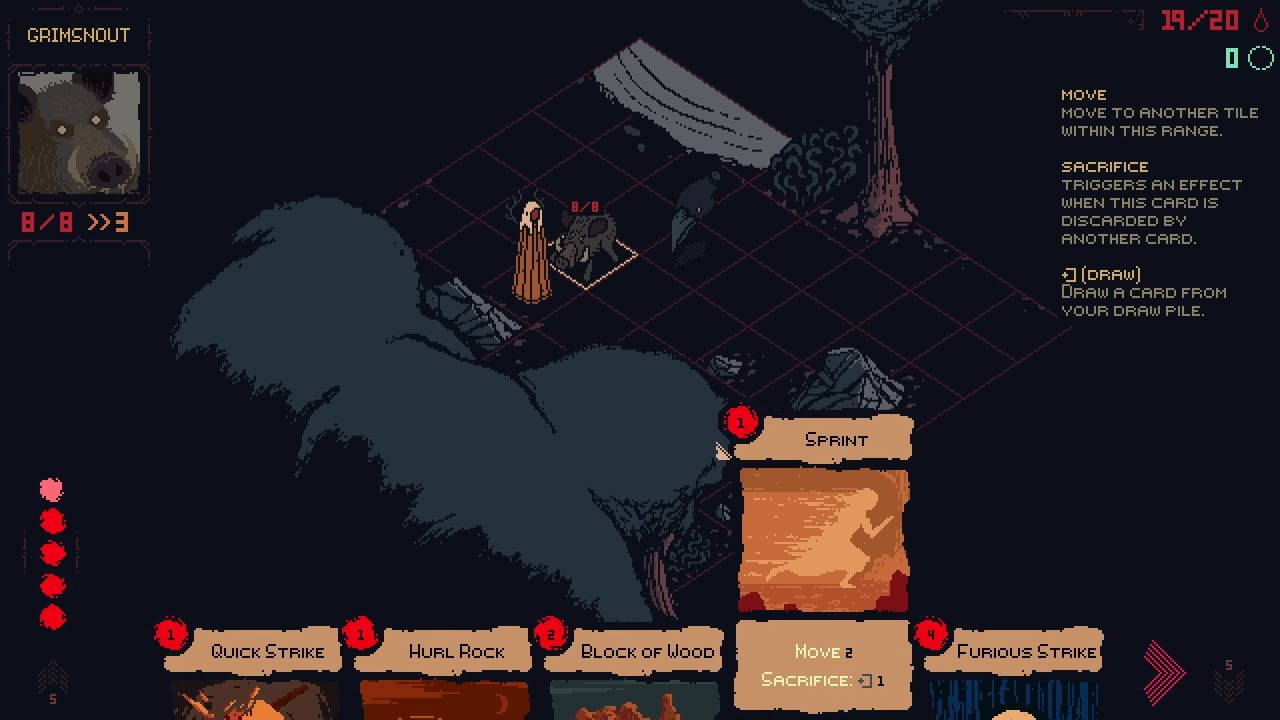
Poison is a status effect that stacks. Each stack directly adds to the damage you take at the start of your turn. After the blow, the poison stack count goes down by one. If enemies apply poison again before the stacks expire, the total damage increases.
If you gain six stacks of poison, you take six damage immediately. On the following turn, you take five damage. Additional poison applications raise the stack count again, increasing the damage you receive each round.
The first poison-focused enemies you encounter are usually a Spider or a Snail in Death Howl.
Facing Spider
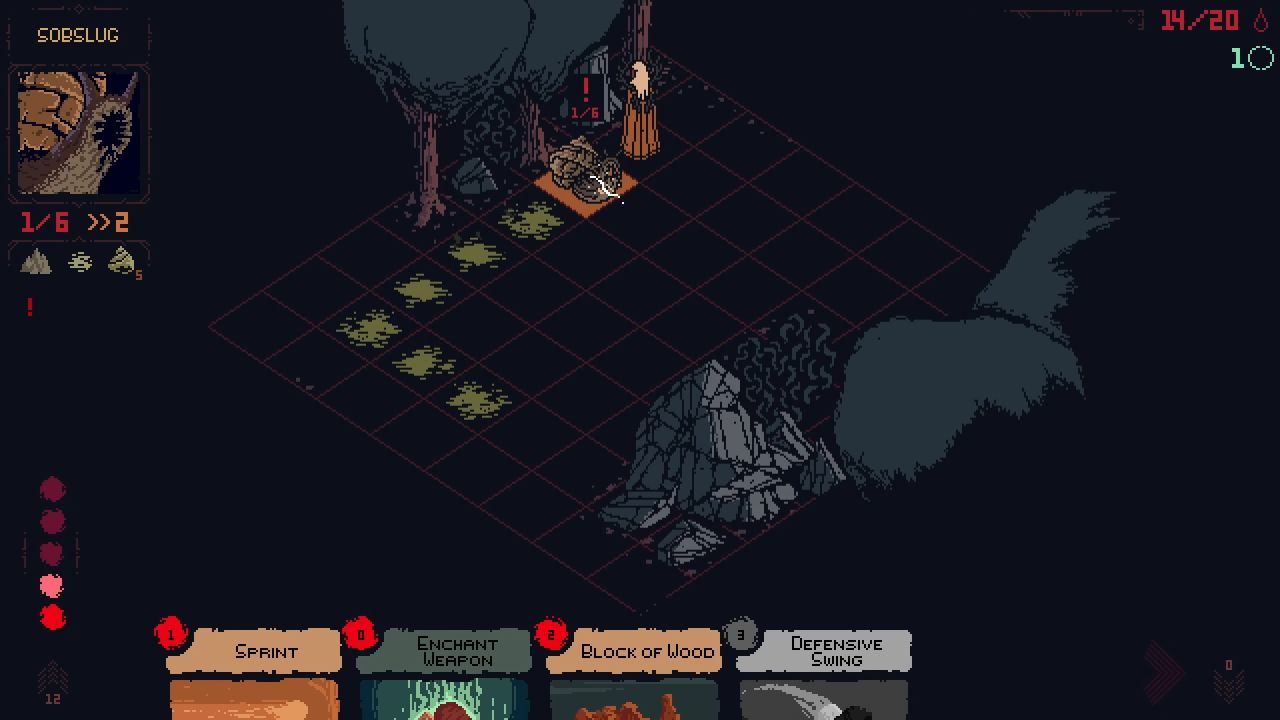
Before they die, Crawling Terrors can take seven damage, and they can move four places. They can jump over obstacles and other units, so the ground can't stop them from getting to you. In their attacks, they use poison and generally give three stacks per hit. When more than one Spider hits you in a turn, poison stacks build up quickly, which means you take more damage over several turns.
Facing Snail
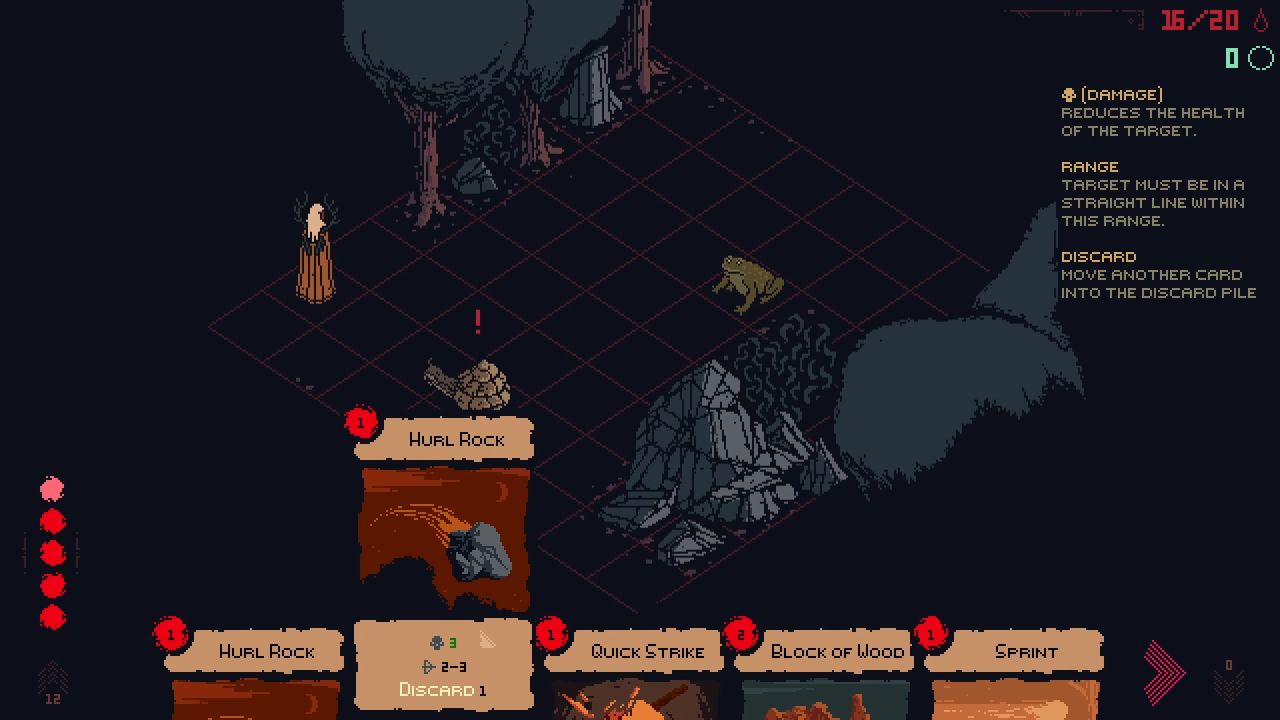
The Snail moves slowly but leaves a poisonous trail on the ground. Standing in these trails applies poison stacks. Their direct attacks also apply poison, so avoiding both contact and trail placement is essential in Death Howl.
After you hit a Snail, it gains five blocks and retreats into its shell. This Block remains until the end of your turn, preventing further damage. You can fight this by using cards like Mosquito Bite, which goes around armor, or by hitting once and then moving out of range until the Block runs out.
Retaliating Enemies
In the Meadows of Delusion, you encounter Jackfish or Pike Heads. These enemies move two tiles per turn and use retaliation mechanics.
When you attack a Pike, it immediately responds. It counters when you hit it with a meleeattack. Ranged attacks trigger a dash through your position, dealing damage as it passes. In many cases, this response causes you to take more damage than you deal.
If the Pike has no space to dash through you, it cannot retaliate. After dashing, its rear faces you, and attacks from behind deal increased damage. This behavior is shown clearly during combat in Death Howl.
One method is to gain Block, attack from range to trigger the retaliation, then move behind the Pike and attack from the rear. Another approach is to stay close to the map edge, so it can't move as much or counter effectively.
Retaliation Awareness
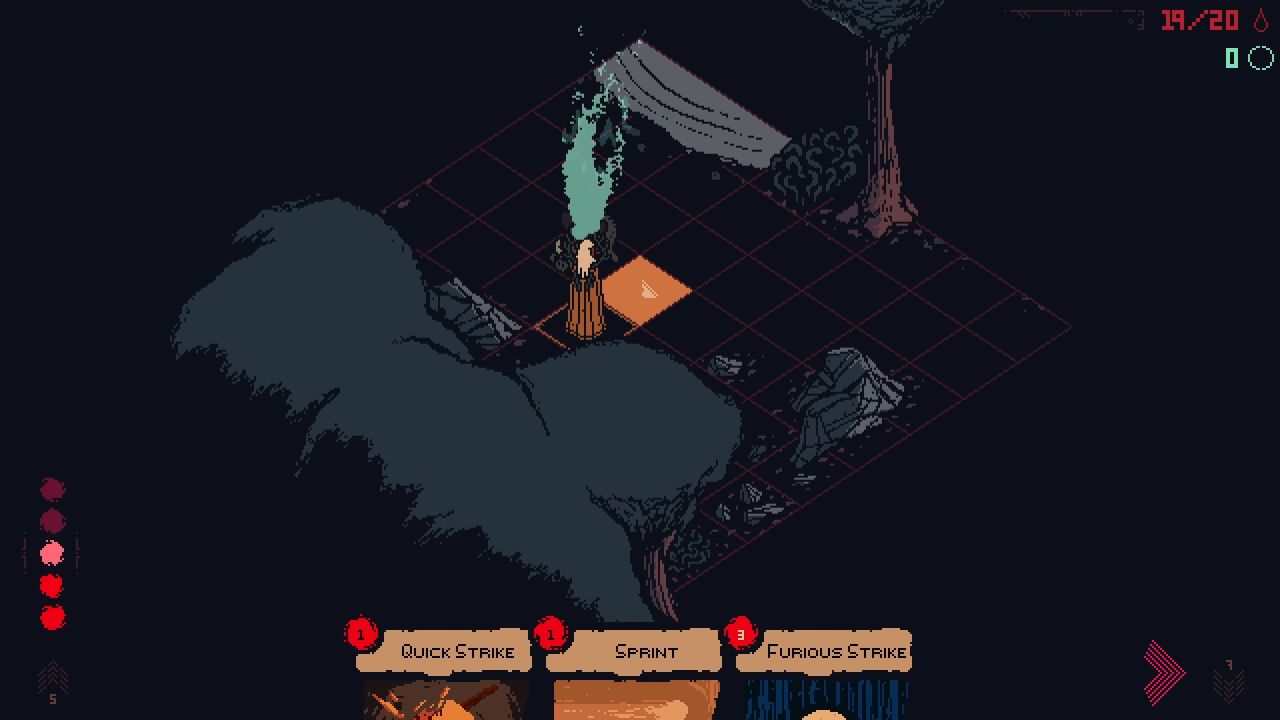
Other enemies also use retaliation effects. You must account for enemy responses before attacking. Positioning and spacing determine whether you take damage after your own actions. Ignoring the retaliation mechanics causes repeated health loss during encounters in Death Howl.
Also, check our Death Howl Review and other guides below:
- Death Howl Guide | How to get Buff and Debuff
- Death Howl Beginner’s Guide | Gameplay Tips & Tricks
- Death Howl Guide | How to Use Totems and Escape Cards
- Death Howl Guide | How to Advance the Progress Tree
- Death Howl Guide | How to Heal and Spawn Efficiently
- Death Howl Guide | How to Build a Deck
- Death Howl Guide | How to Place Each Card
- Death Howl Guide | How to Use Flygge
- Death Howl Guide | How to Craft the Best Cards
- Death Howl Guide | How to Navigate the Map
- Death Howl Guide | How to Defeat Elder Spirits
- Death Howl Guide | How to Use Cards Effectively
- Death Howl Guide | How to Defeat Goats
- Death Howl Guide | How to Master Defense
- Death Howl Guide | How Each Stats Work
- Death Howl Guide | How to Master Combat and Positioning
Senior Editor, NoobFeed
Latest Articles
No Data.