
Game Pass, PS Plus, or Ubisoft+? Gamers Are Tired of Subscriptions
Sponsored by Tess Meijer on Oct 30, 2025
The golden promise of game subscriptions was simple: pay once, play everything. When Xbox Game Pass appeared, it felt revolutionary: unlimited access, constant updates, and no reason to ever buy another disc. Sony and Ubisoft followed, turning the model into an attention arms race. But in 2025, the shine has worn off. What began as freedom has become fatigue.
Gamers are paying more than ever for less than ever, and they're starting to notice.
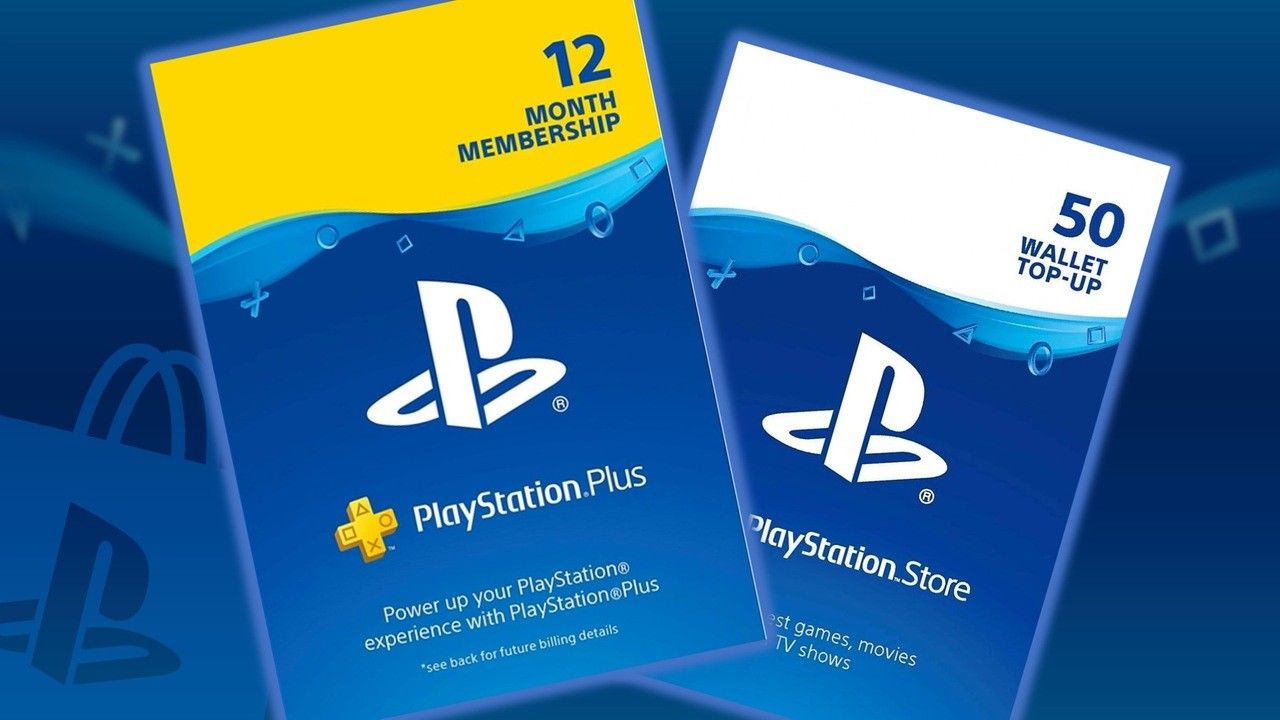
The Year Subscriptions Stopped Feeling Like a Deal
By 2025, subscription fatigue had fully set in. What began as an easy way to explore games turned into another monthly routine of renewals and removals. Many players started drifting toward platforms that offered more stability, places where access wasn't tied to a timer.
Many went back to Steam or Epic, where purchased games stayed put. Others turned to entirely free platforms that asked for time, not money.
The Dream That Started It All
Xbox Game Pass didn't just change how people played games; it changed how they thought about gaming itself. Instead of paying $70 for one blockbuster, players could jump between a hundred different titles in a single afternoon.
Sony's new PS Plus tiers followed quickly, promising a "Netflix of gaming" built around exclusives. Ubisoft+ joined late, but leaned on nostalgia, filling its library with Assassin's Creed, Far Cry, and Tom Clancy classics.
For a while, it worked. Game Pass looked unstoppable and was praised as the best deal in gaming. PS Plus added flexibility with multiple membership levels.
Ubisoft+ gave access to expensive editions without extra cost. Subscriptions became the default, not the alternative. Gamers felt like they'd hacked the system, until the system started hacking back.
When the Cracks Started Showing
Fast forward to now, and the mood has changed. Prices are up. Libraries rotate faster. Games vanish with little warning. A single subscription no longer covers enough ground, so players stack two or three just to keep up. Suddenly, that cheap monthly fee looks a lot less friendly when you multiply it by twelve.
Xbox quietly raised the cost of Game Pass Ultimate. Sony increased PS Plus Premium by over 30% in some regions. Ubisoft+ costs as much as a mid-tier service but offers a smaller catalog. It's not just about money; it's about trust. Players never know what will disappear next or whether that "exclusive" will even stay exclusive.
The result? Confusion. Frustration. Burnout. Gamers are canceling subs not because they can't afford them, but because they're tired of feeling played.

The Psychology of Fatigue
Subscription burnout is as much psychological as it is financial. Players are tired of renting digital space instead of owning what they love.
There's no sense of permanence, no satisfaction of building a personal library. It's the same exhaustion that hit TV streaming: too many options, too little time, and a creeping sense of being trapped in a loop.
Gamers crave connection and consistency. When their favorite titles vanish overnight, that connection breaks. The feeling of discovery fades, replaced by cautious browsing. Logging in becomes less exciting and more like checking expiration dates.
A Market Searching for Its Reset Button
Developers and publishers are noticing the backlash. Some indie studios are moving back to one-time purchases, emphasizing "buy it once, keep it forever."
PC storefronts like Steam, GOG, and Xbox are seeing renewed loyalty because players trust ownership. Even major publishers are reconsidering exclusivity deals after seeing community frustration.
The next evolution of subscriptions will need to be smarter, not bigger. Bundled passes, permanent rewards, or hybrid models, where players can keep one game per month, could bring balance back. Until then, every price hike and game removal pushes more players away from the model that once defined gaming's future.
The Bottom Line
The subscription boom gave gamers incredible value, but at the cost of stability. The "play everything" dream has turned into a carousel of limited access and creeping bills. People don't want dozens of tiers or temporary catalogs. They want control. They want ownership. They want transparency.
The industry's biggest challenge in 2025 isn't competition; it's exhaustion. Until Game Pass, PS Plus, and Ubisoft+ start listening instead of expanding, the most-used feature in gaming subscriptions might just be the "cancel" button.
Moderator, NoobFeed
Latest Articles
No Data.