
Sony's PlayStation Profits Rise as PS5 Sales Decline
Sony's latest financial results show profits are growing despite fewer PS5 shipments, raising questions about its reliance on digital sales, third-party games and expensive exclusives.
News by Mahi Araf on Nov 09, 2026
Sony's latest financial results paint a rosy picture for PlayStation, with gaming revenue up 9% and operating income up 83%. But dig under the headline figures and the picture is more complex. Sony is still making big profits, but it is still facing the same issues with PS5 hardware shipments, development costs, and its growing dependence on subscriptions, digital transactions, and third-party games.
Sony's gaming division reported roughly 1.2 trillion yen in revenue for the quarter, with operating income of about 220 billion yen. Despite the impressive 83% increase, there's a crucial detail behind that number. In the same quarter last year, Sony booked one-time losses of about 49.8 billion yen on Bungie and write-downs of previously capitalized development costs.
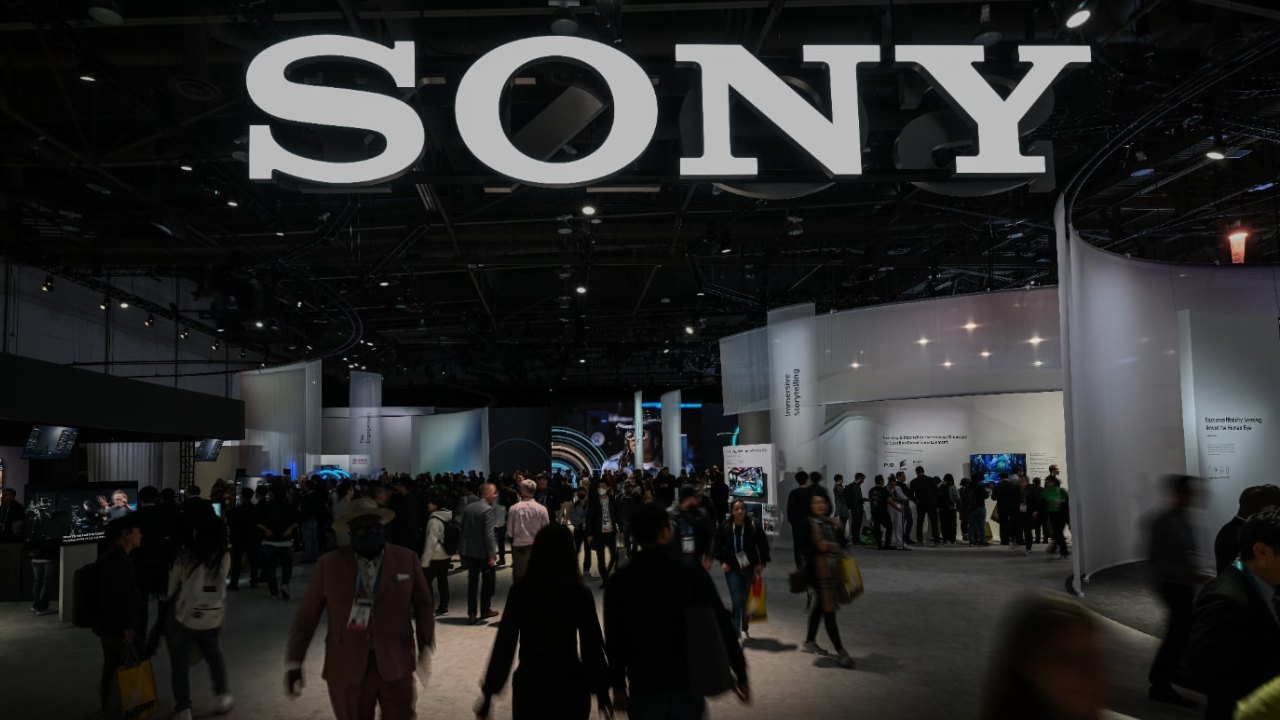
Those losses materially affected the previous year's results, so this year's growth looks much better. Excluding those one-time losses, Sony said operating income was up about 29%. That's still a healthy increase, but it's a truer picture of the company's financial progress. Sony isn't shying away from these changes, but praising the 83% number without context misses important detail.
Another interesting detail is the drop in PS5 shipments.
Sony sold roughly 2.6 million consoles in the quarter, versus roughly 4 million in the same period last year. That's not necessarily surprising, given that the PS5 is close to 100 million units shipped worldwide and hardware sales tend to taper off as a console generation ages.
But although it sells fewer consoles, Sony is still raking in more money from its gaming division. In September, the company said it had 127 million monthly PlayStation Network accounts, a massive audience that continues to buy games, downloadable content and subscriptions.
This also points to an important difference between customer spending and customer satisfaction. Millions of players already own PS5 consoles, have bought games and built up digital libraries. They won't abandon the ecosystem just because they don't like some corporate decisions. The bigger challenge comes when Sony asks those same customers to spend hundreds of dollars on another console, namely the PlayStation 6.
Another factor is development costs, particularly for Marvel's Wolverine. Sony said the game has sold more than 2.4 million copies since its September release and was one reason for its upbeat quarterly earnings. But its development budget has been reported at around $300 million.
There isn't enough publicly available financial information to tell us whether the game proved profitable in the end.
Still, its reported budget highlights a growing concern in the Western gaming industry. Major publishers spend hundreds of millions of dollars to develop each title, making it harder to justify those investments even when games sell millions of copies.
Not all successful games need a Hollywood-sized production budget. It doesn't take hundreds of millions of dollars to make a game with good ideas, good developers, and interesting gameplay to give unforgettable experiences.
Sony must ask itself whether its current approach to first-party development is economically viable in the long run.
Meanwhile, network services and third-party software sales are making up more of PlayStation's business. Sony doesn't have to make games like Fortnite, Call of Duty, or NBA 2K to make money off them. Sony makes money on games and additional content purchased through the PlayStation Store.
It's a very attractive business model to make revenue from other publishers' products, rather than spending five or six years making an expensive exclusive. But relying too much on this approach could eventually change what makes PlayStation different from rival platforms.
PlayStation has built its identity on exclusive games like Metal Gear Solid, God of War, The Last of Us, and Marvel's Spider-Man. These games gave gamers a compelling reason to buy Sony hardware. They're not just worth the money; they define a platform and the customers that come with it.
Physical games still have a place, even as the industry moves to digital distribution. Physical game sales revenue was up about 22% year on year, Sony said, with digital downloads accounting for 78% of full game software unit sales for the quarter.
Owning a physical copy still offers advantages you can't get with digital.
You can trade or resell the games. You can buy used copies. Sometimes physical retailers are cheaper than digital storefronts. A full switch to digital distribution would also give platform holders more control over pricing and access, making consumer choice an important consideration for the next console generation.
Which brings us back to the talk about the PlayStation 6. If Sony intends to rely more on third-party games, subscriptions, and digital transactions, it has to maintain the identity that made PlayStation a success. Take Nintendo's exclusive franchises, Mario, Metroid and Zelda, for example; they give its hardware a distinct identity.
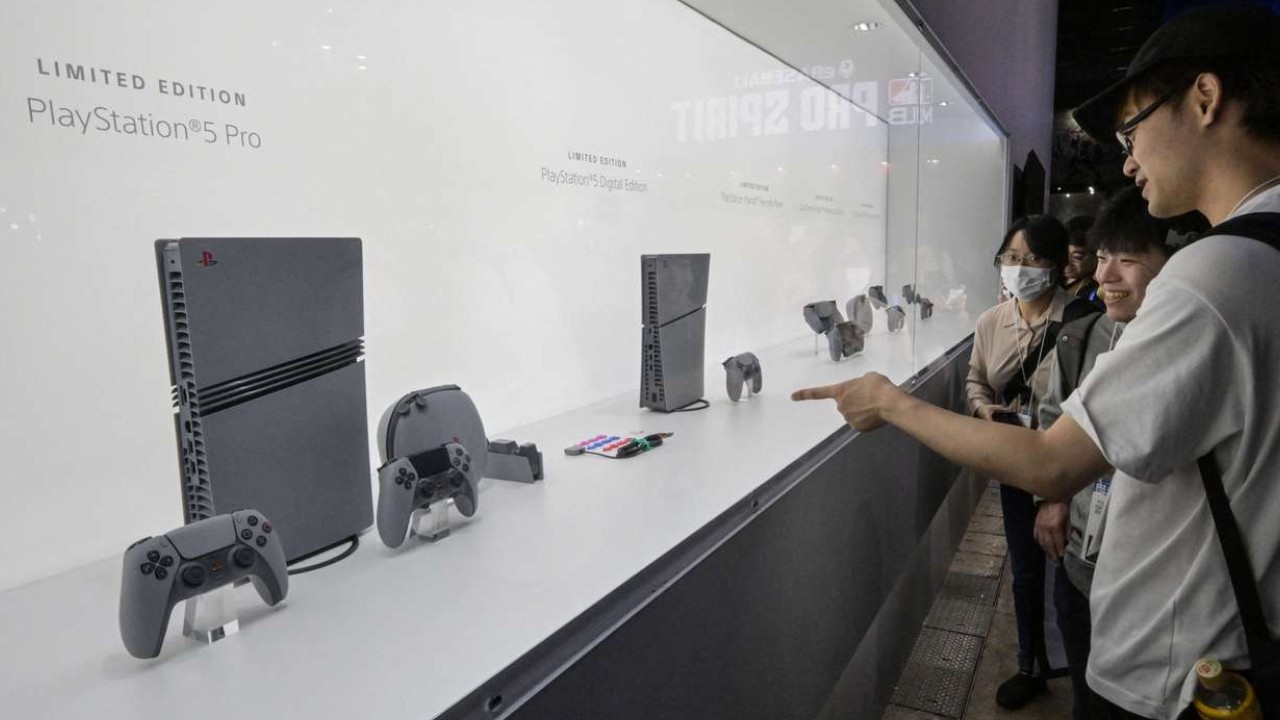
PlayStation has historically had a similar advantage. If, however, its biggest draw ends up being playing multiplatform releases like Grand Theft Auto, Fortnite and Call of Duty, then some customers may have fewer reasons to choose its hardware over competing platforms.
Sony isn't necessarily out on exclusives, but rising AAA development costs may mean fewer big first-party titles. That's something the company has to consider carefully before entering another console generation.
At the end of the day, PlayStation is not in any obvious financial crisis. Its gaming division remains profitable, its network has a massive audience, and its revenue continues to grow. But being profitable doesn't mean every business decision benefits customers.
Sony needs to keep its development budgets in check, keep investing in compelling first-party games, and maintain meaningful choices in how players buy and access those games. The company's most recent financial results show it's doing well for now, but whether that continues depends on whether it can give customers a reason to invest in the next generation of PlayStation hardware.
Senior Editor, NoobFeed
Related News
No Data.