
Gamer’s Paradise: Combining Virtual Skills with Real-World Rewards
Other by Nestee Shy on Apr 23, 2025
As interactive entertainment continues to evolve, the line between virtual achievement and tangible benefit blurs. Competitive gaming and digital experiences no longer exist solely for leisure.
Instead, they now present pathways to measurable outcomes that extend into real-world contexts. From blockchain integration to gamified economies, digital platforms are creating ecosystems where performance, decision-making, and consistency can yield direct rewards.
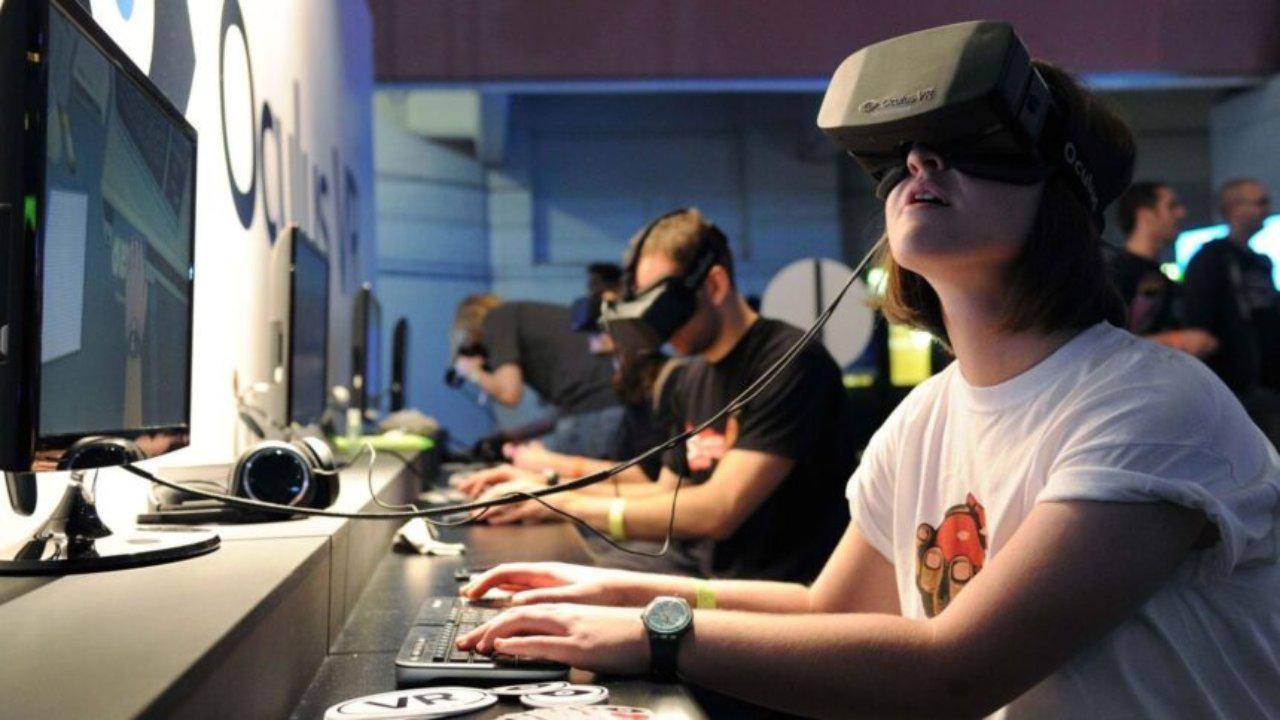
The Economic Shift Behind Skill-Based Gaming
Virtual environments, once designed strictly for recreational use, now serve as micro-economies driven by skill and strategic input. Players participating in these systems contribute to complex reward structures in which outcomes are closely tied to performance rather than random chance.
One example of this transformation is the growth of platforms that merge gameplay with blockchain technologies. These systems often provide rewards that can be converted or redeemed externally, bridging the gap between digital assets and real-world value. According to Statista, the global blockchain gaming market surpassed $4.8 billion in 2022 and is projected to grow substantially over the next five years.
Much of this expansion is credited to games that allow players to earn assets by demonstrating skill or by achieving milestones. A significant aspect of this model is the presence of promotional cycles that give players recurring opportunities to benefit from their activity. Stake.us, for example, runs a consistent rotation of promotions, offering users regular opportunities to earn additional virtual currency or participate in themed sweepstakes.
To learn more about regular promotions, individuals often refer to curated platforms that track bonus cycles and reward-based events, keeping participants informed of the latest developments within these evolving digital economies. Within more traditional gaming environments, incentives are structured through achievement tiers, leaderboards, and time-sensitive challenges.
This has led to a surge in engagement, as players recognize that the time and effort invested can result in monetary or status-based benefits. In many cases, gaming hubs offer scheduled events or season-based incentives to maintain competition and participation.
Skill Measurement and Competitive Validation
In this system, performance is continuously tracked and evaluated. Leaderboards, ranked matches, and skill brackets are key components. Unlike random-draw systems, skill-based formats use algorithms that assess movement accuracy, timing, decision-making, and strategic outcomes. This level of granularity supports competitive integrity and allows consistent players to maintain or improve their standing over time.
For example, esports tournaments have formalized these principles. As reported by Newzoo, the global esports market was projected to reach 187.7 billion in 2024, driven in part by the increased professionalism of competitive circuits. Many of these tournaments award cash prizes, sponsorship opportunities, and contract-based employment to top players, directly linking virtual expertise with financial outcomes.
Outside of organized competition, even casual games have adapted formats that assess player ability over time. A system of progression ensures that those who perform well are met with increasingly rewarding opportunities. This also helps maintain fairness, as rewards are distributed based on clear, measurable criteria.
Digital Economies with Tangible Benefits
The integration of real-world currencies and exchangeable items into gaming systems has created complex digital economies. Items earned through gameplay—such as character upgrades, tools, or in-game currency—can often be converted through third-party marketplaces or blockchain wallets. This has created an ecosystem where in-game success translates into tradeable value.
Game developers have responded by creating secure platforms that handle both gameplay and transactions. These systems are designed to uphold transparency and maintain a verifiable link between effort and reward.
This structure has implications beyond entertainment. It encourages strategic thinking, patience, and consistency, qualities valued in professional and educational environments. Through repetition, analysis, and performance feedback, players develop skills that are relevant to areas such as project management, systems analysis, and risk assessment.
Technology as a Validator of Virtual Success
Advanced tracking systems, such as those using machine learning or AI, are being deployed to further refine reward systems. These tools can assess gameplay at the individual level, offering insights beyond leaderboards. For example, predictive analytics might identify emerging talent, while behavioral models could be used to personalize progression systems.
In games where cooperation is essential, systems track not just personal performance but collaborative effectiveness. This shift demonstrates a broader appreciation for soft skills, such as communication, leadership, and adaptability. These elements, once considered secondary, now carry significant weight in determining a player’s ability to earn and progress.
As the technology improves, so does the ability to measure outcomes accurately. What was once a pastime has transformed into an arena where skill has real consequences. Each move, decision, or adjustment in the digital space can impact the tangible world.
Moderator, NoobFeed
Latest Articles
No Data.