
Gaming Is Too Expensive in 2026 as Rising Prices Hurt Accessibility
Rising hardware and software costs are steadily reducing accessibility and limiting entry points for new gaming audiences.
General by Shinji Okazaki on Apr 07, 2026
People have always thought of gaming as fun, not something they had to do. Basic needs come first, yet gaming has always been easy to access, despite this difference. A full IMAX movie experience with popcorn and a drink now costs as much as a video game, highlighting how prices have changed.
Movies can be very powerful, but games can keep you interested for longer, often at the same or lower cost, especially in the independent realm.
.jpg)
Experiences from the Past and how Much they Cost
Cost and availability had a big impact on many early gaming experiences. One purchase might give you hours of fun. As technology aged, hardware prices fell, making it possible for more individuals to join. Handheld consoles and other devices become cheaper over time, making them good gifts for holidays and other special occasions. These times made lasting memories and made people feel more connected to gaming.
Higher prices that limit access could make these entry points less available. Many people associate certain games with important times in their lives. Those encounters frequently shape how long people stay interested in gaming. Fewer of these moments occur when fewer people can reach the hardware.
Costs of Hardware Going Up
Current trends indicate that hardware prices are rising rather than falling. Prices are going up even after devices come out, which goes against the usual idea that prices will go down. Some handheld gaming systems have risen in price from their original launch prices to much higher resale or retail prices. A device that was originally priced at $1349 can now cost $2000, which is a big jump.
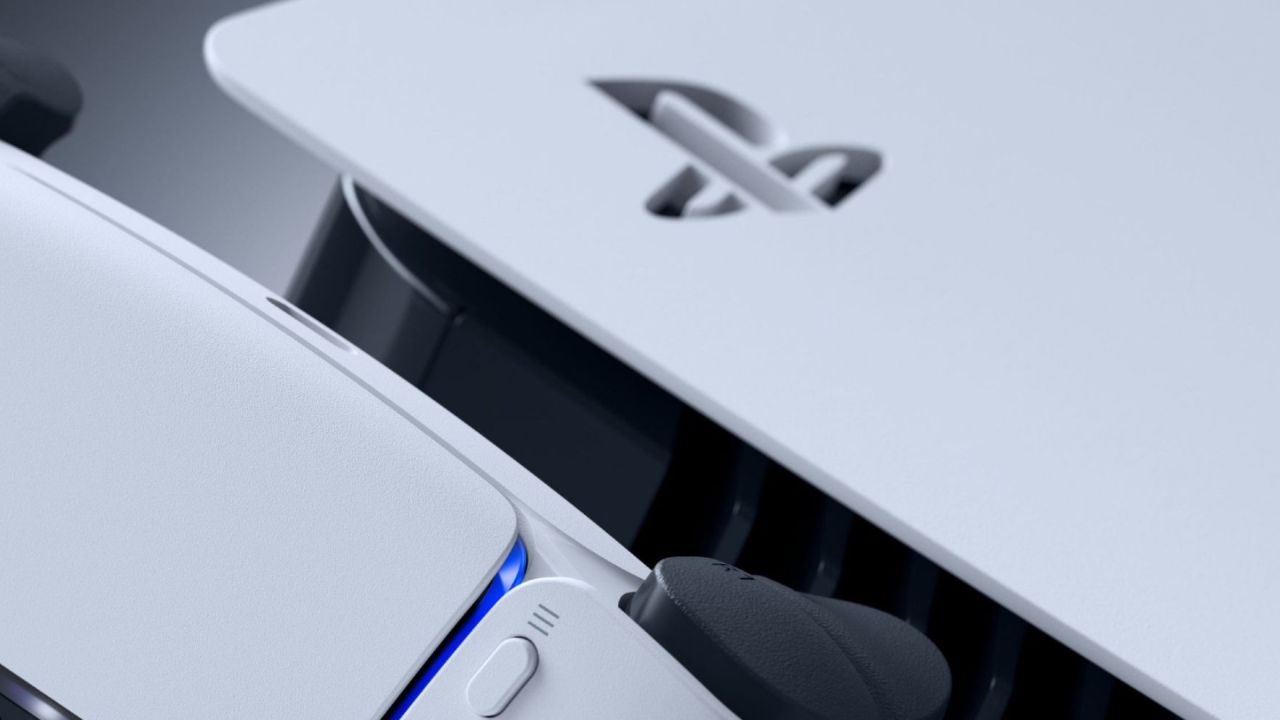
Console prices are also going up. Digital and standard versions are now far more expensive than they were when they first came out. They are getting harder to replace, not cheaper over time. A lot of people are worried about keeping their present gear because it costs a lot to update it.
Market Behavior and Pressure from Consumers
Hardware is now seen as an asset that will appreciate over time. Limited supply and demand have enabled sellers to charge more. This makes people want to buy early because they fear prices may rise later. Businesses know about this behavior and may use it to make more money.
Some people are also starting to accept that high prices are typical. But not everyone can afford to buy things right away because everyone's financial condition is different. Making early adoption a requirement makes it hard for many gamers.
Trends in Game Prices
Prices for games have also been under pressure. People fought back against efforts to raise prices to $80. Some games tested pricing schemes that made the cost seem lower by bundling items, while others raised prices all at once. There has been a return to $50 pricing, which people have liked more.
At the same time, popular titles might nevertheless drive up costs because of demand. It's still unclear where the line is between making money and being affordable, especially with big releases that may charge more regardless of market sentiment.
The Move to Indie Games
As prices rise, we are increasingly turning to indie games to save money. Indie games are often cheap, usually under $20, and they usually have great gameplay. This change isn't only about money; it's also about valuing the work of smaller development teams.
But indie development trends are evolving as well. Many smaller publishers are making system-driven, replayable games that people can play for a long time. These games are usually easy and cheap, so many people will want to play them again and again.
Problems in the Industry Since 2020
Since 2020, the gaming industry has faced challenges. Overinvestment occurred because demand increased amid global events. The industry struggled to adjust when things returned to normal. This lack of planning led to changes in pricing and production tactics that destabilized the situation.
It has become harder for new players to join the ecosystem due to hardware shortages and rising prices. The thrill of buying a console has changed, especially since you can only order them online instead of in person.
Changing How People Act
A lot of people are changing by playing older games. Retro gaming is becoming more popular as people return to older games rather than buy new, expensive hardware. Some people are going through earlier catalogs in a planned way to find value in content that has already been released.
We can change how we spend money. When people choose different possibilities, it can change how the market works. In some cases, corporations respond to a drop in demand by improving their products.
The Need for Balance
There is still room for growth. Affordable game prices, great indie production, and a lot of consumer choices help keep things in balance. But the high cost of hardware remains a major problem.
We want games to remain easy to access. Lower hardware costs enable more people to play, which benefits both consumers and businesses. If that balance isn't there, fewer individuals will join in, and fewer meaningful experiences will happen.
Final Thoughts
The thought of future generations of consoles makes people worry rather than get excited. It's too early to move forward when it's hard to reach the current system. The industry might consider a reset, but past experience shows it doesn't always work as planned.
Gaming is always changing, but how much it costs is a big part of its future. It should still be a goal for individuals to enter and interact with the medium.
Editor, NoobFeed
Latest Articles
No Data.