
Jurassic World Evolution 3 Guide | How To Breed Dinosaurs
A practical walkthrough for setting up Dinosaur Breeding Programs, raising Juveniles, and managing Family Units safely.
Game Guide by Jubair Baky on Feb 15, 2026
Jurassic World Evolution 3 adds a full breeding system to the series. This is not just a visual upgrade. Breeding becomes a core gameplay mechanic that lets your dinosaur population grow naturally.
You also get new strategic layers for park management because babies, parents, and group behavior all matter simultaneously. To make breeding work, you need both male and female dinosaurs, so population planning and gender balance matter from the start.
Start With the Right Enclosure Conditions
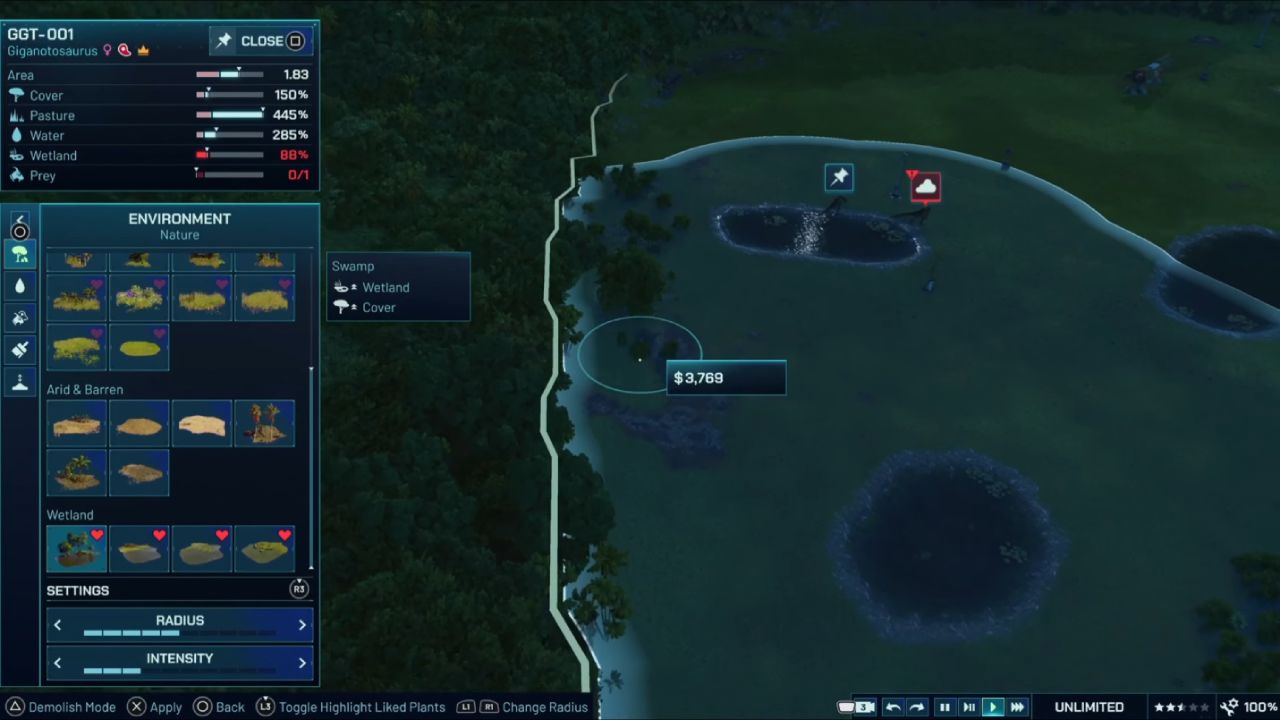
Before you think about babies, the enclosure has to be right for the intended parents. Every need inside the habitat should be addressed, and the goal is to push everything up to at least 100%. These conditions help create the best setup for reproduction.
If even one requirement is low, breeding can slow down, or the animals may not settle into the behaviors needed to start a family.
Build a Nest That Matches the Species
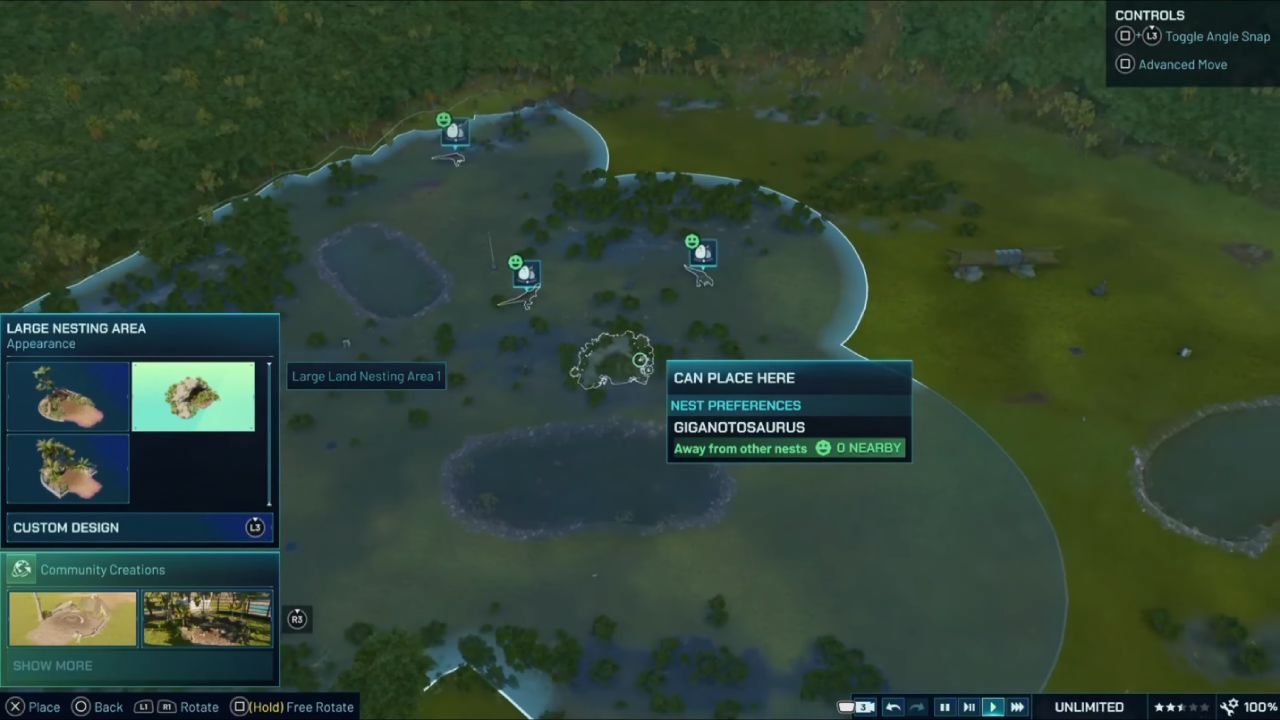
Breeding does not begin until you build a Nest that fits the species you want to breed. Placement is just as important as construction. The Nest should be positioned correctly, away from Guests and away from other dinosaurs.
It should also be away from other nests, and it must sit inside the territory of the potential parents. This matters because if the Nest is in the wrong location, no dinosaur will claim it, and breeding will not start.
Sometimes dinosaurs claim the Nest on their own. When that does not happen, you can select the Nest, then manually pick the parents. While choosing parents, check compatibility. “Average” can work, but “Bad” compatibility is not recommended, because it can limit stability and reduce the chance of a smooth breeding cycle.
Select the Right Parents and Enable Breeding
Once the Nest is claimed and the parents are set, breeding becomes possible. At that point, dinosaurs can mate and produce Juveniles. This is where the system stops being simple and starts affecting the whole park, because babies need different care and can shift how the adults behave.
Raising Juveniles Without Losing Them
Juveniles need a lot of care to survive and grow into adults. Their needs are not the same as adult dinosaurs', so the enclosure must change with them. Feeding, shelter, and the overall layout may need adjustments to support development.
A useful habit is to click each individual animal often and check its needs directly. If something is missing, add features to the enclosure right away instead of waiting for stress to build.
Feeding is a common surprise. Many carnivores prefer Live Prey, but their offspring may prefer Butchered Meat instead. That difference can force an enclosure upgrade, because you may need to build an additional Feeder to cover both preferences simultaneously.
Family Units and Social Groups Matter More Than You Expect
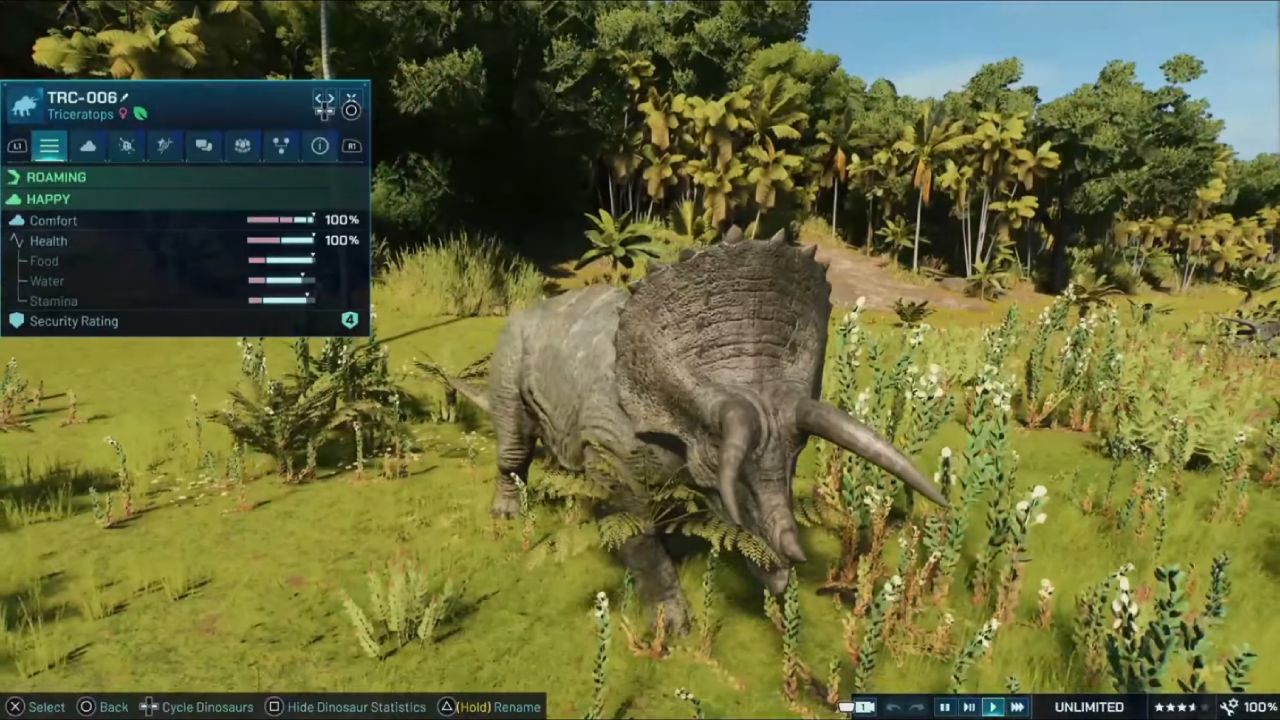
Dinosaurs form Family Units, and these groups affect well-being and behavior. When social groups are properly maintained, stress drops, and the risk of incidents decreases. This becomes even more important as offspring grow, because maturity can change social pressure inside the enclosure.
In some cases, once offspring reach maturity, it may be necessary to remove some animals from the group to keep the remaining dinosaurs stable.
Family dynamics also influence how dinosaurs interact with each other and with Guests. As a result, enclosure design and monitoring become essential tools. The goal is not only to keep dinosaurs comfortable but also to keep visitor areas safe when behavior patterns shift.
Use Fences and Cameras Before Problems Begin
Security matters more once breeding starts, because Juveniles can change an enclosure's risk profile. Proper Fences and Cameras reduce the chance of a breakout when family dynamics turn unstable. A calm enclosure can quickly become tense after babies arrive or as they begin to mature.
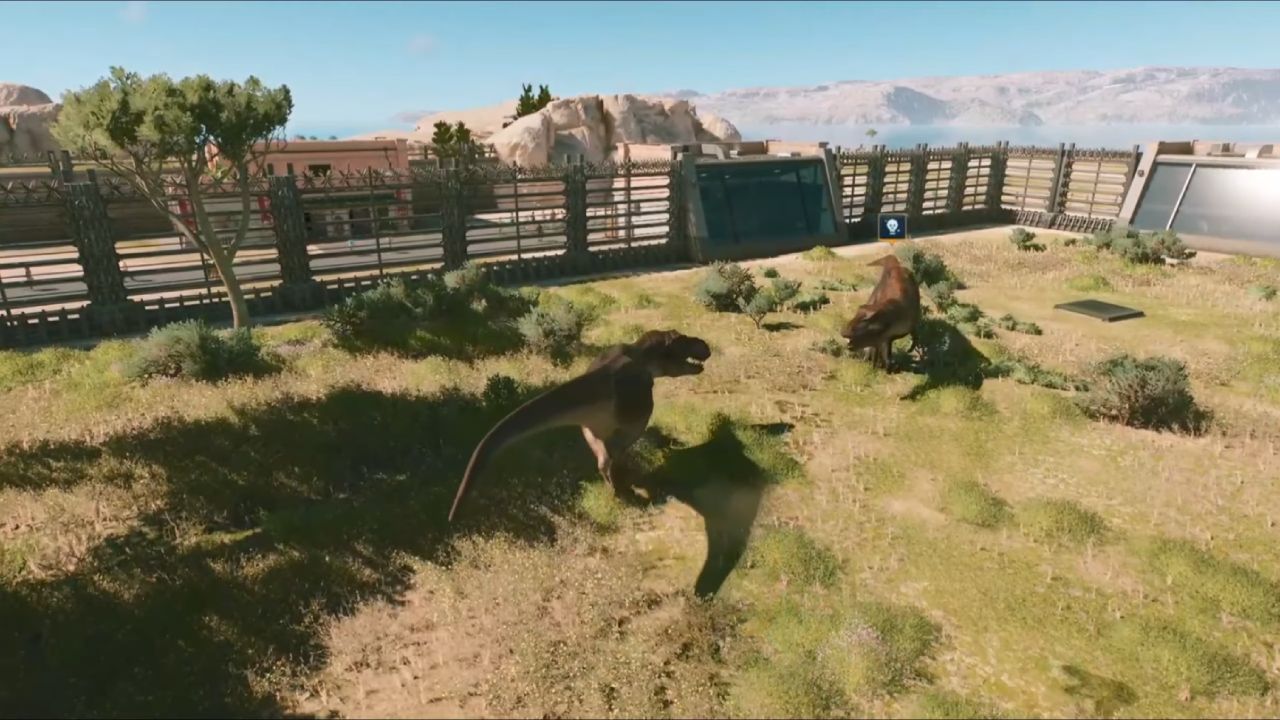
A simple example is a pair of T. rexes living in perfect harmony. Once offspring are born or mature, one of the parents may feel stressed or threatened. That can lead to fence attacks, and a situation that looks fine on paper can become dangerous fast. Strong fencing and smart camera coverage help you spot stress early and prevent a bad incident from becoming a park disaster.
Inherited Traits Make Selective Breeding Worth Doing
Children might get qualities from their parents. This makes it possible to selectively breed animals to change their looks, temperament, and performance. You may utilize inherited traits to make dinosaurs that are better for attractions or that help you reach certain operational goals.
It is not just about compatibility when choosing a parent because both good and bad traits can be handed down. It also depends on what you're willing to risk for the future generation.
The Aggressive Trait is a clear warning sign. If one or both parents have the trait, it could be passed on to their children. That can leave you with a pen full of animals that are tougher to handle and more likely to cause problems. That's why it's better to think of breeding as a long-term plan instead of a one-time thing.
Keep Breeding Under Control With Population Planning
Managing the population is the best way to make breeding work. By making sure there are an equal amount of males and females, you can control the rate of reproduction and make it fit with how fast your park can grow.
Over time, that control becomes more valuable because having more babies means more competition for room, more pressure to eat, and more changes in how people behave in social groups.
Plans for enclosures should take into account how families work and what kids need. In other words, the habitat, resources, and social organization should be right for the species and age group that live there. It's safer for everyone in the park even as the number of animals grows when those pieces fit together.
Build Around Growth, Not Just Today’s Comfort
Population control and genetics are both part of breeding, which makes it more difficult and interesting. Making environments that can support a growing dinosaur family, not just a pair of adults, is the best way to go about it.
With the right Nest placement, the right compatibility, the right juvenile support, and the right security coverage, you can keep Family Units stable while still using Inherited Traits to shape the dinosaurs you want for your park.
Also, check out our other guides:
- Jurassic World Evolution 3 Guide | How to Use the New Island Generator
- Jurassic World Evolution 3 Guide | How to Adjust Slopes and Create Waterfalls
- Jurassic World Evolution 3 Guide | All Attractions
- Jurassic World Evolution 3 Guide | How to Set Up Attractions on Enclosures
- Jurassic World Evolution 3 Guide | Best Attractions of the Game
- Jurassic World Evolution 3 Guide | How to Build Structures Piece by Piece
- Jurassic World Evolution 3 Guide | How to Build Circles in Jurassic World Evolution 3
- Jurassic World Evolution 3 Guide | How to Set Up Expeditions
Editor, NoobFeed
Latest Articles
No Data.