
Microsoft’s Magnus Console Could Redefine Xbox Gaming Ecosystems by 2027
Leaked Magnus specifications reveal powerful AMD hardware, 48GB GDDR7 memory, and workstation-level AI performance for 2027 launch.
Hardware by Tanvir Kabbo on Feb 23, 2026
Microsoft may have just changed the rules of the gaming industry, and PlayStation gamers could lose if Sony does not respond. In early February 2026, leaked specifications for the next Xbox surfaced online. The code name is Magnus, and the numbers are brutal for Sony.
The Magnus chip was designed by AMD. It features an RDNA5 graphics architecture with up to 70 compute units. It runs on a Zen6 processor. And here is the number that should make every PlayStation fan pay attention: 48GB of GDDR7 memory on a 192bit bus. For context, the PlayStation6 is expected to launch with 30GB. Microsoft is not building a console. They are building a weapon.
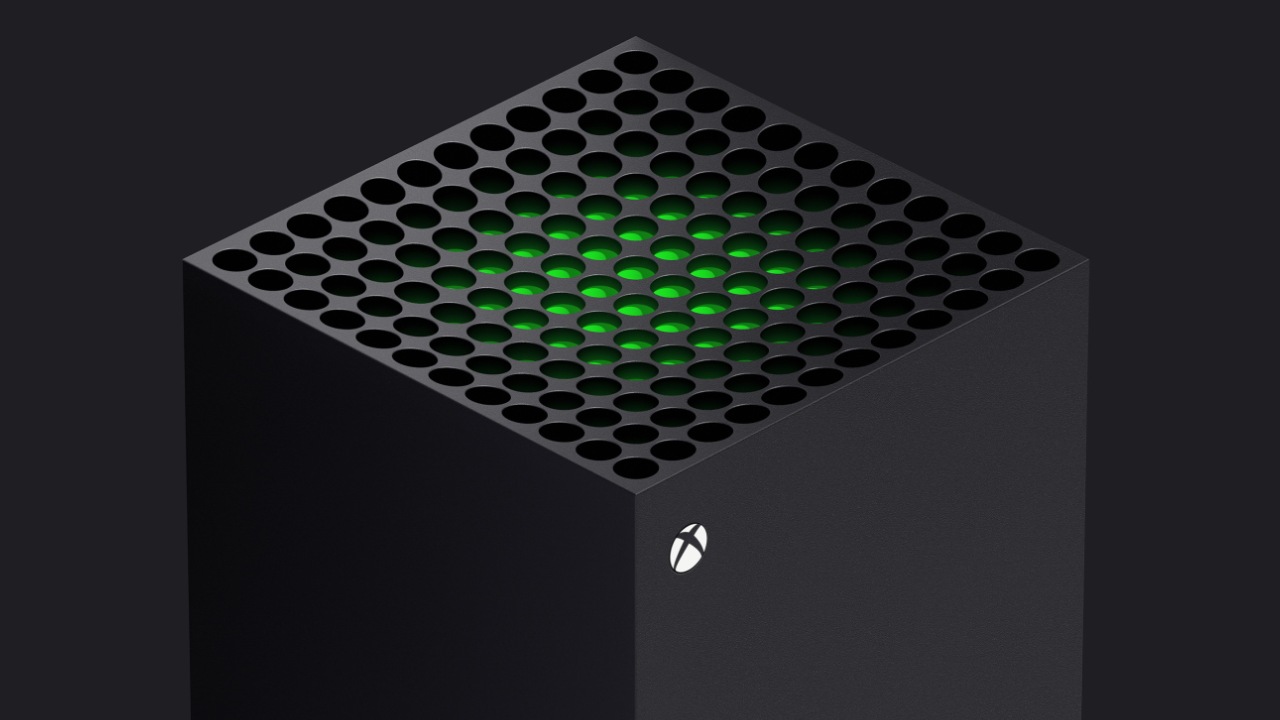
The AI processing unit inside Magnus delivers 110trillion operations per second. That is not a gaming chip. That is the kind of hardware found in professional workstations. And Microsoft wants it in living rooms by 2027.
A Console That Might Not Be Just a Console
Here is where it gets interesting. The leaks do not stop at hardware. Multiple credible insiders are reporting that Magnus will run a full version of Windows11 with a console interface on top.
What does that mean for you as a gamer? It means native access to Steam. It means an entire library of PC games on a television. It means the Epic Game Store on the couch. Every game that has ever been released on PC could potentially be available on Xbox. No subscription required, no extra purchase, just an existing library working.
To be clear, Microsoft has not confirmed the Steam integration officially. These are credible leaks from inside sources, but they are still leaks. Microsoft has confirmed the direction. For years, they have been working on bringing PCs and consoles together. Day one: Xbox games on Steam. Windows Xbox. Xbox on more than one device.
It's clear what the plan is. They don't want to sell a box. They want to own the platform that people play on, no matter what kind of technology they utilize. Steam on Magnus fits that strategy perfectly.
The Price Question
Now let us talk about cost, because this is where it gets complicated. Insiders are suggesting two versions of Magnus: a base model around $699 and a premium model around $899, possibly even $1,000 for the highest tier.
Microsoft is not solving the affordability problem. They are building a premium product for enthusiast gamers. But here is the difference. When you spend $900 on a Magnus, you potentially get access to every game ever released on Steam, thousands of titles, many of them free if already owned on PC.
When you spend $700 or $800 on a PlayStation6, you get access to Sony’s closed garden, their prices, their rules, their subscriptions, and their terms of service. One ecosystem is open. The other keeps players locked in a room and charges rent.
Exclusives vs. Ecosystem
Many of us have been gaming since the original PlayStation in 1994. We have watched Sony go from the scrappy underdog to one of the most expensive habits in entertainment. And for the first time in 30 years, Microsoft is making a genuinely interesting argument.
Not because Xbox suddenly has better games. Let us be honest. PlayStation exclusives are still the gold standard. Ghost of Yoteay, Marvel’s Wolverine, and the next God of War are examples of that strength. Nothing Microsoft is doing changes the quality of those titles.
But the ecosystem argument, the openness argument, the value argument, that is where Microsoft is winning right now. And Sony’s response so far has been silence. No price announcements for PlayStation6. No ecosystem commitments. No clear answer to the question every gamer is asking: how much is this going to cost?
Meanwhile, AMD has confirmed production is underway. Lisa Su has stated that the semi-custom chip is on track for 2027. The four-horsemen lineup is confirmed for 2026: Forza Horizon 6, Halo Campaign Evolved, Fable, Gears of War Eday, plus Fallout and Call of Duty. Microsoft is not standing still. They spent $100billion acquiring game studios. They lost the console war this generation badly, and now they are returning with a completely different strategy. Not a better PlayStation, but a different kind of machine entirely.
What If Magnus Works?
The real question is not whether Magnus will outsell PlayStation6. It probably will not. PlayStation has brand loyalty. PlayStation has exclusives. PlayStation has the install base.
But here is what should concern us as PlayStation gamers. What if Magnus works? What if millions of PC gamers who never owned a console buy a Magnus because it runs their Steam library on a television? What if that creates a second mainstream gaming ecosystem that does not need Sony’s permission to exist? One that does not need $80 game prices. One that does not require mandatory PlayStation Plus to play online.
For years, Sony has had a monopoly on high-end consoles, and when actual competition comes around, monopolies don't perform well.
Lessons From the Past
Sony was under a lot of pressure when Microsoft released the Xbox360 and Sony came out with the PlayStation3 for $599. They almost hurt their own might. They became better, but it took years and cost faithful fans a lot of money.
No one is saying Magnus kills PlayStation. The real point is that Magnus forces a choice Sony has been avoiding. Either compete on value and openness or watch a new category of gaming emerge without them.
The worst outcome for gamers is Sony deciding they do not need to compete, believing exclusives are enough, assuming players will pay whatever is charged because there is no alternative. History shows that assumption has failed before.
We are watching the beginning of something significant. Whether it ends well or badly for your wallet depends entirely on whether Sony is paying attention. Based on recent pricing decisions, including PlayStation5 Pro at $799 and $80 game prices becoming normal, it is difficult to assume Sony will blink first.
The next 12 months in gaming could be unlike anything seen in 30 years.
Also, check our other articles below :
- ASUS ROG Ally X Handheld Review: Double the Battery, Double the Comfort
- Nintendo Switch 2 Vs. Original Switch 1: A Full Comparison
- How To Connect A Camera And Join Voice Chat With Nintendo Switch 2
- Nintendo Switch 2 Review: Handheld Performance, Features & Value Breakdown
- ROG Xbox Ally X Vs. ROG Ally X: Display, Battery & Controls
- ASUS ROG Ally X vs. Steam Deck OLED: Display, Battery & Gaming Benchmarks
- MSI Claw 8 AI+ Review: Display, Controls & Gaming
- Nintendo Switch 2 vs. Steam Deck OLED: Gaming, Performance, Battery, Display and Value
- PlayStation Portal Review: Remote Play, Cloud Streaming & Travel Gaming
- PlayStation Portal vs. Lenovo Legion Go: Best Portable Gameplay
- Cyberpunk 2077 Patch 2.3 FPS Test on MSI Claw 8 AI+
Senior Editor, NoobFeed
Gaming Hardware Updates
No Data.