
Performance vs Visuals: What Matters Most in 2025 Game Ports
Other by Nestee Shy on Jun 24, 2025
Video game ports in 2025 push boundaries like never before, but one question keeps coming up: do players care more about fluid performance or stunning visuals? With cross-play and 4K now standard, developers try to strike a balance.
Even platforms tracking digital trends across entertainment note the rising value of performance over visuals. Some games look incredible but lag; others play smoothly but feel dated. The best ports hit that middle ground, where stability and speed matter more than flashy graphics.
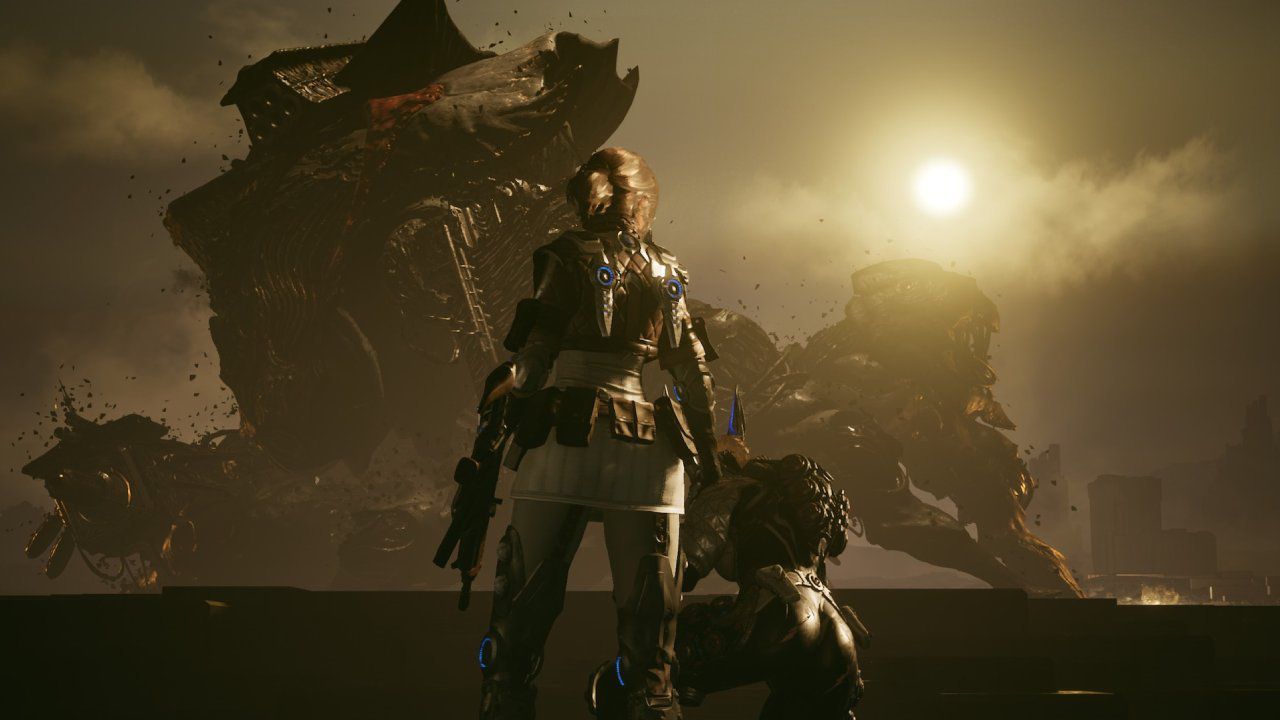
Why Performance Now Dominates the Conversation
Five years ago, ports were often measured by how close they looked to the original. Today? It’s all about responsiveness. Gamers expect a minimum of 60 FPS, with 120+ FPS becoming the new gold standard for competitive or fast-paced genres. If a game drops frames or suffers from input delay, it tanks—no matter how gorgeous it looks.
Why the pivot? Two main reasons:
- Hardware isn't a limitation anymore. Even mid-range GPUs handle ray tracing and high refresh rates. Consoles like the PS5 and Xbox Series X are monsters compared to older generations.
- Gamers are more educated. They read patch notes, test frame pacing, and watch Digital Foundry breakdowns. If a port stutters, they know.
Some studios have embraced this change:
- Ports of Resident Evil 4 Remake and Alan Wake 2 prioritize smooth gameplay across all modes. Though RE4 Remake had early PC issues with ray tracing and inconsistent frame pacing, those were addressed in patches.
- Even JRPGs like Persona 3 Reload now offer scalable graphics settings and multiple FPS caps right from launch. Players can choose between 30, 60, or even 120 FPS, depending on hardware capabilities.
The result? Players actually trust these ports. They know what they're getting and don’t need to "wait for a patch."
When Visuals Still Matter
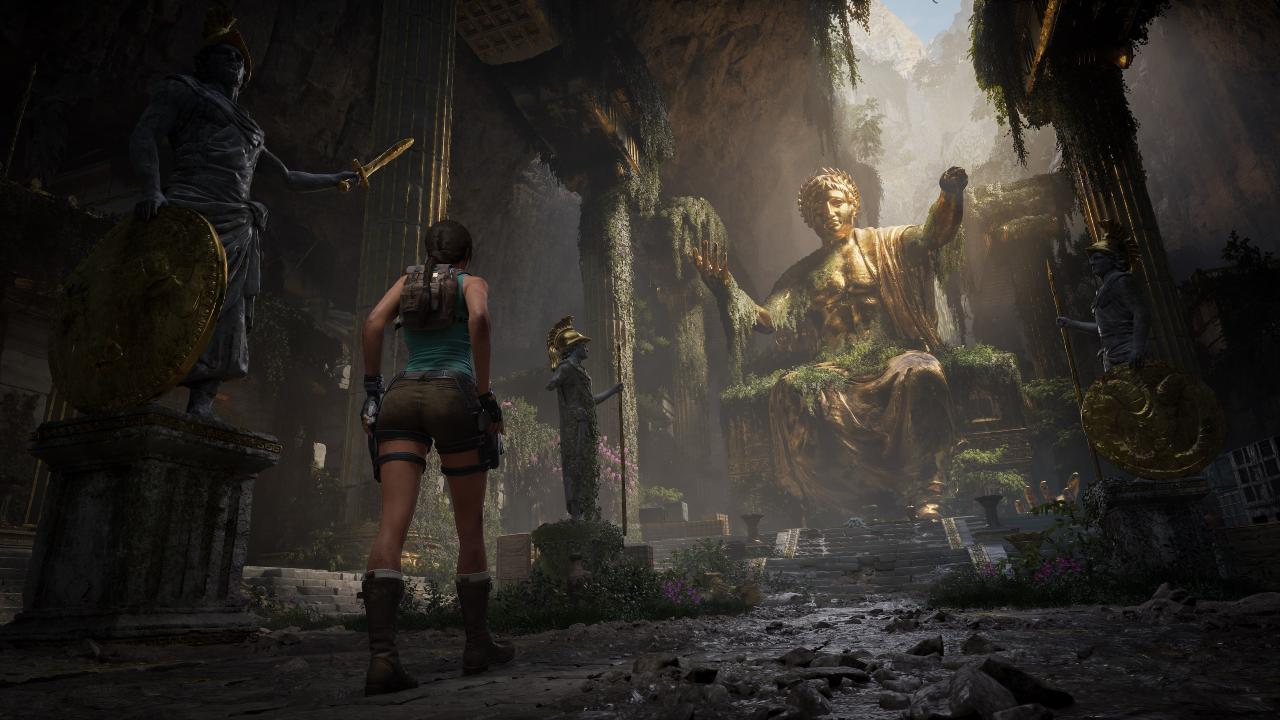
That said, visuals haven’t completely lost their throne. Some genres live and die by atmosphere. Think survival horror or cinematic adventures. In these cases, immersion is king. If a port downgrades visual fidelity too far, it breaks the mood.
Consider:
- Lighting and particle effects in horror games directly affect tension.
- Detailed textures and facial animations boost emotional impact in narrative games.
Three areas where visuals still make or break a port:
- Lighting consistency: If a PC version supports ray-traced lighting but the Switch port doesn’t simulate shadows properly, players notice.
- Texture quality: Open worlds filled with blurry assets kill immersion.
- Animation fluidity: Janky cutscenes ruin character connection.
Bottom line: visuals matter—just not more than playability. Smart devs balance both.
Best Practices in Modern Porting (2025 Edition)
Studios that get it right follow a mix of technical strategy and player-first thinking. There's no magic formula, but certain steps help avoid disaster.
Here are some modern porting must-dos:
- Prioritize scalable settings
- Give players options: Quality, Balanced, Performance
- Let users pick what's best for their hardware
- Focus on parity, not replication
- Aim for consistency, not identical visuals
- Match experience, not just image quality
- Use platform-specific strengths
- Take advantage of SSD speeds, controller haptics, and cloud save systems
- Test for real-world conditions
- Don’t rely solely on internal QA
- Work with community testers and modders
When done right, these strategies not only improve reputation—they boost long-term sales and player loyalty.
The Verdict: Playability Wins (But Don't Ignore the Rest)
In 2025, gamers want games that feel good first, look great second. That’s the reality. Ports that chase visual parity at the cost of stability almost always backfire. But it's not black and white. Art direction still matters. Good lighting still makes a difference. And there’s room to impress, even at lower fidelity—if the frame rate's locked and the input lag's low.
At the end of the day, players remember how a game felt. Not just how it looked. That’s the bar now. And for devs porting games across platforms? It's not about sacrificing visuals. It's about never sacrificing playability to get them.
Moderator, NoobFeed
Latest Articles
No Data.