
PlayStation 6 and Xbox 2027: Next-Gen Console War Already Began
PS6's PSSR 2.0 upscaling and Xbox's Direct SR deliver crisp 4K visuals across consoles, handhelds, and high-end PCs.
Hardware by Masaru Hoshino on Aug 06, 2025
Next PlayStation and Xbox consoles are on their way, and early details have just leaked. These rumors come from confidential AMD files and tips from trusted insiders, giving us a first look at what to expect. Sony's PlayStation 6 (PS6) is expected to be budget-friendly and more energy-efficient, so upgrading will feel like a smart move rather than a splurge.
On the other hand, Microsoft's new Xbox will combine high-end gaming PC's power with console convenience to offer a vast library of games and top-tier performance. Both companies are aiming for a 2027 release, with Xbox even considering an early hybrid device in late 2026.
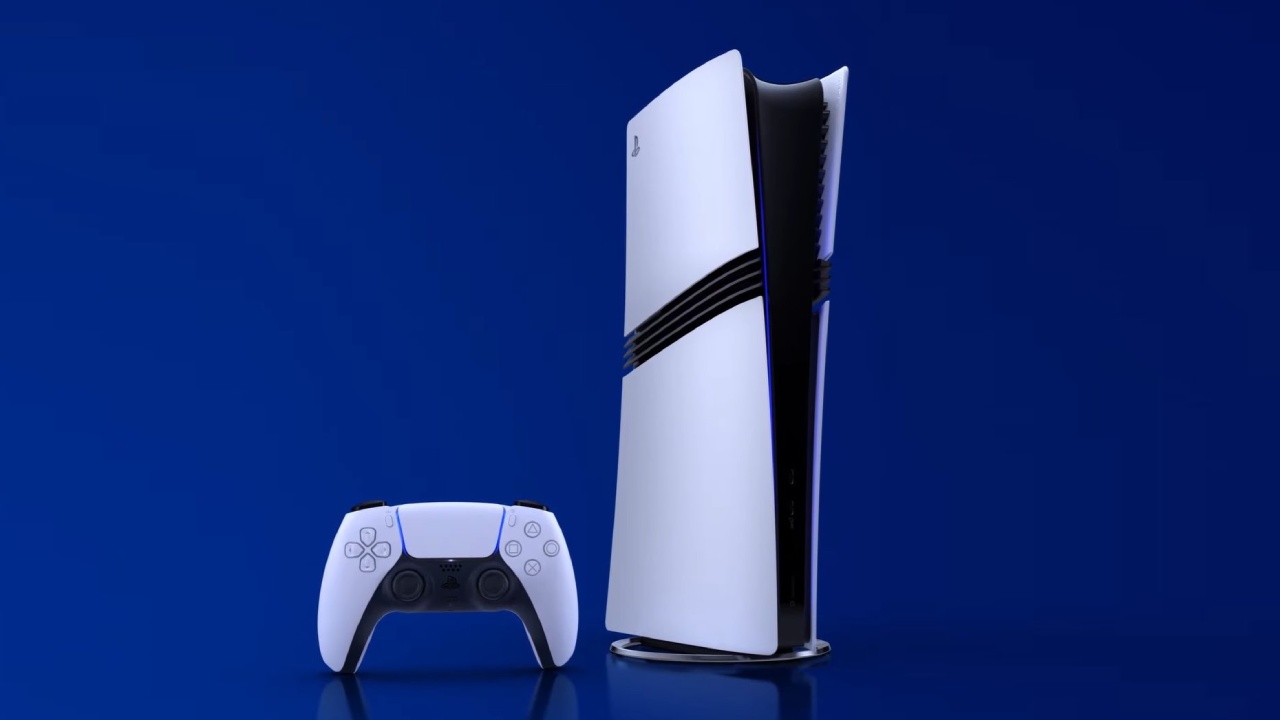
What emerges is a clear contrast in strategy: one console focuses on affordability and easy upgrades, while the other pushes for maximum power and cross-platform integration. We break down what we know so far, so you can get a clear picture of what each company has in store.
Leaked Specifications and Timeline
From Reliable sources, we found that Microsoft and Sony intend to release their first-party consoles in 2027, with Xbox perhaps releasing a hybrid PC-console device as early as late 2026. While Microsoft's upcoming console will be offering access to thousands of Xbox and PC games, the PS6's release date guarantees compatibility with the PS4, PS5, and future titles.
Game Access and Console Strategies
Sony is aiming for an easy transition from the PS5, promoting upgrades without offending existing gamers, with the PS6 rumored to cost roughly $500. Microsoft, by contrast, plans a dual-pronged approach: an affordable third-party hybrid box in 2026, followed by a powerful first-party console in 2027.
You'll be able to play over 6,000 classic Xbox titles, plus millions of PC games in one place, and even more surprisingly, more than 50 former PlayStation exclusives are expected to launch on Xbox thanks to new cross-platform initiatives.
Processor Architecture
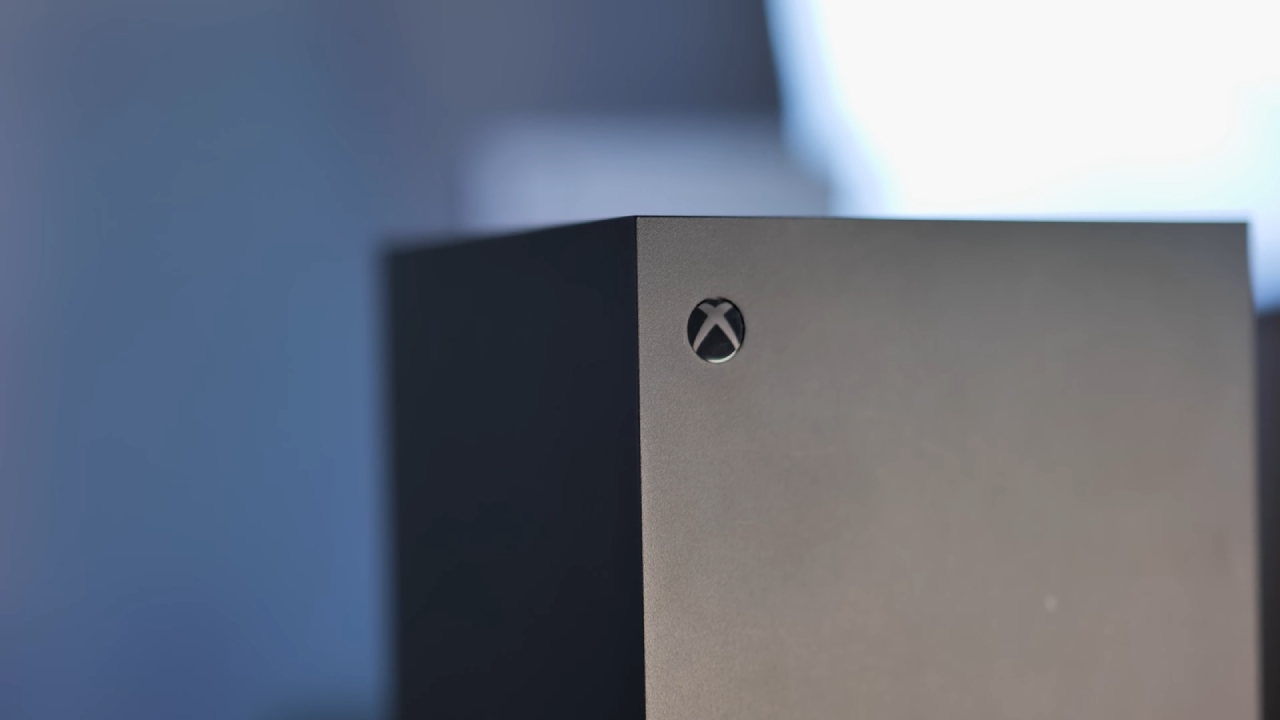
PS6 will include an 8-core Zen 6 CPU with 16 threads, which matches the PS5's core count but with greater clock speeds for speedier draw calls and game logic. Microsoft's console will have an 11-core Zen 6 design (3 Zen 6 and 8 Zen 6C), which will most likely present as 10 cores with 20 threads. The additional cores should improve adversary AI, physics simulations, and frame rates.
Graphics and Performance
Sony's PS6 is built on AMD's custom RDNA 5 (codenamed Navi 5) using a 3 nm process with 4048 compute units clocked 50% faster than the PS5 Pro GPU. Ray tracing is expected to run over 6 times, faster, with rasterization improved accordingly.
Microsoft's "UDNA 5" unified architecture merges PC and console GPUs into one platform optimized for AI and developer tooling. It will sport around 64 compute unit about 25% more than PS6, resulting in a significant edge in raw graphics power.
Power Consumption and Pricing
PS6 targets a modest 160 W power draw, down from PS5's 190–220 W range. Priced at approximately $500, it balances performance with energy efficiency. Early reports suggesting a $1,000 + price tag for Xbox's PC hybrid have been adjusted to $800–$1,000 based on similar third-party handheld costs.
The premium reflects higher production costs and Microsoft's positioning for greater profit margins.
Memory and Storage
Both consoles will feature a shared 32 GB of GDDR7 graphics RAM on a 160-192-bit bus, supporting open-world games, multitasking, and high-resolution textures. You'll enjoy parity in memory capacity, though Xbox's extra compute units may leverage that bandwidth more heavily.
PS6 and Xbox will offer M.2 SSD expansion; Sony continues with a detachable disc drive, and Microsoft may adopt a similar modular disc solution alongside proprietary SSD cards.
AI Upscaling and Superresolution
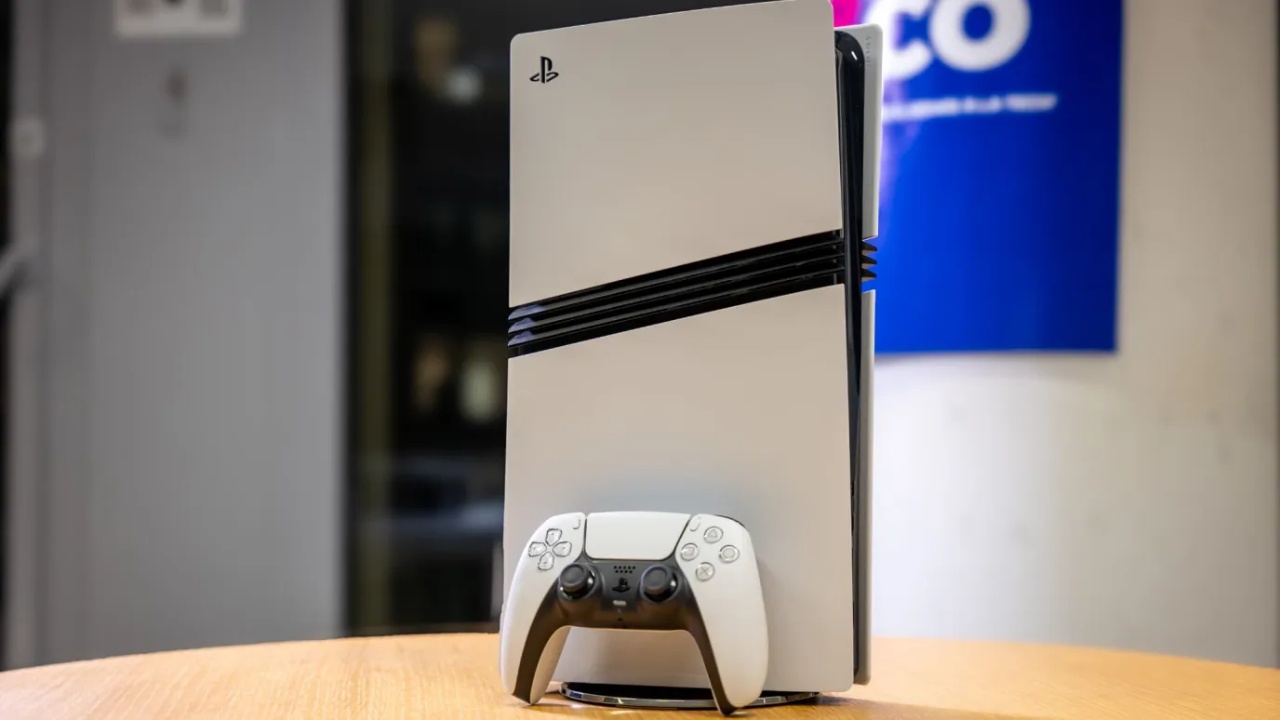
Sony's proprietary PSSR 2.0, built atop AMD's FSR 4.0, promises 4K-equivalent visuals at 60–120 fps using advanced upscaling. DirectSR, a neural processing unit-driven superresolution API built into DirectX 12, will be released by Microsoft.
By integrating several upscaling algorithms under a single SDK, DirectSR enables developers to guarantee constant performance on consoles, mobile devices, and high-end PCs.
Design and Storage Options
While final form factors remain under wraps, we expect PS6 to evolve from PS5's modular design with detachable disc drives and off-the-shelf SSD slots. Xbox users, having largely abandoned physical media, will still likely see disc support for backward compatibility and a similar M.2 expansion standard, alongside Microsoft's premium plug-and-play SSD cards.
Think about price, power efficiency, and upgrade ability in addition to raw performance and game libraries when selecting your next platform.
Both systems offer a tremendous leap forward in gaming, regardless of whether you like the new Xbox's power and unified ecosystem or the more economical, energy-efficient PS6.
Check Our Other PS5 Pro Articles:
- PS5 Pro vs. PS5 Slim: Frame‑Rate, Graphics & Performance
- PS5 Pro vs. Radeon RX 9060 XT vs RTX 5060 Ti: Ultimate $700 Gaming Showdown
- ASUS ROG Ally PS5 Remote Play | How to do Remote play on PS5 Using Sony's Official Remote Play App
- Stream PS5 Games on Steam Deck OLED: Step-by-Step Installation and Configuration
- PS5 Pro vs. PS5 Slim vs. PS5 — Design, Storage, Specs, and Gaming
- PS5 Pro vs. Xbox Series X: Specs, Price, Storage, Customization, and Gaming
- PS5 Pro vs. PC Gaming: Comparison of Graphics, Frame Rates, and Price
Editor, NoobFeed
Gaming Hardware Updates
No Data.