
How Professional Players Build Their Legacy In The Modern Esports
Other by Aisaka Taiga on May 15, 2026
Pro gamers don't only win tournaments, they establish a legacy that fans remember and other gamers try to replicate. Great performance does not create a legacy in esports. Consistency, strategy, charisma and personal brand creation are required.
An esports legend is someone who performs at a high level in competition, has significant influence in the community, and maintains that level of performance over an extended period.
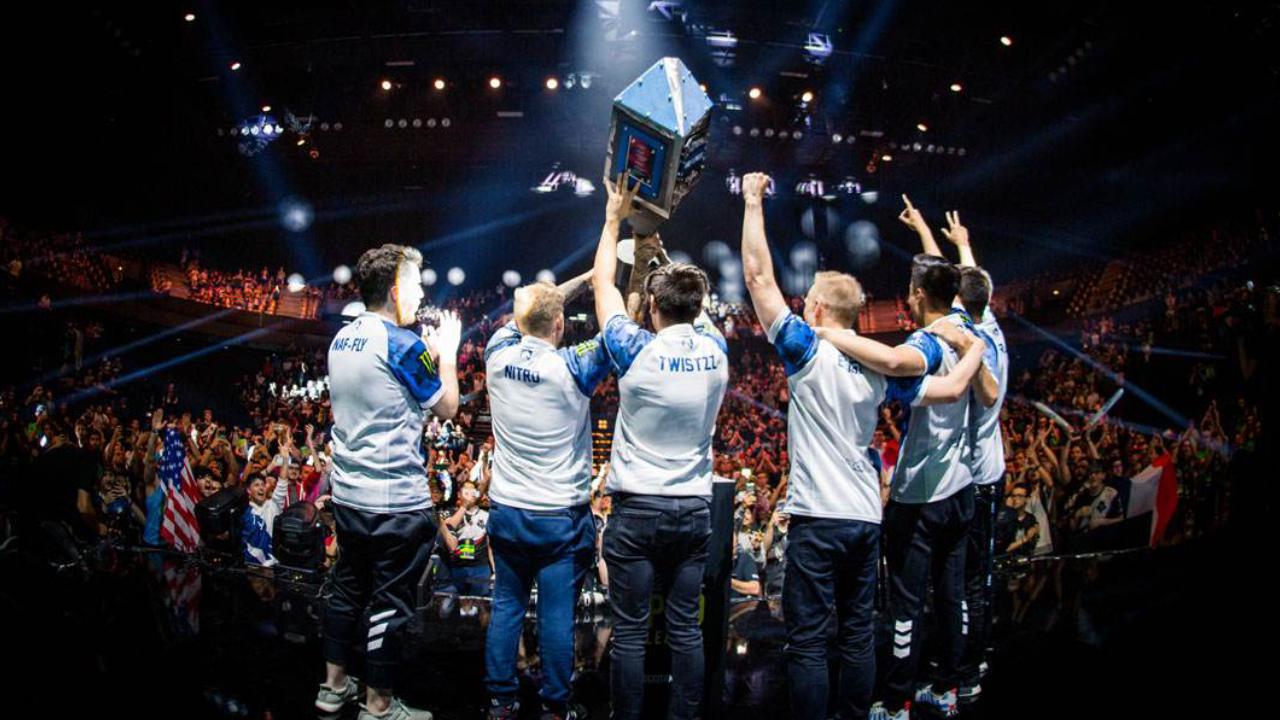
In this piece, we’ll cover the main factors that can help the pros solidify their place in the history books of modern esports.
Competitive Performance is the Heart of a Professional Legacy
Good tournament results are the foundation of any esports career. Dota 2, Counter-Strike 2, Valorant, League of Legends - it is wins in big championships that determine a player's prestige. When a player wins a big event, he or she gets to earn a big prize, gain notoriety and increase his/her position among other professional players.
To build a legacy, professional players need to regularly play in the Major, the International, or the World Championships. But to be competitive at that level, you have to be in a top team. Take dota 2 pro teams, for example: most renowned players have played for well-known teams.
A good example is Dendi, who built his career at NAVI and became one of the most legendary esports players of all time. The secret is not one-time win, but long-term consistency.” A team could win a tournament once and then depart from the professional scene. In that situation, there can be no discussion of any legacy.
It takes years of consistent success to make a dent in esports. This is why professionals spend so much time practicing, assessing their performance and getting ready for matches. Also to be noted is the ability to adjust to the changes in the game.
The esports market is incredibly dynamic, new patches, mechanics and meta adjustments are regularly published, that keeps players constantly improving. Those that keep a high pace in esports are more likely to get a foothold at the professional level.
Esports Personal Branding: Engaging with Fans
In esports, a player’s reputation is as valuable as their results. Having a personal brand allows an athlete to stand out from thousands of other players. Social media, streaming platforms and video footage are as crucial as the performances themselves in building a player’s image today.
Regular broadcasts of ordinary matches help maintain interest in the player even outside of tournaments. Furthermore, streaming allows players to showcase their own playing style, share tips, and analyze key moments of matches. This lightens the professional atmosphere, takes the pressure off the player and creates a closer bond between the player and their audience.
Professional players post content about training, the team's backstage life, or tournament preparation, which makes them closer to fans. This is especially true for younger players just starting out, and it will help them become more popular more quickly.
Another aspect is cooperation with brands. Esports players, like professional athletes, often become ambassadors of well-known companies. In the case of gaming, these are manufacturers of equipment, game accessories or energy drinks. This brings additional income and enhances player recognition.
Eventually, a personal brand might become a business in itself - offering training courses or forming its own team. It is also important to maintain a professional reputation. Negative behavior or conflicts do not bring positive effects.
Teamwork, Leadership, and Influence on the Game Meta
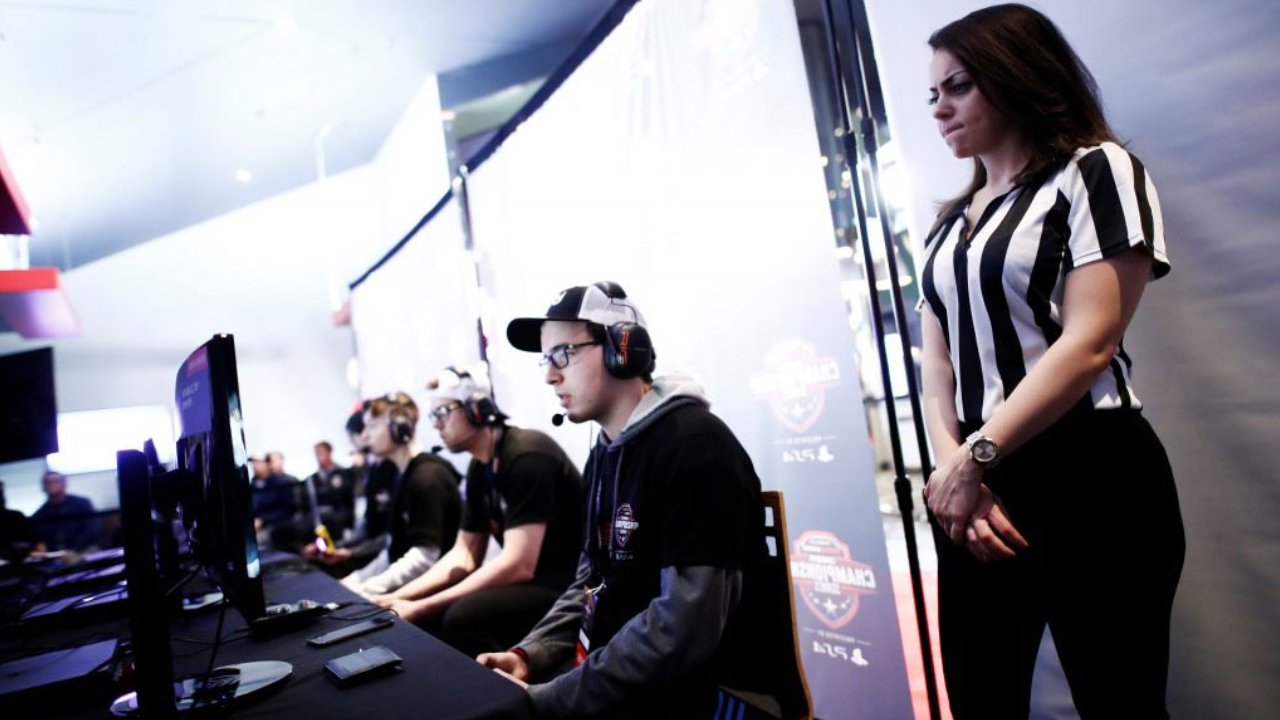
Most esports disciplines are team-based, and the ability to work together is one of the most important criteria for getting the best outcomes. Mechanical talents are definitely vital in Dota 2 or Counter-Strike 2 but coordinated action and good communication between players can win you a game against good players.
It is an advantage if a player possesses leadership qualities. Players who can take responsibility for the team's strategy or morale often become central to a team's success. It is precisely these esports players who help their teams cope with pressure at crucial moments, devise new strategies, and define their team's style of play.
Some professional players become famous for their skill in playing specific heroes or for devising new strategies. For example, Dendi himself became famous for his hook on Pudge at the fountain during The International 3, which helped turn the game around and secure victory.
Similarly, CS player simply made a name for himself by creating several memorable moments, to the point that the developers dedicated several graffiti tags to him on the maps. Team stability is also of great importance.
Frequent changes in composition are detrimental to synergy and performance and good compositions are characterized by long-term cooperation. Professional teams spend a lot of time on joint training, match analysis, and the development of internal communication.
Longevity, Adaptation, and Post-Career Impact
The longevity of a career is one of the most important factors determining the legacy a player leaves behind. Competition in esports is extremely fierce, and the best performance is usually reached between the ages of 20 and 25; it is difficult to remain at the top for many years. But the ones who can hold their shape for a long time become real legends.
Physical and mental preparation is also an important part of it. Unlike their predecessors, today’s esports athletes pay close attention to their daily routines, physical exercise, and psychological well-being. It keeps them playing at a higher level longer and fit.”
The industry also provides many players with successful careers as coaches, analysts, commentators and team managers. Some run academies or work with new arrivals. So their role in advancing e-sports is more than just their performance on stage.
Final Thoughts
You now know how to build a legacy in contemporary-day esports. It’s a hard process, and it’s so much more than simply playing the game and winning tournaments. "Professional players are made through consistent results, a recognizable personal brand, a strong team, and the ability to adapt to change.
Setting up a strong esports legacy is a long-term effort that requires self-discipline and dedication. Esports players who combine the above attributes write their names in the history of the industry, become role models for future generations of gamers and determine the course of professional gaming.
Moderator, NoobFeed
Latest Articles
No Data.