
Why SAROS Struggled to Match Sony’s Big Expectations?
Early SAROS sales predictions have raised questions about PlayStation exclusives, AAA expenditures, and Sony's strategy in a rapidly shifting game market.
Opinion by Maisie Scott on May 22, 2026
Sony entered this generation believing blockbuster exclusives would continue carrying the PlayStation brand the same way they did during the PS4 era. Massive cinematic adventures, polished first-party releases, and premium single-player experiences became the company’s identity for years.
But now, one of PlayStation’s newest exclusives is finding itself at the center of a much bigger conversation—and according to the sources, the early signs surrounding SAROS are not exactly encouraging. The online conversation went crazy when data showed that SAROS is currently selling behind Returnal, the 2021 roguelike shooter from Housemarque that gained a lot of fans in the PS5's early days.
.jpg)
While the figures reported are not official Sony numbers, a lot of players and folks following the business are watching the pattern they appear to show very closely, and this pattern has made a lot of people really wonder if PlayStation's expensive approach of only releasing one game at a time is starting to lose steam.
According to the sources, SAROS is estimated to have sold slightly over 300,000 copies in its first two weeks on the market, with nearly one-third of those sales reportedly coming from pre-orders. Revenue estimates currently put the game at around $22 million. For a smaller project, that might sound respectable. But SAROS was not positioned as a small project.
It arrived carrying the weight of a premium PlayStation exclusive, with a reported development budget that may have exceeded $76 million before marketing costs were even factored in. And that is where the pressure starts building. Modern AAA game development has become incredibly expensive.
Games now take five, six, or even seven years to produce, with budgets climbing closer to Hollywood blockbuster territory.
According to the sources, many industry observers believe SAROS may have cost significantly more than its estimated production budget once advertising, publishing, and post-launch expenses are fully counted. In other words, even decent launch sales may not be enough to satisfy Sony’s long-term expectations for the project.
What makes the conversation more complicated is the comparison to Returnal itself. When Returnal launched in April 2021, the PlayStation 5 was still brand new. The console’s library was relatively small, and early adopters were actively searching for major games to justify buying the hardware. Returnal was released at a fortunate time, becoming one of the first major PS5 exclusives to truly showcase the console’s features, such as the DualSense controller and speedy SSD loading.
The market is very different in 2026. More than 80 million PS5s have been sold worldwide, it is said, but players’ habits have changed along with it. Gamers now split their time between huge open-world RPGs, live service games, subscription libraries, independent hits, and PCs that are getting faster and better. Now more than ever, it's hard to keep someone's attention.
That changing environment appears to be affecting how players respond to exclusives like SAROS.
According to the sources, one of the biggest criticisms surrounding the game is how closely it resembles Returnal in overall structure and gameplay design. Many online players have described SAROS as more of a Returnal variation than a bold new experience.
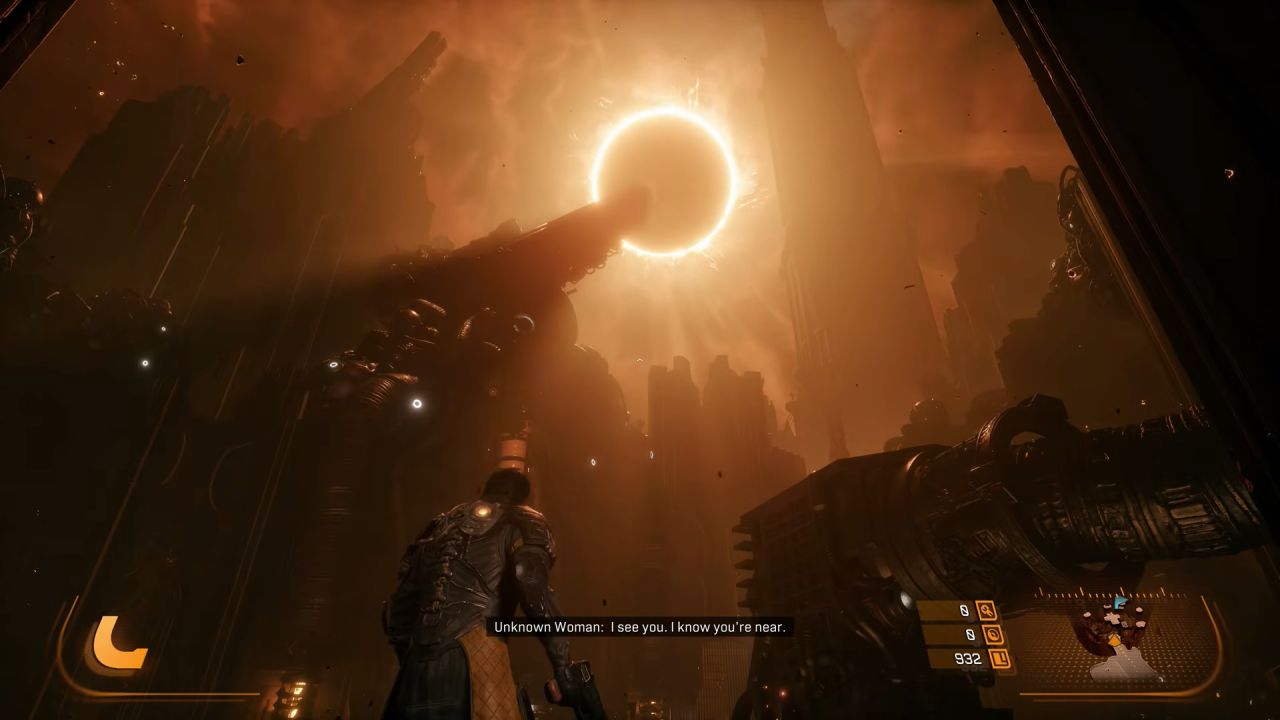
The roguelike mechanics, death loops, and familiar progression systems immediately brought to mind Housemarque’s previous title, causing some fans to wonder if Sony had delivered enough evolution to justify another full-priced release of the same style. For some players, the problem is not necessarily that SAROS resembles Returnal. The issue is that Returnal itself already appealed to a fairly niche audience.
Roguelike and roguelite games often build passionate fanbases, but they do not always attract the broad mainstream attention that Sony’s biggest exclusives typically aim for. That's even clearer when you look at how games are taking over other parts of the business right now. Sources say that titles such as Crimson Desert and Resident Evil Requiem are attracting a lot of attention because they offer experiences that feel bigger and more open to more people.
Open-world adventures, well-known franchises, and movies are still very popular with most people.
On the flip side, SAROS encourages players to enjoy repeating because it’s part of the fun. In this game, death is a key part of the loop. To get better over time, players keep starting runs again and returning to previous locations. It adds to the excitement and makes the game fun to replay for fans of the genre. But those who shell out $70 for a pricey PlayStation exclusive may not feel quite so compelled. The price has also become a talking point.
Sources say that more and more gamers are wondering whether every AAA release really needs to be a blockbuster, especially in genres where smaller independent companies already rule. In the past, roguelike games have done very well in the independent scene, where games often launch at much lower prices yet still offer hundreds of hours of gameplay.
That debate becomes even more intense once the PC conversation enters the picture. According to the sources, many industry observers believe Sony may be limiting its own sales potential by continuing to delay PC releases for certain exclusives. The PC gaming market has expanded dramatically over the past several years, with Steam continuing to grow at a pace that few traditional console companies can ignore anymore.
Many players who once focused entirely on PlayStation or Xbox now spend most of their time gaming on PC instead.
Helldivers 2 was one of Sony's biggest hits, in part because it launched simultaneously on PS5 and PC. The game exploded online, built a huge multiplayer following, and continued to thrive because it wasn’t tied to a single ecosystem. Some analysts now believe that SAROS could have done better with the same approach rather than being limited to PlayStation hardware, according to sources.
Sony itself seems to be stuck between two faces right now. On the one hand, Sony still wants PlayStation-only games to feel special and important enough to make people want to buy the system. Meanwhile, the gaming industry is moving toward more accessible platforms that can be used across games. That balancing act is getting harder and harder.
.jpg)
The conversation surrounding SAROS has also reignited broader concerns about PlayStation sequels in general. According to sources, several recent Sony follow-ups have struggled to recapture the explosive momentum of the original games that launched their franchises.
While titles like God of War Ragnarök and Ghost of Yōtei still sold strongly overall, comparisons against earlier franchise highs have fueled discussions about whether modern PlayStation exclusives are starting to lose some of their cultural impact. At the same time, Sony’s development costs continue climbing higher with every generation.
That means games no longer need to simply succeed critically — they need to become major long-term commercial wins to justify the money being spent on them. And that may be the biggest issue hanging over SAROS right now. Even if the game eventually builds a loyal audience through discounts, updates, or future PC releases, its early performance has already become symbolic of a much larger industry shift.
The era in which exclusives alone guaranteed massive momentum may no longer exist as it once did. Players have more choices, more platforms, and more ways to spend their time than ever before.
For PlayStation, that reality creates difficult questions moving forward. Can Sony continue investing nearly $100 million into niche premium exclusives and expect blockbuster-level returns? Should the company accelerate its PC strategy to reach larger audiences more quickly? And perhaps most importantly, are gamers still buying consoles primarily for exclusives anymore—or has the industry already moved beyond that model entirely?
Right now, SAROS may only be one game. But the conversation surrounding it feels much bigger than a single release. It feels like a glimpse into the growing pressure facing PlayStation as the gaming industry changes faster than some of its biggest companies expected.
Editor, NoobFeed
Latest Articles
No Data.