
AMD Adrenalin 26.5.2 Drivers Bring Hidden RX 6750 XT Clock Changes and FSR 4 Updates
New Adrenalin drivers improve performance slightly in recent games while unresolved crashes still affect select applications.
Hardware by Shinji Okazaki on May 16, 2026
After more than a month between driver updates, AMD has provided the updated Adrenalin 26.5.2 drivers. The update is one of the more short-term follow-ups since version 26.5.1, which came out about a week ago. The drivers include support for upcoming games, fixes for problems with the Radeon RX 9000 series, and some under-the-hood changes that AMD never officially announced.
The drivers are WHQL-certified, support upcoming games, fix problems with the Radeon RX 9000 series, and include a few under-the-hood changes that were not officially announced by AMD. One of the big questions about these drivers is how AMD stealthily modified clock behavior on a select group of GPUs, notably the RX 6750 XT.
The New Game Support Play will be Available Early
Now the core clocks are higher, and the VRAM clocks are lower, leading to much higher power consumption. The GPUs are unchanged, but the behavior is odd for a driver change, and it has raised concerns about temperatures, noise, and efficiency with lower-end cooling solutions. Among the upcoming titles, Forza Horizon 6 and 007: First Light will be presented.
The fact that neither game has been released is noteworthy, given that AMD typically doesn't release drivers for unreleased titles this early. As in recent releases, the drivers have been further developed to support FSR4. AMD announced that FSR4 will be available on older GPUs in the future, including the RX 6000 series.
Previous projections had been primarily for RX 7000 GPUs because they can handle INT8 instructions more efficiently with WMMA. FSR4 is built to support FP8, while older RDNA2 GPUs that don't support FP8 will work with INT8.
AMD is expected to officially support FSR4 INT8 on RDNA2 chips sometime next year, the company announced. RX 7000 series GPUs can be more efficient at processing INT8 workloads thanks to the addition of WMMA instructions, which could be the reason behind the delayed launch of the RDNA2 cards.
Adrenalin 26.5.2 Has Been Released to Fix Some Issues
In this driver release, AMD has added two major fixes. The first is a fix for intermittent crashes when applying during play, and the other is a fix for driver timeout when playing RoadCraft on Radeon RX 9000 series GPUs. Several users have reported crashes, stutters, and performance issues in the game before. AMD now says that those problems have been fixed.
In the second patch, the Satisfactory corruption problem on Radeon RX 9000 graphics cards is fixed. This update fixes this problem, which had been a bigger issue with drivers in the last few versions, especially on computers experiencing visual corruption.
While the release notes are brief, several changes that occurred under the hood remain in these drivers. Even if the improvement is not significant, it is evident in a few games after testing.
No New Known Issues for this Release as Yet
Even though there are a few unanswered questions in the driver notes, AMD is still excited about these changes. The first problem is the occasional crashes or driver timeouts in Battlefield 6 on Ryzen AI Max+ 370 systems. This problem has been around for a while, but it isn't apparent to everyone. Another known problem is that Battlefield 6 cannot stream or record with textures enabled on some Radeon GPUs when AMD Record and Stream is enabled.
AMD further states that FSR upscaling and frame generation might be disabled in the Adrenalin software, though they are actually active in Battlefield 6 on the RX 9000 series. However, when tested, FSR4 seemed to work fine with the latest drivers, though it had a few issues. In version 26.3.1, the same incorrect FSR update issue was also present. Both 26.5.1 and 26.5.2 seem to have fixed this issue.
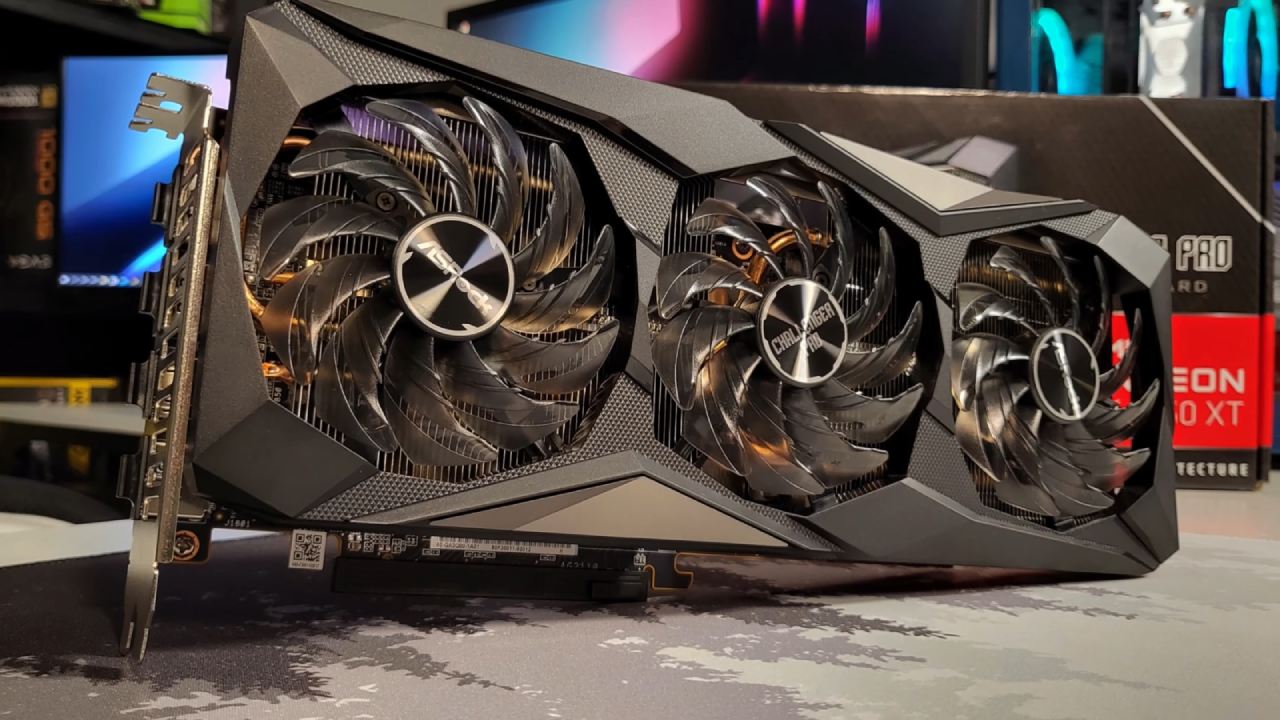
FSR File Modifications can Modify Files
AMD adds that some games use optimized FSR files, which may prevent Adrenalin software from automatically updating them. If the developers have significantly modified the DLL versions, the software may not be able to inject newer versions of the DLLs.
In single-player mode, the user can manually copy the DLL file or use Optiscaler to circumvent the restriction. Otherwise, the automatic update will not work properly. The gains aren't huge, but they show progress towards further optimizations within the newer driver branch.
Blender crashes are still a known issue with RX 7000 series graphics cards and later. Users with problems are still recommended to revert to Adrenalin 26.3.1. Blender testing with the RX 9070 found no significant issues during render tests; a few users reported instability depending on their configurations.
There is still a list of known issues for RX 9000 series cards, which includes Subnautica and Marvel Rivals. If crashes occur in either title, AMD suggests switching back to 26.3.1. According to some users, Marvel Rivals' instability was so prevalent that AMD addressed the problem officially in the release notes. Certain games show performance improvements, but not all of them.
Some games show performance improvements, but not all. The new drivers were tested across a variety of games and showed a modest FPS increase in a handful of them. Although this is not the main focus of this driver release, games like Pragmata and Crimson Desert performed slightly better.
RX 6750 Clock Behavior is a Concern
RX 6750 XT is one of the more unusual of those changes in the RX drivers. In the past, the standard GPU core clock was around 2.5 GHz with power usage around 160W to 170W when gaming. The core clock is now increased to closer to 2700MHz with the newer drivers, while VRAM's frequency drops by about 50MHz. This makes for power draws of over 200W.
The boost in performance from these higher clocks seems minimal, and the extra power seems hard to justify. Lower-end cooling systems can be warmer and noisier. The changes do not seem to be associated with sensor reporting errors. Test results indicate that the clocks were directly adjusted by the driver. If users are not manually overclocking their RX 6000 series GPUs, they should check whether other models are experiencing the same issues.
Adrenalin 26.5.2 drivers primarily focus on stability fixes, early-game enhancements, and backend tweaks.
The changes in the release notes have been minor, but some behavior changes on some GPUs suggest a more fundamental internal change is still underway at AMD.
From the user's point of view, the drivers seem stable and provide a small speed boost for newer games. However, some computers might not be able to handle running their current Blender, Marvel Rivals, and some RX 9000 workloads on older driver versions right now because of problems that haven't been fixed.
Editor, NoobFeed
Gaming Hardware Updates
No Data.