
AMD’s Upcoming APU Outperforms the 9070 XT with RDNA 5 Power
Magnus APU showcases AMD’s leap in integrated performance with RDNA5 architecture and more cores than the 9070 XT.
Hardware by Masaru Hoshino on Oct 15, 2025
Ray tracing has been one of the biggest visual revolutions in modern gaming, offering realistic lighting, reflections, and shadows. Nearly every major release today includes it, often as a core feature.
Some games even require GPUs with hardware ray tracing support because they use it by default, leaving no option to disable it. Yet, despite its popularity, one major title has gone in the complete opposite direction — Battlefield 6.
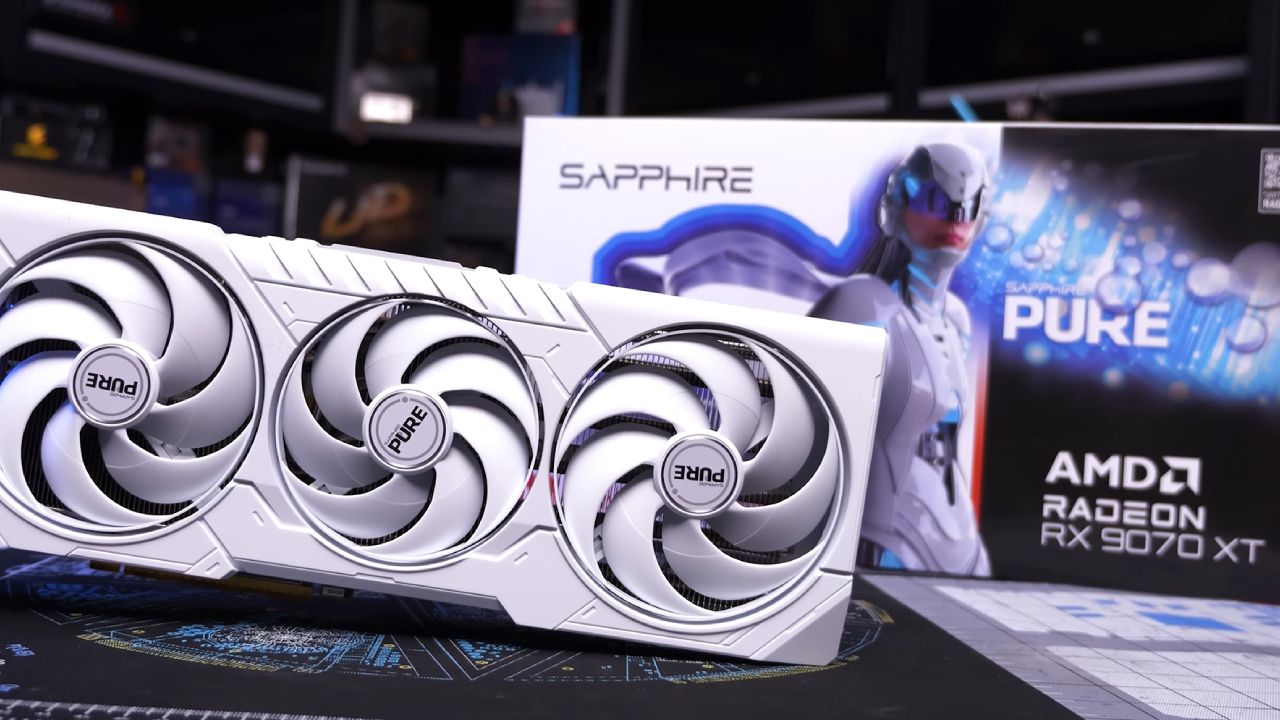
Battlefield 6 Drops Ray Tracing for Performance
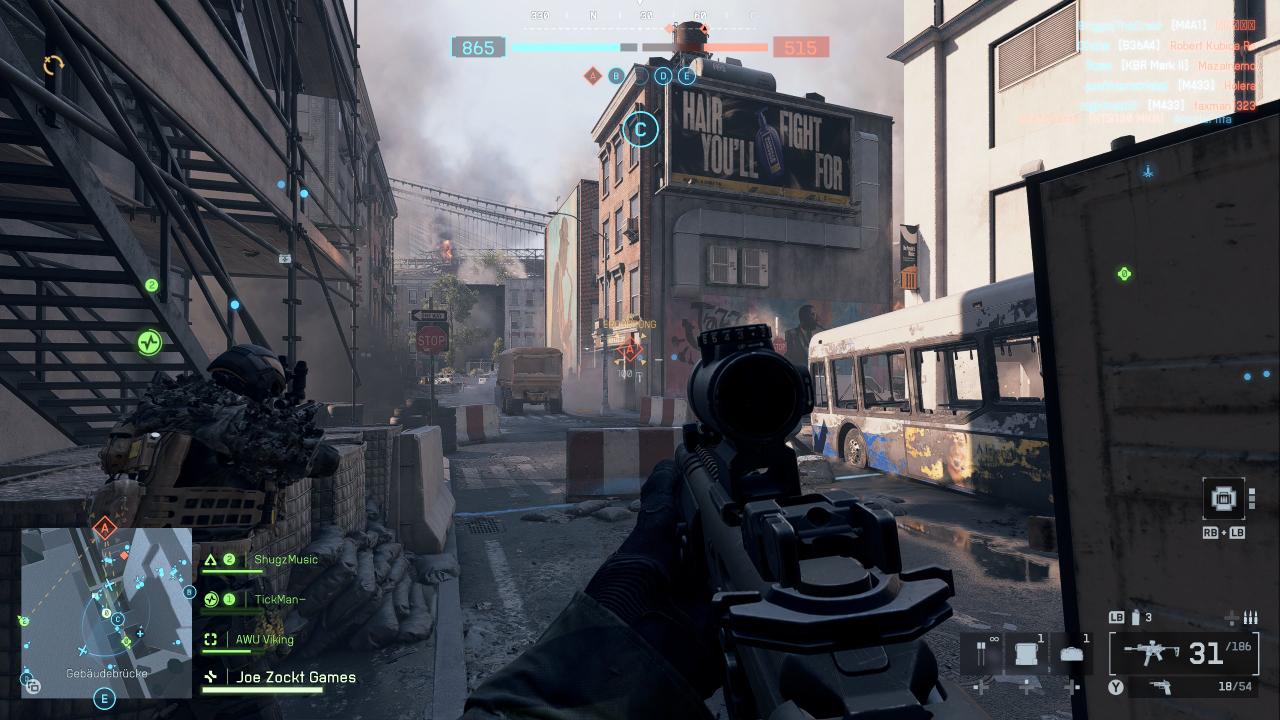
Battlefield 6 has officially launched without ray tracing support, and there are no plans to include it in the near future. That's not an oversight — it's a deliberate design choice. A technical director from one of the studios confirmed, "We wanted to focus on performance. We wanted to make sure that all of our effort was focused on making the game as optimized as possible for the default settings and the default users."
And it shows. Benchmarks clearly highlight the benefits of this approach. For instance, the 9060 XT at 1440p manages around 60fps even on the "overkill" preset. The 1% lows do drop, but overall, performance remains impressive. When dropping to 1080p high settings, most GPUs maintain solid frame rates, showing that focusing on optimization pays off.
One major takeaway is how 8GB of VRAM is no longer sufficient for modern titles. Even at 1080p, cards like the 5060Ti 8GB exhibit strong average frame rates but significantly lower 1% lows— 37 fps in some cases. By comparison, GPUs with more than 8GB of VRAM maintain smoother consistency across all presets.
Performance Comparison: Battlefield 6 vs Borderlands 4
When comparing Battlefield 6 to another recent title, Borderlands 4, the difference is staggering. Borderlands 4, which supports ray tracing, struggles at 1080p "badass" settings, with the 4060Ti 16GB averaging around 35.7 fps. Meanwhile, Battlefield 6 at 1080p "overkill" shows the same GPU hitting 84fps — more than double the performance.
While the two games differ in style and engine, this stark contrast highlights the trade-off between visual fidelity and playability. By focusing on pure optimization instead of additional ray tracing workloads, developers can deliver smoother gameplay without drastically compromising visuals.
Battlefield 6 proves that games don't necessarily need ray tracing to look stunning or sell well. Its success suggests that more studios might start weighing the pros and cons of including ray tracing by default.
Future of Ray Tracing
Ray tracing isn't disappearing entirely. It still represents the next leap in graphics fidelity, but widespread adoption depends on advances in hardware. Until GPUs can handle ray tracing without such steep performance penalties, developers will likely be more selective about when and how they use it.
For now, this is great news for anyone planning to upgrade their GPU. It means we can expect more games optimized for traditional rasterization, allowing even mid-range systems to perform well without requiring expensive hardware.
AMD Delivers Again: AM5 and Zen 6 Support
In other major news, AMD is once again demonstrating its commitment to long-term platform support. AM5 will officially support multiple future generations, including Zen 6 CPUs. This has been confirmed by ASUS, whose marketing materials for the new B850 motherboards explicitly list Zen 6 Ready. Similarly, ASRock confirmed Zen 6 readiness in a video showcasing their upcoming mid-range boards.
This mirrors the success of AMD's AM4 platform, which supported numerous CPU generations on the same socket. While Intel continues its trend of frequent socket changes, AMD's approach helps users keep their systems relevant longer, reducing upgrade costs and increasing value.
AMD's Next-Gen APU: A Monster in the Making
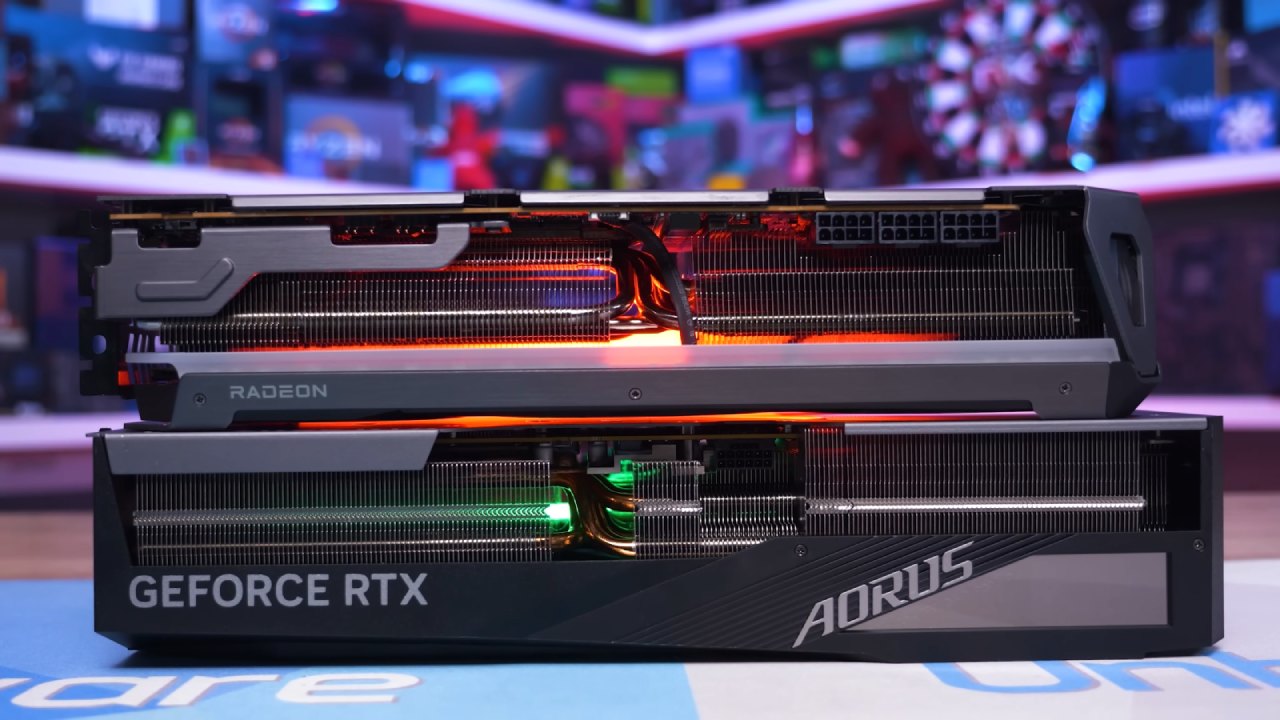
Perhaps the most exciting reveal is AMD's upcoming APU, reportedly more powerful than the 9070 XT. Codenamed Magnus, this chip is rumored to power Microsoft's next-generation Xbox and is shaping up to be an absolute powerhouse.
Leaked specifications suggest a massive 408mm² die — around 30% larger than current console APUs — and a 250–350W TDP. It's built on the RDNA5 architecture with a staggering 68 CUs, disabled from a total of 70. That's more compute units than the 9070 XT, meaning this APU could potentially outperform it.
It doesn't stop there. The chip reportedly includes: 24MB of L2 GPU cache, 11 total CPU cores (3× Zen 6 cores and 8× Zen 6C cores), 12MB of L3 cache, 192-bit memory bus with up to 48GB of GDDR7 memory, NPU performance up to 110 TOPS at 6W or 46 TOPS at 1.2W.
The Magnus APU could change the way console and integrated graphics work with a planned launch window in 2027. If AMD decides to make a consumer version, it might have a big effect on the discrete GPU industry.
Final Thoughts
Ray tracing might not be doomed, but it's certainly being re-evaluated. Battlefield 6 and other games show that focusing on optimization and performance may make the game much better than chasing cutting-edge graphics at the expense of seamless gameplay. AMD is once again leading the way in both value and performance, as seen by its continuing innovation, which includes adding support for AM5 and creating a huge APU.
As we get closer to the next generation of gaming technology, we will probably see a balance between realism and efficiency. And with hardware like AMD's new APU, that balance might finally be possible.
Also, Check Our Other AMD articles:
- AMD Ryzen 9 9950X3D Review: Setting The Standard For 2025 Gaming CPU
- AMD Ryzen 7 9800X3D Review: 3D V-Cache Goes God Mode with Stunning Gaming Performance
- AMD RX 9070 Performance Review: Thermals, Clocks, and Real-World FPS
- AMD Ryzen 5 7600 Review: Best Budget Gaming CPU of 2025?
- AMD Radeon RX 7800 XT Review: RDNA 3 Power For Midrange Gaming
- Sapphire NITRO+ AMD Radeon RX 9070 XT Review: The Ultimate 4K Gaming GPU
- AMD Ryzen 7 7800X3D: Delivers Gaming Performance Far Beyond Expectations
- AMD Ryzen 9 7900X Review: Powering the AM5 Era with DDR5 & PCIe 5.0
- ASRock Radeon RX 7800 XT Challenger OC Review: Best Price-to-Performance GPU of 2025
- Intel Core i9‑14900K vs. AMD Ryzen 7 7800X3D: Power Profiles & Gaming Benchmarks
Editor, NoobFeed
Gaming Hardware Updates
No Data.