
AMD Ends RDNA 1 and RDNA 2 Driver Support, Leaving Gamers Frustrated
AMD’s decision to end RDNA 1 and RDNA 2 game optimization support creates widespread disappointment among Radeon users and industry observers.
Hardware by Tanvir Kabbo on Nov 04, 2025
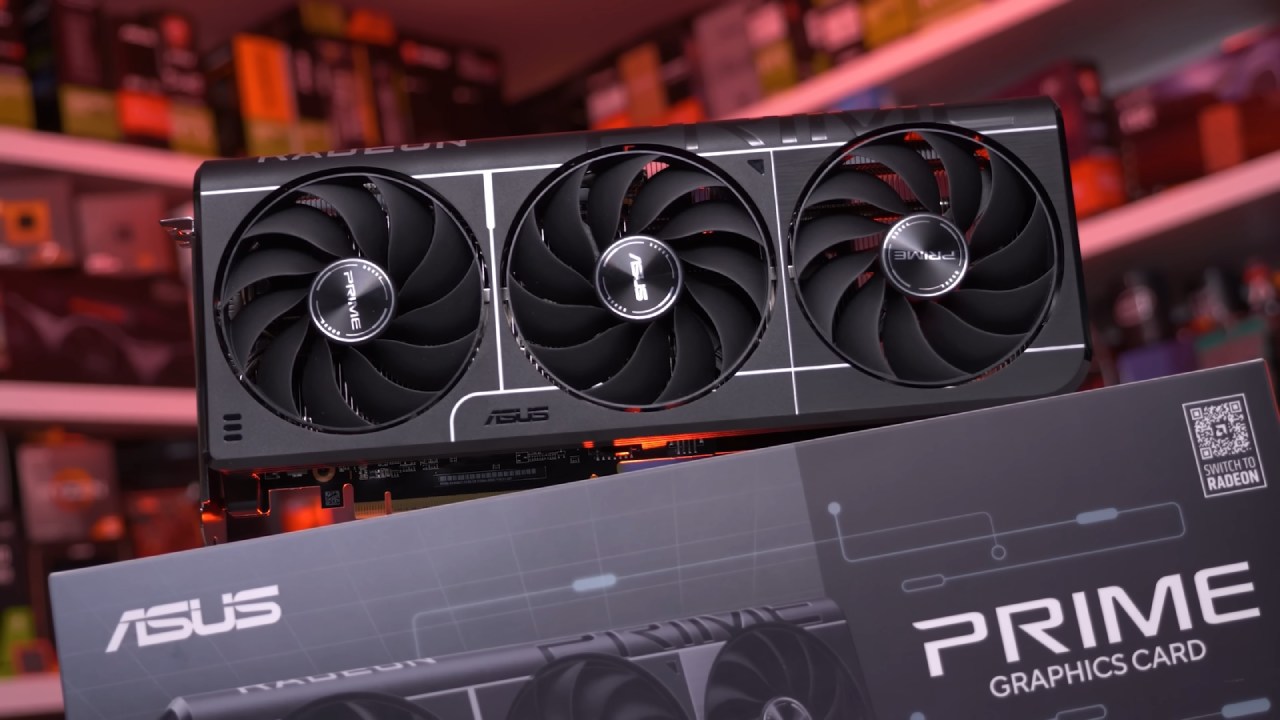
AMD's Radeon division has made one of the most controversial decisions in recent years. Just as the company was rebuilding its image with the successful launch of the RX 9000 RDNA 4 GPUs, it has effectively ended driver support for RDNA 1 and RDNA 2 graphics cards by ceasing to provide game-specific optimizations.
Considering that RDNA 2 GPUs could still be purchased brand new from retailers as recently as 2025, this move has been widely viewed as both disgraceful and unacceptable.
Driver Split and What It Means
The first signs of this decision appeared in AMD's latest driver release notes, version 25.10.2. Hidden within the "Important Information" section was a key statement indicating that new game support and expanded Vulkan extensions would only be available for Radeon RX 7000 and RX9000 series products. In other words, RDNA 1 and RDNA 2 owners would no longer receive new game optimizations.
AMD later confirmed to PC Games Hardware that RDNA 1 and RDNA 2 GPUs would continue receiving only critical security and bug-fix updates. The company stated that its focus would shift toward optimizing and delivering new technologies for the latest GPUs. This marks the official transition of the Radeon RX 5000 and RX 6000 series into maintenance mode. Future game optimizations will now target only RDNA 3 and RDNA 4 models.
To make this change possible, AMD split its driver package into two separate components. Those with RDNA 3 or RDNA 4 GPUs, such as the RX 9070 XT, receive a driver labeled with "RDNA 3" in its file name, which is approximately 93MB in size. Meanwhile, RDNA 1 or RDNA 2 owners, like those using an RX 6600, are directed to a slightly larger version tailored for older hardware.
A combined 1.6GB package is also available, but it merely includes both branches without shared optimization. Before this update, all RDNA generations were supported under a single driver file of about 900MB, which contained unified game optimizations.
RDNA 2 GPUs Are Far from Obsolete
The most perplexing part of this decision lies in the fact that RDNA 2 GPUs are not particularly old or weak. The first RDNA 2 models, the RX 6800 and RX 6800 XT, launched in November 2020. AMD continued to release new variants well into 2022, including the RX 6750 XT, 6650 XT, and 6950 XT. Even more recently, in October 2023, AMD launched the RX 6750 GRE, marking the last RDNA 2 desktop GPU release—just two years ago.
Ending optimization support for products launched in late 2020 is already questionable. Ending it for GPUs released only two years ago is simply unreasonable. To make matters worse, RDNA 2 cards are still available from major retailers today. Consumers can still purchase models like the RX 6600 and RX 6500 XT, meaning they're buying hardware that's instantly unsupported for new games.
At the start of 2025, the RX 6600 was still one of the best budget GPUs available for around $200 in the US. Its discontinuation from optimization updates within the same year makes the decision even more frustrating. These cards can still handle new games. The RX 6600 can easily run Battlefield 6 at 1080p 60fps with medium to high settings.
The RX 6800 XT and RX 6950 XT are two of AMD's higher-end models that outperform some of the company's newest GPUs, such as the RX 9060 XT. The RX 6700 XT, equipped with 12GB of VRAM, competes closely with Intel's Arc A580, while still maintaining strong performance in the latest releases.
Broader Implications for AMD Customers
There is no valid technical justification for cutting off game optimization support. RDNA 2 GPUs remain fully capable of running modern titles. In fact, poorly optimized releases from 2025, such as Borderlands 4, still see the RX 6950 XT achieving 60fps at 1440p medium settings. These cards are not outdated in any meaningful way.
Additionally, AMD's former advantage of having more VRAM now seems less significant. The RX 6800 had 16GB of VRAM, whereas the RTX 3070 had only 8 GB of VRAM. This was during the RDNA 2 era. This should have helped AMD buyers in the long run, as newer games required more VRAM. However, that benefit is erased when AMD stops optimizing drivers before those advantages can even be realized.
From a competitive standpoint, Nvidia now looks significantly better. The company still provides game-ready optimizations for GPUs as old as the RTX 20 series, launched in 2018. That's at least 7 years of continued support, and Nvidia only just ended updates for the older Pascal-based GTX 10 series after nearly 9 years. In contrast, AMD's decision effectively limits RDNA 2 support to about 5 years, or even less for some later models.
Nvidia may focus on newer architectures while making optimizations. Still, the company says publicly that its game-ready drivers correct and improve all supported models. Nvidia has discontinued support for Pascal and Maxwell GPUs in gaming. Still, it has promised to continue providing quarterly security patches for an additional three years. AMD's similar approach—executed much earlier in the product lifecycle—leaves RDNA1 and RDNA2 users at a major disadvantage.
Damaging Radeon's Reputation and Customer Trust
AMD has long struggled with public perception regarding driver reliability. For years, enthusiasts have defended Radeon software stability, pointing out that claims of "bad AMD drivers" were outdated or exaggerated. Unfortunately, this new development gives critics concrete evidence. Nvidia can now boast objectively longer driver support, reinforcing a reputation for superior post-purchase reliability.
For loyal Radeon users who bought RDNA 1 or RDNA 2 cards during difficult times, this move feels like a betrayal. During the GPU scarcity, many people purchased AMD cards at high prices, believing they would last. AMD has pretty much given up on them now, just a few years later.
This choice makes people less likely to trust the Radeon brand and creates big questions about future purchases. Suppose AMD stops supporting RDNA4 GPUs this rapidly. How long can customers expect them to remain available before they are no longer supported?
The impact isn't limited to desktop GPUs either. RDNA 2 architecture powers many AMD APUs, including those still being sold today. Devices using custom Zen 2/RDNA 2 chips—like handheld gaming PCs—depend on continued game optimizations. AMD even rebranded several RDNA2 APUs in 2025 under the Ryzen 100 and Ryzen 10 series.
Yet, these new chips now fall under the "unsupported" branch. We've asked AMD for clarification about how these APUs will be handled, but so far, there has been no clear response.
Long-Term Consequences
The fallout from this decision affects not only current Radeon owners but also the resale market. Second-hand RX 6000 GPUs will lose value significantly without ongoing optimization support. This creates an indirect cost for consumers, making Nvidia cards more attractive on the used market. When considering total ownership value, including resale, AMD's shorter support period becomes a serious disadvantage.
We strongly believe that game optimization support should last at least 7 years, which aligns with Nvidia's approach and the typical lifespan of a console generation. The PlayStation 5 was released in 2020 and will remain fully supported until 2025. People should expect their PC hardware to last as long as their other investments.
It seems like a step back that AMD decided to stop supporting it so soon after its release. It brings back memories of the "bad old days" when the Radeon division made decisions that hurt its users. Sadly, this is one of those times. If AMD doesn't change its mind, this strategy could undo years of work and undermine its efforts to regain the trust of gamers and PC enthusiasts.
We'll be keeping a close eye on AMD to see whether it responds to the community's anger or clarifies its position. For now, this move is really disappointing, and we can't suggest Radeon GPUs until we know for sure that they will get long-term driver support.
Also, check our other AMD articles:
- AMD Ryzen 9 9950X3D Review: Setting The Standard For 2025 Gaming CPU
- AMD Ryzen 7 9800X3D Review: 3D V-Cache Goes God Mode with Stunning Gaming Performance
- AMD RX 9070 Performance Review: Thermals, Clocks, and Real-World FPS
- AMD Ryzen 5 7600 Review: Best Budget Gaming CPU of 2025?
- AMD Radeon RX 7800 XT Review: RDNA 3 Power For Midrange Gaming
- Sapphire NITRO+ AMD Radeon RX 9070 XT Review: The Ultimate 4K Gaming GPU
- AMD Ryzen 7 7800X3D: Delivers Gaming Performance Far Beyond Expectations
- AMD Ryzen 9 7900X Review: Powering the AM5 Era with DDR5 & PCIe 5.0
- ASRock Radeon RX 7800 XT Challenger OC Review: Best Price-to-Performance GPU of 2025
- Intel Core i9‑14900K vs. AMD Ryzen 7 7800X3D: Power Profiles & Gaming Benchmarks
Senior Editor, NoobFeed
Gaming Hardware Updates
No Data.