
AMD Skips High-End Again? RDNA 5 AT0 Rumors Explained
GDDR7 memory pricing pressures could influence AMD’s decision on flagship gaming GPU launches.
Hardware by Nahe Yan on Mar 03, 2026
There are rumors about AMD's future RDNA5 architecture that have people worried the firm will stop directly competing with Nvidia's halo-tier GPUs again. Rumors say that the AT0 flagship die, which was supposed to power a high-end Radeon RX 10,000 series card, would be scrapped for client gaming and instead used only in data centers and high-performance computing applications. If this is accurate, Nvidia's RTX 6080 and RTX 6090 would have no direct competitors at the top of the gaming market.
From an architectural standpoint, RDNA5 looks good. According to reports, AMD is improving ray tracing speed by updating radiance cores and adding universal compression to improve AI workloads. The design decisions on paper suggest real progress. But the worry isn't about skill; it's about how the product is positioned.
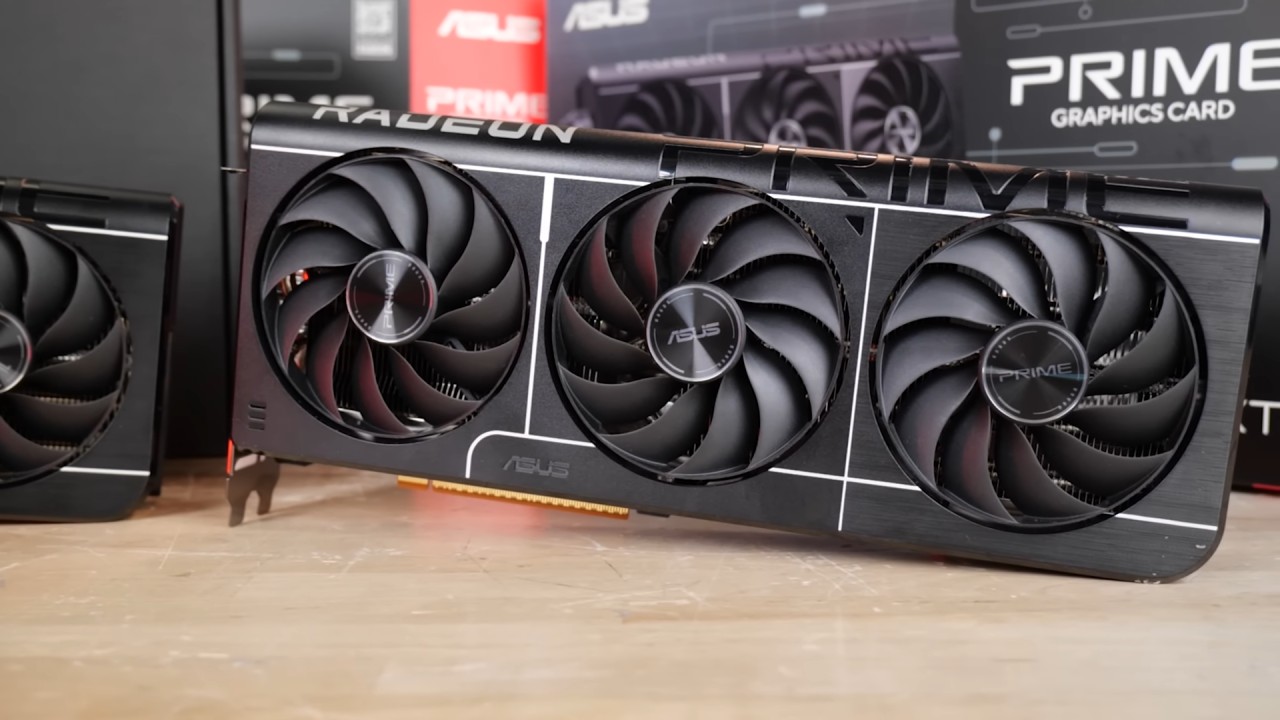
AT0 Setup and Breakdown of Compute Units
According to Moore's Law Is Dead, the highest-end AT0 silicon is predicted to have 184 compute units in its entire configuration. The gaming version, on the other hand, would feature 154 compute units, a smaller subset of the entire die. The specification is still significant, even at 154compute units.
The 82 die arrangement, which is said to have 64 compute units and GDDR7 memory, is below that. Compared to 154 compute units, 64 compute units have fewer than half as many shaders, meaning they have much less raw power. The 82-based card would be the best Radeon gaming GPU if AT0 isn't introduced for gamers.
Expectations for Performance and a Comparison with NVIDIA
Predictions for the 82-based product's performance suggest it might be about as good as the RTX 5080. Based on how architectural scaling has been going, an RTX 6070 might have performance close to an RTX 5080. NVIDIA might still have better ray tracing scaling because it has been focusing on that area.
If AMD doesn't come up with a card that competes with the RTX 6080 or RTX 6090, Nvidia will once again be the only company making halo GPUs. That would ease pressure at the high end and change how prices are set across the stack.
At this point, confirmation is still unknown. Several reports say AMD is highly focused on expanding its data center operations. Still, there is no clear evidence that AT0 has been completely removed from gaming plans.
No Medusa Halo or Roadmap
Medusa Halo is also a topic of conversation. There is a disagreement over whether to use a single 12-core package or two LP cores with 24 work-group processors, for a total of 48 compute units on a 384-bit bus. But some sources say that the latest roadmap snapshots do not include Medusa Halo.
There are a few plausible reasons. It might not be there due to roadmap fragmentation, timing of revisions, or delays within the company. A missing listing doesn't mean the cancellation is real, but it does raise some doubt.
Pricing based on Memory and Market Factors
The market's state also affects product choices. The price of GDDR7 is still driven by data center demand, and memory prices could change, potentially affecting GPU prices. AMD may shift its focus to higher-return areas if it finds that high-end GPUs can't be released at reasonable margins due to memory prices.
NVIDIA is likely to keep releasing RTX 60-series cards, regardless of the memory situation. Pricing changes will probably follow larger shifts in supply.
GPU prices have been rather stable lately, with small rises and some shortages becoming better. But memory prices could still rise, potentially affecting GPU prices in the future.
Console and Industry Background
Sony has said in financial talks that it doesn't want to raise the PlayStation 5's price directly. Instead, it plans to offset the costs through services such as subscriptions and digital purchases. That way of thinking aligns with what other companies in the sector are doing to be cautious about rising hardware prices amid market instability.
Reports say the RTX 50 Super series is no longer in the works, though. Even if the cancellation would not have a big effect on the overall portfolio, more VRAM on a hypothetical RTX 5070 Super could have helped it in its own area. There may have been a change in position for the 24GB RTX 5080 Super, but those versions don't seem realistic.
Final Thoughts
The patents and architectural disclosures from RDNA5 show that they are making structural modifications to improve ray tracing and AI processing. The architecture points in a direction aligned with what the industry needs right now. But it's still unclear whether AMD will use its biggest silicon in gaming.
If AT0 stays only in data centers, Nvidia will still be the only company in the gaming halo space. If AMD brings back full competition at the high end, the high-performance industry might become more balanced again. The next product announcements will determine whether RDNA5 becomes a full gaming stack or an architecture split to focus on business markets.
Also, check our other hardware articles:
- AMD Ryzen 9 9950X3D Review: Setting The Standard For 2025 Gaming CPU
- Amazon Luna 2025 Review: Is Prime Gaming's Cloud Service Your Go-To For Casual Fun?
- AMD RX 9070 XT Review: AMD's RDNA 4 Champion for 1440p Gaming
- GeForce Now Ultimate: Ditching Your Gaming PC For Cloud RTX 4080 Power?
- NVIDIA GeForce RTX 5080 Review (2025): Still A 4K Gaming Powerhouse?
- Intel Core Ultra 9 285K Review And Performance Breakdown (2025)
- AMD Ryzen 7 9800X3D Review: 3D V-Cache Goes God Mode with Stunning Gaming Performance
- Intel Core Ultra 9 285K vs AMD Ryzen 7 9800X3D: In-Depth Gaming Performance and Benchmark Comparison
- NVIDIA GeForce RTX 5080 Super Performance In Cyberpunk 2077: Path Tracing & DLSS 4.0 Tested
- AMD Radeon RX 9070 XT In Cyberpunk 2077: Ray Tracing & FSR 4.0 Tested
- Intel Arc B580 Review: The $250 GPU Revolutionizing 1440p Gaming
- Intel Arc B570 Vs. B580: Value, Specs, And Real-World Gaming Performance
- RTX 5090 Laptop Vs. M4 Max MacBook Pro: Ultimate Raw Performance Vs. Battery Endurance
- Intel Arc b580 Vs. RTX 4060: Game Performance And Value Analysis
- RTX5090 Hell Is Us Demo 4K Ultra Benchmark: DLSS Vs. Native Performance Guide
- NVIDIA RTX 5070 Review: Mid-Range Muscle or Marketing Hype?
- Nintendo Switch 2 Review: Handheld Performance, Features & Value Breakdown
- RTX 5070 Ti Review: Performance, Thermals & Power Efficiency Tested
- Samsung Odyssey OLED G81SF Review 2025: Ultimate 32-Inch QD-OLED Gaming Monitor
- AMD RX 9070 Performance Review: Thermals, Clocks, and Real-World FPS
- AMD Ryzen 5 7600 Review: Best Budget Gaming CPU of 2025?
- AMD Radeon RX 7800 XT Review: RDNA 3 Power For Midrange Gaming
- Asus ROG RTX 5090 Astral OC Vs. Founders Edition: The 4K Gaming Benchmark
Editor, NoobFeed
Gaming Hardware Updates
No Data.