
AMD vs. Intel DDR4 Platforms Benchmark Results and Long-Term Value
DDR4 platforms remain relevant in 2026 due to pricing pressure and mature motherboard ecosystems across both vendors.
Hardware by Nahe Yan on Jan 27, 2026
DDR5 prices are still exorbitant, and many PC builders are looking for alternatives that still perform well for gaming. AMD's AM4 and Intel's LGA1700 platforms, both with DDR4 memory, are among the most useful choices.
The most important questions are: which platform performs better at the same price, and which has a more flexible upgrade path in the future.
A Quick Look at Platform Comparisons
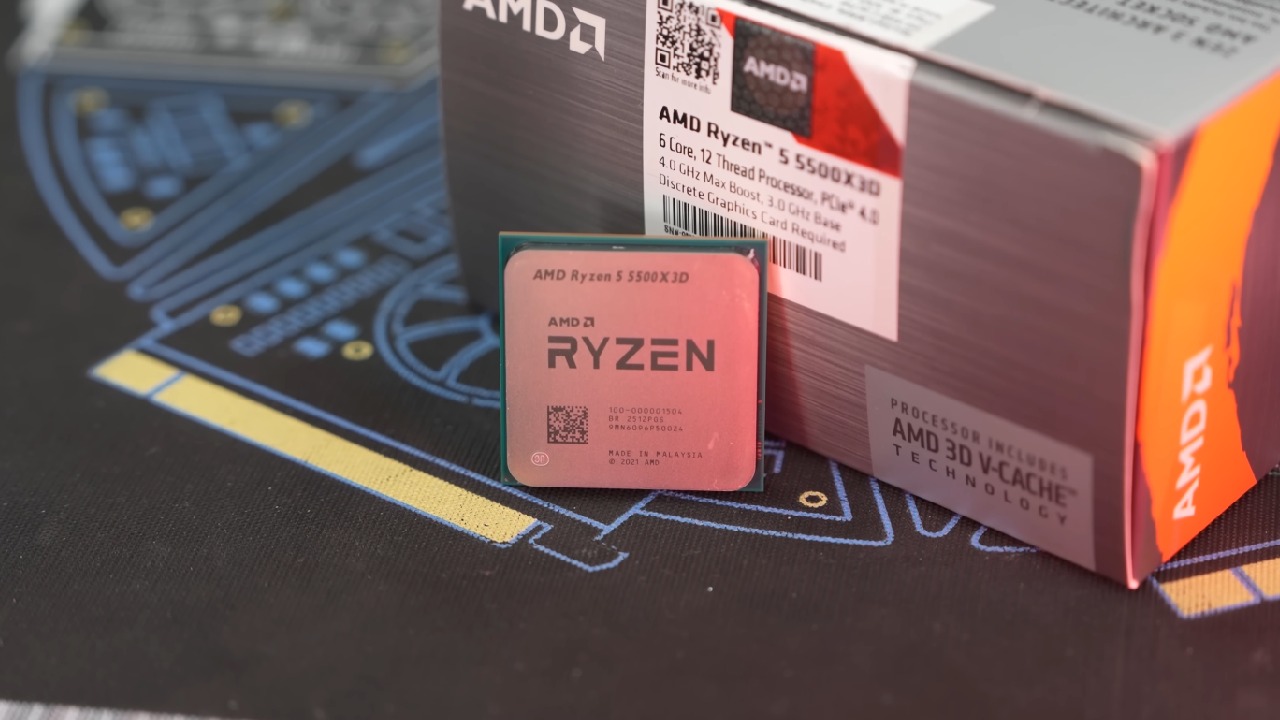
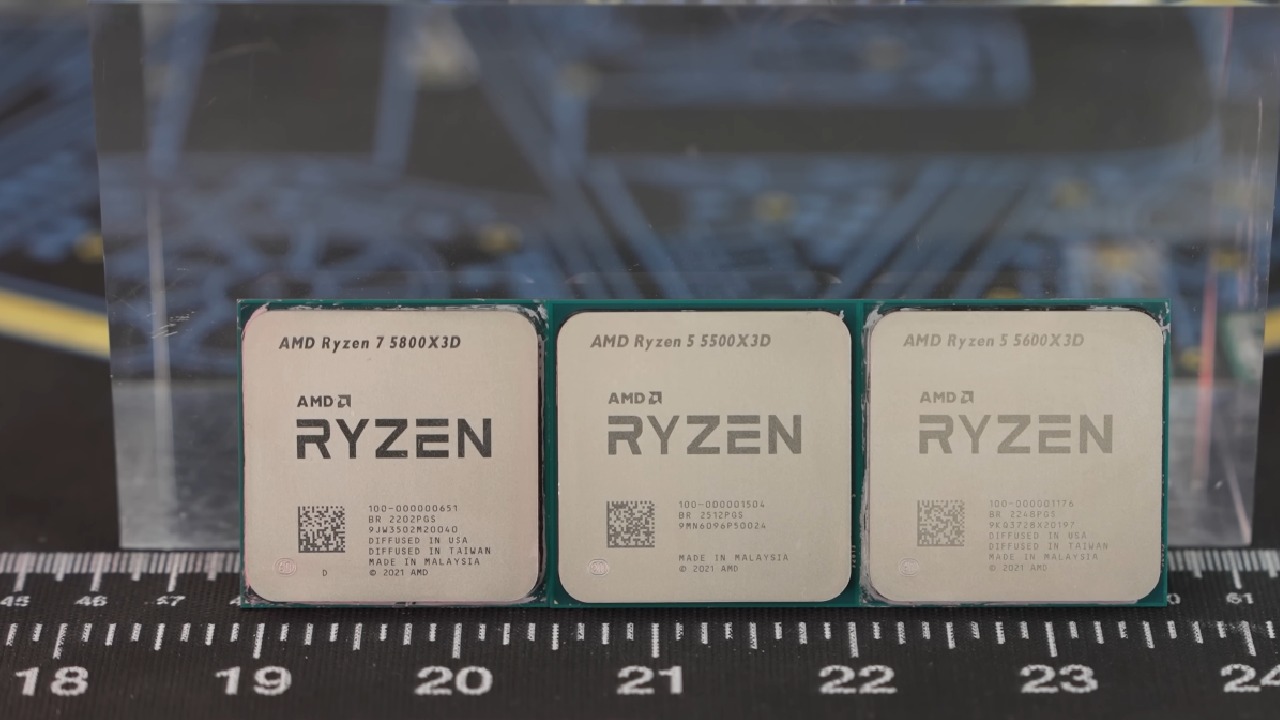
The comparison is mostly between two builds that cost about the same. AMD side has a Ryzen 7 5800X3D processor and a B550 motherboard. Intel side of the construction has an Intel Core i5-12600KF with a B760 motherboard. When you add in the cost of DDR4 RAM, both platform combinations cost about the same. This makes the comparison useful for gamers on a budget.
Keep in mind that the AMD setup is close to the best AM4 can offer for gaming. There are better possibilities, like the 5800X3D, but their prices are so high that they aren't worth it. The Intel arrangement, on the other hand, is firmly in the middle range, so you can later upgrade to a higher-tier processor on the same socket.
Test Setup and Shared Parts
Both systems use the same supporting components to ensure identical results. The memory is a 16GB DDR4 kit running at 3200MHz CL16. The storage is a 1 TB PCIe Gen 3 NVMe SSD. Both CPUs use the same air conditioner to keep them cool. Both platforms are first tested with an RX 9060 XT 16 GB, a mid-range GPU that works well for 1440p gaming.
Using the same RAM, storage, cooling, and GPU makes sure that any changes in performance are mostly due to how the CPU and platform work, not other factors.
How well it Plays Games at 1440p
We test live gaming at 1440p and use upscaling when it makes sense. This resolution shows how most people would really use a 16GB GPU. Frame rates in Arc Raiders are usually in the low 100fps range; both systems perform about the same on average. When there are many people around, the frame rate drops to around 90 fps, but the game runs well on both systems. Intel platform recovers a bit better after intensive scenes, while the AMD platform maintains average performance that remains competitive.
Battlefield 6 requires much more CPU power than the last game. During heavy tasks, the Ryzen 7 5800X3D can drop to lower frame rates, but it usually runs at about 80 fps. Core i5-12600KF does better in these situations, with higher rates and fewer big drops. The difference shows that Intel's scheduling and CPU core layout give it an edge in 1440p multiplayer games that require a lot of CPU power.
Benchmarks for CPUs at 1080p
To put a greater burden on the CPUs, benchmarks are run side by side at 1080p. At modest settings in CS2, the AM4 platform comes out on top, with higher average frame rates and slightly stronger 1% lows. This study shows that the Ryzen CPU delivers strong single-core performance in esports-focused scenarios.
Cyberpunk shows the same pattern in both high settings and 1080p. Core i5-12600KF has better minimum frame rates and better average frame rates, but both platforms have almost the same highest frame rates. In recent hard games, the findings show that the Intel CPU delivers better, more stable frame rates.
To see if they can be upgraded, both CPUs are tested with the RX 9070 XT 16GB, a higher-end GPU, using simulated benchmarks. A Ryzen 9800X3D-based high-end reference system sets a standard. As expected, the CPU results for both the AM4 and LGA1700 platforms are lower than this baseline. However, the GPU scores are still quite similar.
Intel platform has greater CPU scores, while the AM4 platform has somewhat higher GPU results. In general, both CPUs can run a GPU of this class at 1440p without too many problems. However, neither one is as fast as a recent high-end processor.
Path to Upgrade and Longevity
Long-term adaptability is what sets one platform apart from the other. Most of the optimizations for AM4 have already been made, and there aren't many big upgrade choices left unless certain high-end CPUs become widely available again at reasonable prices. Though LGA1700 has reached the end of its useful life, you can still use it to change to better CPUs that make the old one work much better.
LGA1700 makes it easier for builders to replace their CPU later without having to change the whole platform. For anyone who wants a solid, finished platform with performance they can count on, AM4 is still a good option.
Final Thoughts
In 2026, both platforms will have good gaming performance with DDR4 RAM. When the prices are the same, neither alternative is clearly better in every situation. AMD platform performs well in esports-focused games and remains competitive overall. The Intel platform performs better with recent AAA games and gives you more room to upgrade your CPU in the future.
Which one is better depends on the current prices of the parts and whether you want instant performance stability or the ability to upgrade in the future. Both platforms are still good choices for gaming systems that use DDR4 memory.
Also, check our other AMD articles below:
- AMD Ryzen 9 9950X3D Review: Setting The Standard For 2025 Gaming CPU
- AMD Ryzen 7 9800X3D Review: 3D V-Cache Goes God Mode with Stunning Gaming Performance
- AMD RX 9070 Performance Review: Thermals, Clocks, and Real-World FPS
- AMD Ryzen 5 7600 Review: Best Budget Gaming CPU of 2025?
- AMD Radeon RX 7800 XT Review: RDNA 3 Power For Midrange Gaming
- Sapphire NITRO+ AMD Radeon RX 9070 XT Review: The Ultimate 4K Gaming GPU
- AMD Ryzen 7 7800X3D: Delivers Gaming Performance Far Beyond Expectations
- AMD Ryzen 9 7900X Review: Powering the AM5 Era with DDR5 & PCIe 5.0
- Intel Core i9‑14900K vs. AMD Ryzen 7 7800X3D: Power Profiles & Gaming Benchmarks
Editor, NoobFeed
Gaming Hardware Updates
No Data.