
Why AMD Is Losing Mindshare Despite Strong GPU Performance and Competitive Pricing?
AMD’s RDNA generation highlights strong gaming performance but slower feature adoption continues affecting perception among enthusiasts and creators.
Hardware by Shinji Okazaki on Mar 12, 2026
Upscaling and frame generation are now two of the most important technologies in PC gaming. These elements now affect how graphics cards are rated and how gamers feel about performance and value across different GPU brands.
People may not want to acknowledge it, but upscaling and frame generation are really crucial parts of gaming now. GPU makers like AMD are in a unique position during the RDNA4 generation. This problem also has something to do with RDNA2 and RDNA3, because those graphics cards can use WMA and INT8 instructions to increase performance.
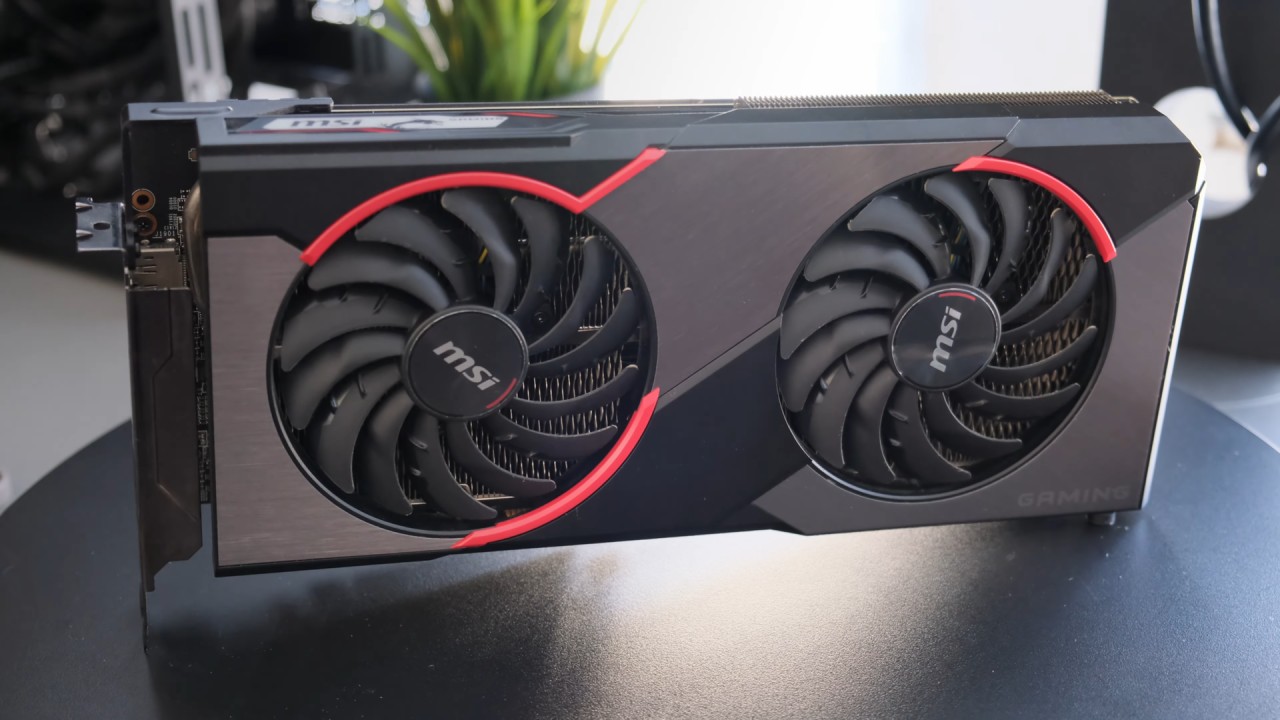
Changing GPU Expectations with Upscaling and Frame Generation
In some cases, these methods can make images look better than FSR3. The performance gains may not be as good as FSR3, but the visual results are better. The way people see the situation has changed over the past few months, based on community comments and discussions with AMD representatives.
People often desire to help AMD. Many gamers like that prices are usually lower.
Different Prices Between AMD and NVIDIA graphics cards
AMD and NVIDIA GPUs that cost about the same are rarely very different from each other. The NVIDIA alternative frequently costs a lot more than a GPU like the 9070 XT to compete with it.
5070 Ti costs about $1300, while the 9070 XT costs about $799 to $800. It doesn't make sense for a 70-class GPU to cost $800, and $1300 is equally hard to explain. But features like DLSS4, frame generation, and multi-frame generation do affect what people buy.
There are still those gamers who only care about how well raster works. Those players don't worry about AI or frame creation. To get more raw performance, they generally have to buy something like the NVIDIA GeForce RTX 5090.
This Generation's Small Performance Improvements
The last generation brought us great products like AMD's RDNA3 GPUs and Nvidia's Lovelace series. Those cards made things work better.
This generation is different. NVIDIA's raw performance gains are between 5% and 15%. At the same time, prices are still rather high. 5070 Ti costs about the same as the 4080Super did in the last iteration.
5070 Ti and 5080 look identical in terms of hardware layout, although the 5070 Ti has a somewhat lower configuration. This generation doesn't have any Super Refresh models because there isn't enough memory, which makes the market even stranger.
The GPU market seems unstable, which is bad for gamers and content developers.
How Hard It Is to Cover Expensive Hardware
It has gotten hard to cover contemporary GPUs because their prices are too high for many players to afford. It's hard to recommend a GPU like the 5090 because it's so expensive.
At first, buying the 5090 would help a channel flourish. Instead, it was hard to get people interested because most people can't get the product.
The card is in the middle of its lifecycle. Still, successor architectures are already being projected for the future. It seems hazardous to spend thousands of dollars today, since the next generation could emerge on a new process node with better performance.
When the Price of a GPU Becomes an Investment for the Long Term
The only way to make sense of buying something like the 5090 is to think of it as a long-term investment. When you add in RAM, storage, and other parts, a whole system built on a 5090 can cost around $10,000.
If the machine is only used for gaming, that money may endure for a long time. The decision then becomes personal. Some people pay for pricey equipment over time because they love gaming.
The most important thing is to play games and have fun.
Frame Generation and Real Gaming Experience
Using frame generation and upscaling can make a big difference in how things feel. Path-traced games could run at about 30 fps on their own in some situations. DLSS and frame generation are two technologies that can greatly enhance frame rate while maintaining high picture quality.
When you use a controller, frame generation problems might not be as obvious. The end effect is a seamless experience with great graphics and high frame rates.
At the upper end, a 5090 can approach 400 fps at 4K with multi-frame anti-aliasing enabled. The question is whether that experience is worth $ 5,000 per participant.
Comparing the performance of high-end and mid-range products
AMD Radeon RX 9070 XT GPU offers a different perspective. The card works quite well at 1440p, and it doesn't always need to be upscaled. When you turn on FSR4 and frame generation at 4K, you can get frame rates of about 200fps, depending on the game.
That kind of performance costs a lot less than the best GPUs. Even with frequent frame-rate issues, many players still have a great time. In blind tests, many gamers might be impressed by how well these features work and how well they look.
Why AMD Has a Mindshare Issue
Even while AMD makes good products, it has trouble getting people to think about them. Sometimes features come out more slowly than competitors', which affects how people see them. We thought FSR4 or a newer version would be released sooner. People who utilize RDNA2 and RDNA3 hardware are upset that it is taking so long.
At the same time, developers also affect the situation. If games don't use AMD technology or focus on other features, AMD hardware seems weaker even when the GPU is good.
Support for games and use in real life
AMD technology shows up on launch day in many new games. FSR4 can turn on automatically when a game supports FSR3.1.3. Some developers fully support AMD features, while others don't. That lack of consistency affects what people think.
From a gameplay perspective, many games run well on AMD technology. Playing titles like Resident Evil Requiem shows that switching from NVIDIA to AMD while playing can still give you good results. You can really tell the difference in performance when there are many open-world areas or when shaders are being compiled.
The Cycle of Negativity in GPU Talks
It's easy for talks about hardware to turn into arguments. People typically talk about high prices, VRAM debates, and feature comparisons. By consistently criticizing products, many artists might get more views. But that way of doing things makes everything look worse than it really is. Most GPUs still work well with recent games, which is the truth.
Cheap GPUs and the Importance of 8GB VRAM
Many gamers can still use 8GB GPUs, especially at 1080p. It's simple to complain about insufficient VRAM, but many games still work fine when the settings are changed. People on a tight budget can still enjoy recent games with low-end technology. The most important thing is to match the GPU with the right display resolution.
Why Displays Are More Important Than Most People Think
The monitor is one of the most important parts of gaming systems that people don't think about enough. Getting a powerful GPU while having a low-quality display makes the experience less enjoyable. The monitor determines how the picture is displayed. A good 1440p display may turn a mid-range GPU into a great gaming setup.
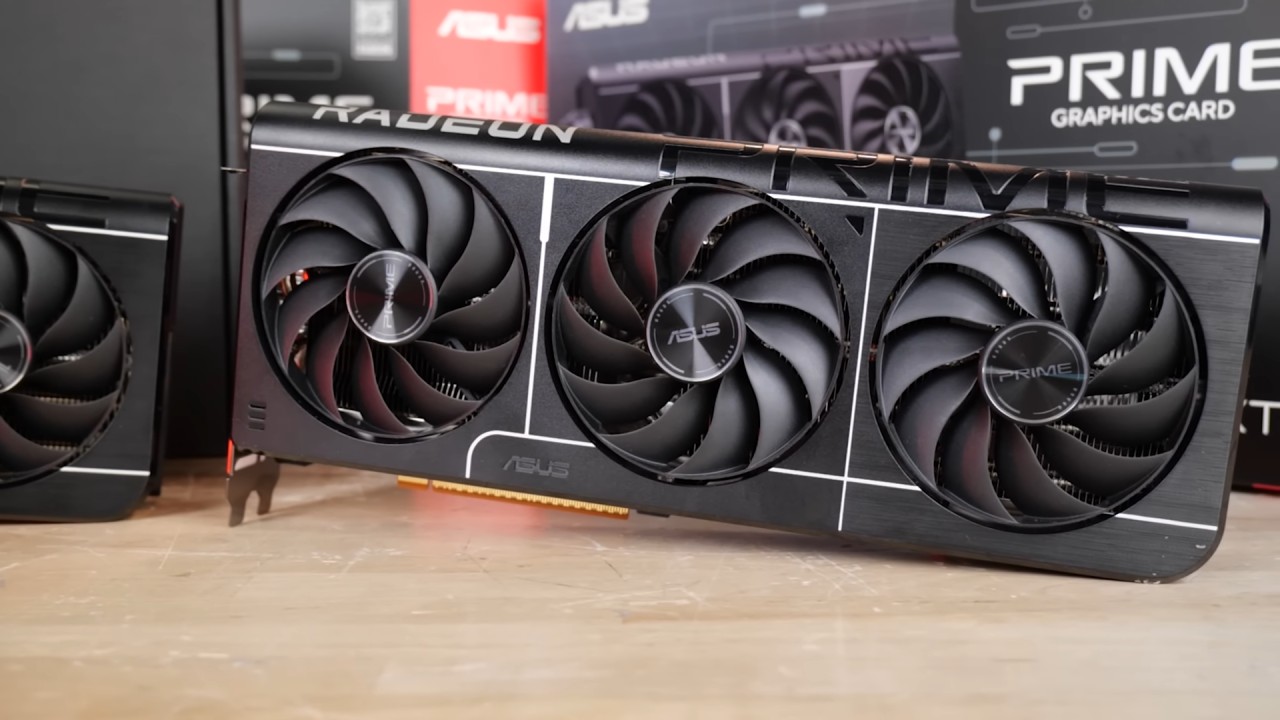
Picking the Right Hardware
The greatest way to do things is still simple. Get the best hardware you can afford. Don't put yourself in financial trouble just for a hobby. Gaming hardware should make the experience more fun, not more stressful.
High-end GPUs, like the 5090, work quite well. 9070 XT and other mid-range choices can offer great gaming experiences at a reduced price. The most important thing is to have fun playing the games.
Final Thoughts
AMD still makes good hardware, even though it takes longer to provide new features. Many people who play games on RDNA3 GPUs like the 7900 XTX or 7800 XT still get great performance in new games. Those GPUs are still decent for gaming if you set them up appropriately and use a nice monitor.
For many people, AMD hardware is still a good choice because it focuses on performance and value while keeping gaming experiences fluid and fun.
Also, check our other hardware articles:
- AMD Ryzen 9 9950X3D Review: Setting The Standard For 2025 Gaming CPU
- Amazon Luna 2025 Review: Is Prime Gaming's Cloud Service Your Go-To For Casual Fun?
- AMD RX 9070 XT Review: AMD's RDNA 4 Champion for 1440p Gaming
- GeForce Now Ultimate: Ditching Your Gaming PC For Cloud RTX 4080 Power?
- NVIDIA GeForce RTX 5080 Review (2025): Still A 4K Gaming Powerhouse?
- Intel Core Ultra 9 285K Review And Performance Breakdown (2025)
- AMD Ryzen 7 9800X3D Review: 3D V-Cache Goes God Mode with Stunning Gaming Performance
- Intel Core Ultra 9 285K vs AMD Ryzen 7 9800X3D: In-Depth Gaming Performance and Benchmark Comparison
- NVIDIA GeForce RTX 5080 Super Performance In Cyberpunk 2077: Path Tracing & DLSS 4.0 Tested
- AMD Radeon RX 9070 XT In Cyberpunk 2077: Ray Tracing & FSR 4.0 Tested
- Intel Arc B580 Review: The $250 GPU Revolutionizing 1440p Gaming
- Intel Arc B570 Vs. B580: Value, Specs, And Real-World Gaming Performance
- RTX 5090 Laptop Vs. M4 Max MacBook Pro: Ultimate Raw Performance Vs. Battery Endurance
- Intel Arc b580 Vs. RTX 4060: Game Performance And Value Analysis
- RTX5090 Hell Is Us Demo 4K Ultra Benchmark: DLSS Vs. Native Performance Guide
- NVIDIA RTX 5070 Review: Mid-Range Muscle or Marketing Hype?
- Nintendo Switch 2 Review: Handheld Performance, Features & Value Breakdown
- RTX 5070 Ti Review: Performance, Thermals & Power Efficiency Tested
- Samsung Odyssey OLED G81SF Review 2025: Ultimate 32-Inch QD-OLED Gaming Monitor
- AMD RX 9070 Performance Review: Thermals, Clocks, and Real-World FPS
- AMD Ryzen 5 7600 Review: Best Budget Gaming CPU of 2025?
- AMD Radeon RX 7800 XT Review: RDNA 3 Power For Midrange Gaming
- Asus ROG RTX 5090 Astral OC Vs. Founders Edition: The 4K Gaming Benchmark
Editor, NoobFeed
Gaming Hardware Updates
No Data.