
AMD Ryzen 9950X3D2 vs. Intel Core Ultra 7 270K Full Comparison and Performance Breakdown
AMD introduces Ryzen 9950X3D2 with dual V-Cache design targeting improved creator performance and sustained multi-threaded efficiency gains.
Hardware by Nahe Yan on Mar 28, 2026
Intel just released the Core Ultra 7 270K and Ultra 5 250K. Then AMD announced the Ryzen 9 9950X3D2 dual-V-Cache CPU, designed for both gaming and creative work. The main question now is how the CPUs stack up against each other and whether either is worth using in a fresh PC setup.
9950X3D2 from AMD is a twin V-Cache variant of the 9950X3D. The original chip features two CCDs with a total of 16 cores, but only one of them has V-Cache. When you play games, one CCD is disabled, so it behaves like a 9800X3D. But when you do multiple things at once, like video editing, both CCDs are on. Some tests have already proven that V-Cache helps even non-X3D chips with memory-intensive tasks. This is why both CCDs need V-Cache.
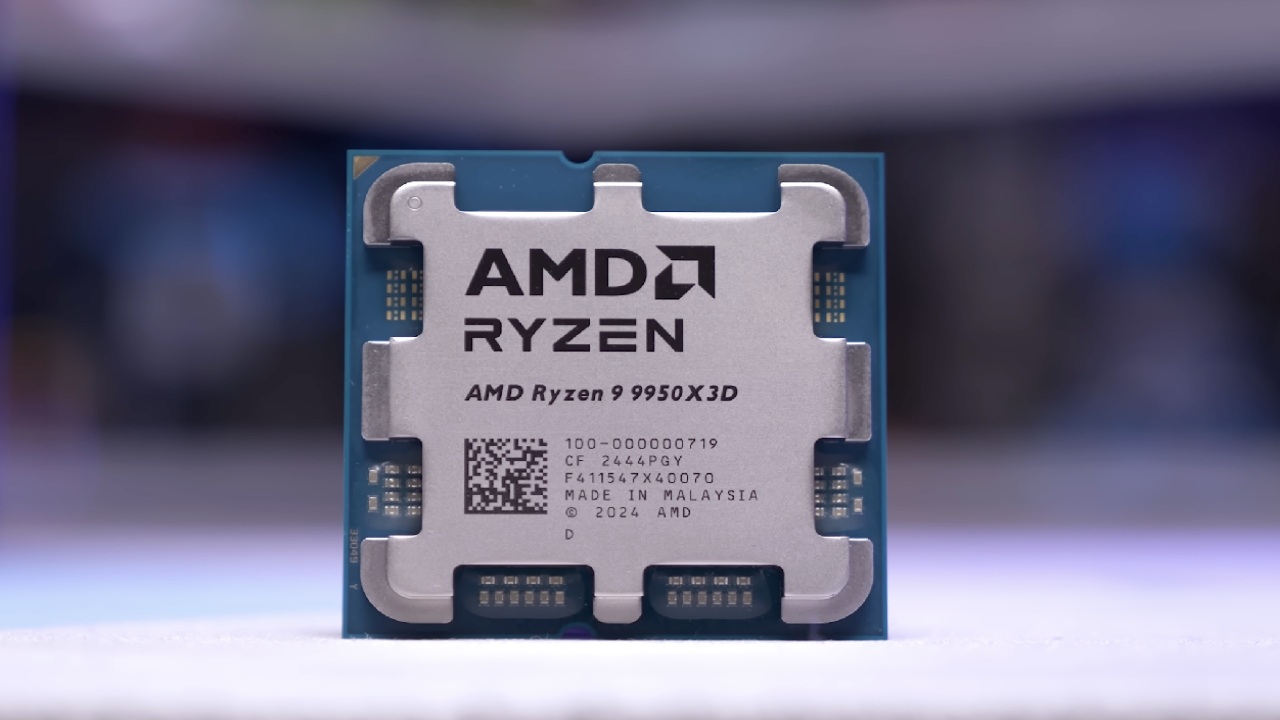
There is no official price for the Ryzen 9950X3D2 yet, but it will be available on April 22. 9950X3D costs about $675 right now. AMD launched this at the same time as Intel's, probably to compete directly, as CPU costs start to change across the board.
Specifications and Expected Performance
The new 9950X3D2 has a 200W TDP and can boost up to 5.6GHz. 9950X3D can boost up to 5.7GHz and has a 170W TDP. The small dip in boost clock indicates that the extra power is being used to support V-Cache on the second CCD rather than raising the frequency. TDP doesn't explicitly specify how much power a device consumes, though higher figures usually indicate greater power consumption.
AMD hasn't provided any gaming benchmarks, which makes it seem like the 9950X3D doesn't do any better in games. AMD says that in creator workloads, there is a 7% to 13% improvement, depending on the task, such as rendering, compiling, or simulating.
Positioning Against Current CPUs
9950X3D is for people who want the best performance right now, without having to wait for the next generation of Zen 6 X3D CPUs, which are slated to become available later. We think non-X3D Zen 6 CPUs will be released initially, with X3D versions coming months later.
For most people, the difference between the 9950X3D and the 9950X3D2 may not be worth the big price difference. A tiny extra cost might make sense, but anything more than that makes it less appealing. Changes in prices throughout AMD's portfolio may potentially make the 9950X3D more appealing.
A Look at the Intel Core Ultra 200S Plus
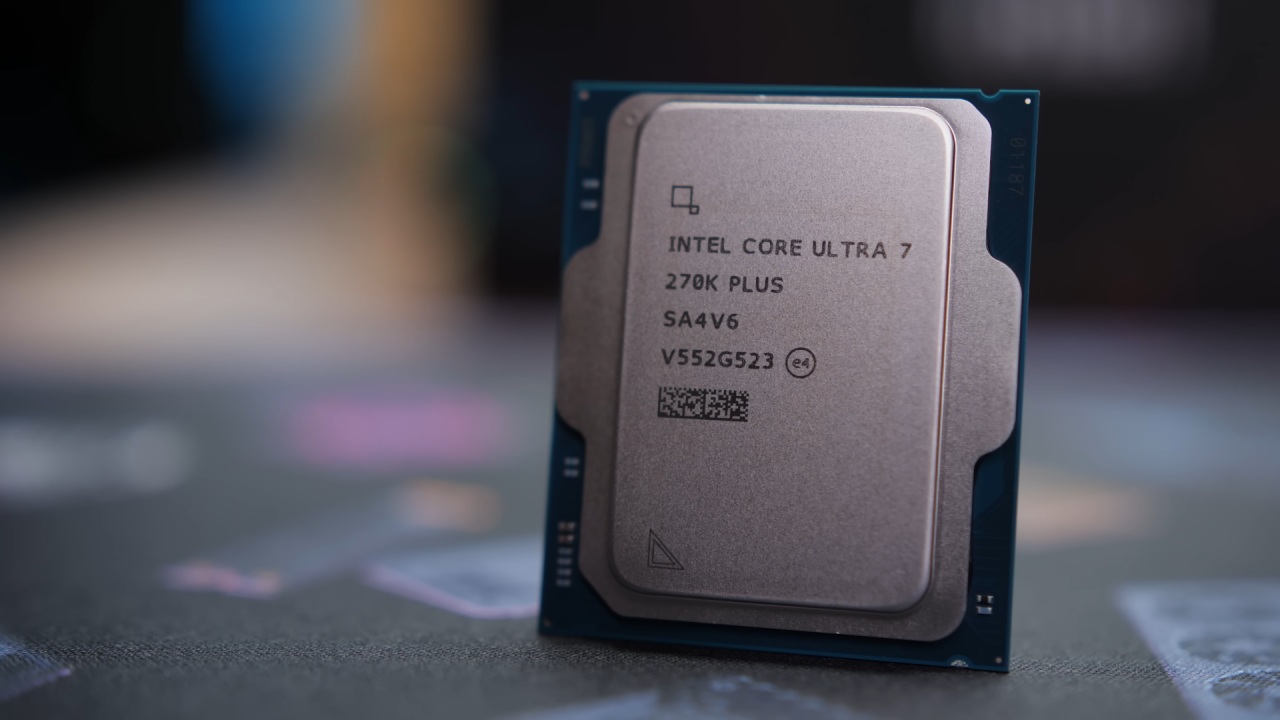
Intel released the Core Ultra 5 250K Plus for $199 and the Core Ultra 7 270K Plus for $319. The KF version costs $299. These CPUs are meant to be a better value than older generations.
250K Plus has gaming performance like a Ryzen 9600X and production performance like a 9800X3D or 9900X, depending on the workload. 270K Plus is almost as good as the 9700X for gaming and a lot better for production, making it a good choice against much more expensive CPUs.
Value vs. Longevity of the Platform
Intel's CPUs are competitive in raw performance, but the longevity of their platforms remains a concern. There aren't any obvious upgrade paths for the LGA1851 platform, so you'll probably need a new motherboard to upgrade your CPU in the future.
AMD's AM5 platform, on the other hand, is compatible with future versions. Users can update their CPU later without having to buy a new motherboard, even if they start with a lower-end one. This flexibility adds value over time and affects what people buy.
Pricing is a big part of Intel's approach. If there is no long-term platform support, the reduced initial cost becomes very important. A more aggressive pricing strategy could make you more competitive.
Suggestions for Gaming vs. Production
For gaming, Ryzen CPUs are still the better choice because they are more efficient, offer consistent performance, and can be upgraded. Intel's 270K Plus is a great deal for hybrid workloads that include both gaming and production.
250K Plus is a decent choice if you only care about production because it costs less. But investing an extra $100 on the 270K Plus might make the system last longer and be worth more overall.
Problems in the GPU Market
The GPU market has problems in the $300–$400 range. Prices are higher than they were in the past, making it harder to suggest obvious choices.
GPUs like the RX 9600 XT 16GB used to cost $349, but today they cost around $440. Prices seem to be stabilizing, but there aren't many options for people on a tight budget.
For 1080p gaming at high refresh rates, several GPUs, including entry-level and mid-range models, are still good options. But older processors like the Ryzen 5600G may cause CPU bottlenecks for some users.
Getting a higher-end GPU with greater VRAM for an extra $50 can help performance in the long run. If you can't afford it, 8GB–12GB GPUs can still be used for current games.
Choices for GPUs in the Middle to High Range
Higher-end GPUs are a better long-term bargain in the $700- $800 price range. Compared to other GPUs with less VRAM, a 16GB GPU performs better in recent games.
People's tastes can influence their choices, but performance and memory capacity remain the most important criteria. Design is important, but picking a GPU with higher overall performance will make it last longer.
Final Thoughts
Ryzen 9950X3D2 offers minor upgrades that are more useful to creators than to gamers. How well it does will depend on how much it costs compared to the 9950X3D.
Intel's Core Ultra 200S Plus CPUs are fast and offer better value, but they won't last as long as other platforms. Changes in prices will affect their competitiveness.
The GPU market remains uncertain, so you need to carefully consider your budget and performance needs. The most important thing when developing a system is still balancing short-term needs with long-term usability.
Also, check our other hardware articles:
- AMD Ryzen 9 9950X3D Review: Setting The Standard For 2025 Gaming CPU
- Amazon Luna 2025 Review: Is Prime Gaming's Cloud Service Your Go-To For Casual Fun?
- AMD RX 9070 XT Review: AMD's RDNA 4 Champion for 1440p Gaming
- GeForce Now Ultimate: Ditching Your Gaming PC For Cloud RTX 4080 Power?
- NVIDIA GeForce RTX 5080 Review (2025): Still A 4K Gaming Powerhouse?
- Intel Core Ultra 9 285K Review And Performance Breakdown (2025)
- AMD Ryzen 7 9800X3D Review: 3D V-Cache Goes God Mode with Stunning Gaming Performance
- Intel Core Ultra 9 285K vs AMD Ryzen 7 9800X3D: In-Depth Gaming Performance and Benchmark Comparison
- NVIDIA GeForce RTX 5080 Super Performance In Cyberpunk 2077: Path Tracing & DLSS 4.0 Tested
- AMD Radeon RX 9070 XT In Cyberpunk 2077: Ray Tracing & FSR 4.0 Tested
- Intel Arc B580 Review: The $250 GPU Revolutionizing 1440p Gaming
- Intel Arc B570 Vs. B580: Value, Specs, And Real-World Gaming Performance
- RTX 5090 Laptop Vs. M4 Max MacBook Pro: Ultimate Raw Performance Vs. Battery Endurance
- Intel Arc b580 Vs. RTX 4060: Game Performance And Value Analysis
- RTX5090 Hell Is Us Demo 4K Ultra Benchmark: DLSS Vs. Native Performance Guide
- NVIDIA RTX 5070 Review: Mid-Range Muscle or Marketing Hype?
- Nintendo Switch 2 Review: Handheld Performance, Features & Value Breakdown
- RTX 5070 Ti Review: Performance, Thermals & Power Efficiency Tested
- Samsung Odyssey OLED G81SF Review 2025: Ultimate 32-Inch QD-OLED Gaming Monitor
- AMD RX 9070 Performance Review: Thermals, Clocks, and Real-World FPS
- AMD Ryzen 5 7600 Review: Best Budget Gaming CPU of 2025?
- AMD Radeon RX 7800 XT Review: RDNA 3 Power For Midrange Gaming
- Asus ROG RTX 5090 Astral OC Vs. Founders Edition: The 4K Gaming Benchmark
Editor, NoobFeed
Gaming Hardware Updates
No Data.