
AMD Zen6 CPUs Arrive Early With X3D Cache Upgrades and Major Platform Changes
AMD reshapes future platforms through Zen6 IPC gains, expanded L3 cache, and evolving iGPU segmentation strategy.
Hardware by Shinji Okazaki on Jan 28, 2026
AMD's Zen 6-based processors will arrive sooner than most people thought. In addition to the main Zen 6 portfolio, there is news on X3D variants, AMD's iGPU future, RDNA5 plans, and how Intel might react.
There are many changes on both desktop and mobile platforms, which will make the next generation quite exciting.
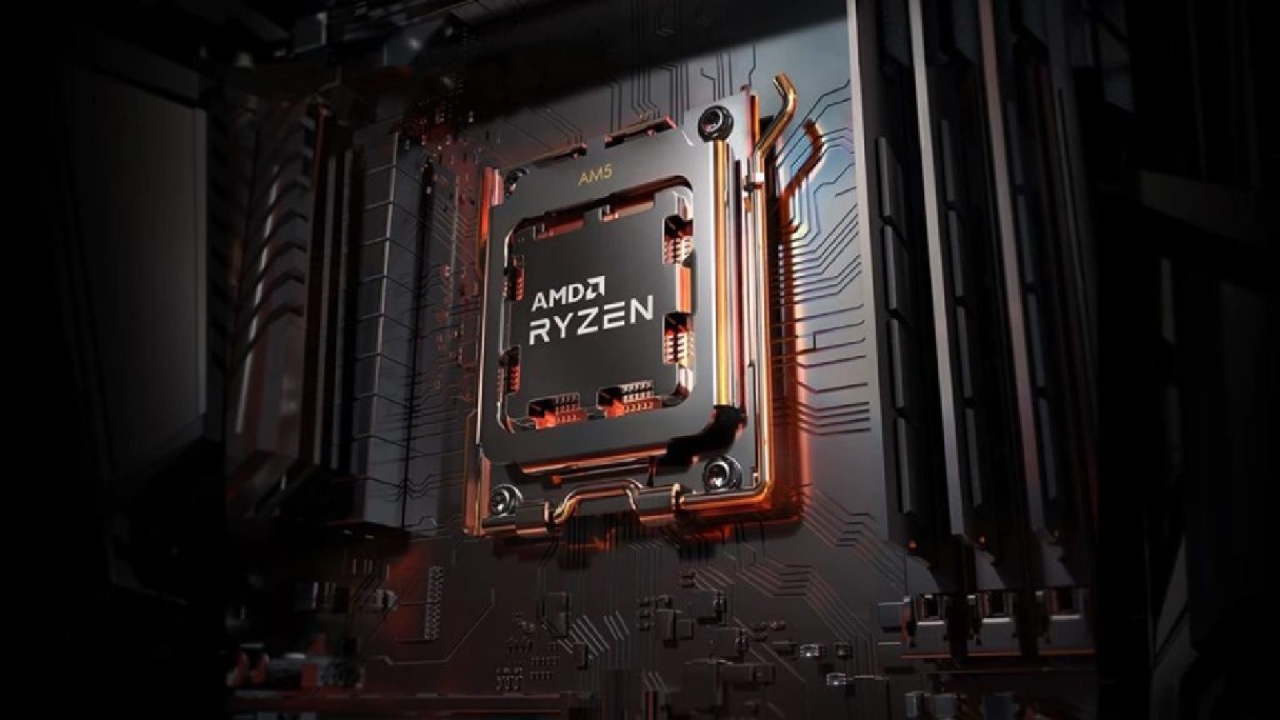
Zen 6 Desktop Timeline and Important Specs
Zen 6 vanilla desktop bits are likely to come out in September or October. The most expensive SKUs are expected to have up to 24 cores and 48 threads. Clock speeds are expected to increase, perhaps to 6–6.2 GHz. However, these numbers are still based on hardware that hasn't been sold yet. We shouldn't expect all gamers to get the best CCDs, but even without them, performance should be better than Zen5.
There should also be gains in IPC. A 10% increase seems low, with most people expecting closer to 15%. That is important in general, though most gamers probably care more about the Zen 6 X3D elements than the vanilla ones.
CES and Zen 6 X3D Timing
It is predicted that Zen 6 X3D processors will be unveiled for the first time at CES2027. This timeframe aligns with what we expected before. Mobile Medusa pieces are also scheduled to come out around the same time, with releases perhaps happening a few months later. CES is going to be a big deal for both the desktop and mobile Zen 6 platforms.
The price of memory remains very volatile, which could significantly affect how well these platforms are received. New manufacturers are slowly growing their output. While mass production isn't there yet, supply conditions could get better over the next few months. How demand from AI-driven sectors changes will also be important.
Changes to Memory Sensitivity and Cache
Zen 6 introduces architectural improvements that raise questions about the sensitivity of memory bandwidth. Memory behavior is critical, as 24 cores require a steady flow of data. The number of cores per CCD is increasing from 8 to 12, and AMD is also increasing the L3 cache size.
For vanilla Zen 6 parts, the L3 cache is predicted to grow by 50%. Current information suggests that X3D variations will also see comparable improvements. From a marketing perspective, it will be fascinating to see whether AMD launches X3D parts with two cache chiplets. This is especially true since Intel is also discussing using similar methods in its next designs.
Intel Comparisons and Designs with Two Tiles
Intel is said to be working on dual-tile designs for future desktop processors, but they are expected to be expensive. These pieces might not be made specifically for gamers; instead, they might be designed for a wider range of tasks, such as rendering. It's not expected that they will provide the full PCIe bandwidth that is typical of high-end desktop devices.
Segmentation of RDNA3.5 and RDNA5 iGPUs
People are increasingly talking about AMD's plan for integrated graphics. Lower-end devices or systems with separate GPUs will likely continue to use RDNA3.5-based iGPUs. But high-end iGPUs will switch to RDNA5.
Zen 6 and even Zen7 platforms are expected to follow this divide in the future. Medusa-based designs can use RDNA3.5 configurations that can support up to 8 workgroup processors on non-premium SKUs. These aren't meant to be high-end goods; they're meant to be useful for systems that don't need a high-end iGPU.
Layouts for SoCs and Scaling for Compute Units
Current data points to several SoC setups. One high-end setup is projected to include up to 24 compute units, while another is aimed at 12. With RDNA5, the compute unit structure changes, making them more like workgroup processors in their performance.
This change also includes improvements to the design of the cache and L1, supported by recent patent activity. These changes suggest that future integrated graphics solutions will be better at processing data.
AMD's strategy vs. Intel's Direction
AMD thinks keeping RDNA5 for high-end parts aligns with its product segmentation. Advanced integrated graphics aren't necessary for systems or platforms focused on the office or that come with separate GPUs. If you want top-notch iGPU performance everywhere, this may be annoying. Still, the method takes cost and power into account.
Intel, on the other hand, is going down a different route. Intel's officials have said that they don't see a direct need to fight AMD's rigorous halo APUs right now. Intel believes its existing solutions are competitive in both performance and efficiency.
Changed and Canceled Plans for Intel APU
People used to think that Intel would make a big APU to compete with AMD's halo products, but that doesn't seem to be the case anymore. That particular product has been canceled. Instead, the plans have shifted to a later platform with better cores, keeping the same number of cores overall.
The new plan preserves high-end desktop SKUs at roughly 52 cores. Still, instead of a direct halo-style APU introduction, it makes architectural improvements. This is why Intel can say that it is not introducing direct competition in this area while still being ready for other options in the future.
GPU Collaboration and the Future of Discrete Graphics
Intel is still working on its next-generation discrete GPUs, though it's unclear what their main use will be in gaming. Some product lines seem more geared toward professional or mixed-use markets, likely due to current memory prices. Intel thinks it's hard to ensure gaming pricing stays competitive under these circumstances.
Integrated graphics, on the other hand, keep becoming better, and new architectures are still interesting. Intel and Nvidia are also still working together, and new products are likely to mix CPU and GPU technologies in innovative ways.
NVIDIA and Future CPU Designs
NVIDIA's new platforms are also part of the bigger picture. Performance expectations suggest the GPU will be able to do things similar to those of upper-midrange discrete cards. However, the actual specs are still not apparent. NVIDIA's plans for CPUs include fresh ideas about multithreading and core behavior, which could change how systems are built in the future.
Final Thoughts
The next several weeks will be hard for CPUs, iGPUs, and discrete graphics. Intel is changing its roadmap instead of rushing into a straight halo response, while AMD is improving its segmentation approach with Zen 6 and RDNA5. As memory prices, production nodes, and AI-driven demand all come together with the release of next-generation hardware, you may expect more changes.
Also, check our other AMD articles below:
- AMD Ryzen 9 9950X3D Review: Setting The Standard For 2025 Gaming CPU
- AMD Ryzen 7 9800X3D Review: 3D V-Cache Goes God Mode with Stunning Gaming Performance
- AMD RX 9070 Performance Review: Thermals, Clocks, and Real-World FPS
- AMD Ryzen 5 7600 Review: Best Budget Gaming CPU of 2025?
- AMD Radeon RX 7800 XT Review: RDNA 3 Power For Midrange Gaming
- Sapphire NITRO+ AMD Radeon RX 9070 XT Review: The Ultimate 4K Gaming GPU
- AMD Ryzen 7 7800X3D: Delivers Gaming Performance Far Beyond Expectations
- AMD Ryzen 9 7900X Review: Powering the AM5 Era with DDR5 & PCIe 5.0
- Intel Core i9‑14900K vs. AMD Ryzen 7 7800X3D: Power Profiles & Gaming Benchmarks
Editor, NoobFeed
Gaming Hardware Updates
No Data.