
AMD Zen6 vs. Intel Nova Lake: Clock Speeds, IPC and Core Wars
Zen6 architecture delivers higher clock speeds, increased core counts, and improved cache design for enhanced gaming and productivity performance
Hardware by Tanvir Kabbo on Apr 04, 2026
It is believed that AMD's Zen6 architecture will deliver significant gains in both core count and efficiency. The next Ryzen processors based on Zen6 will have 12 cores per CCD, for a total of 24 cores and 48 threads. The increase in cores is matched by an increase in cache, with L3 cache going up to 48MB.
Each core will keep 1MB of L2 cache, although X3D versions are projected to have 96MB per stack. The goal of these improvements is to make it easier to obtain data and lower latency, especially for gaming workloads.
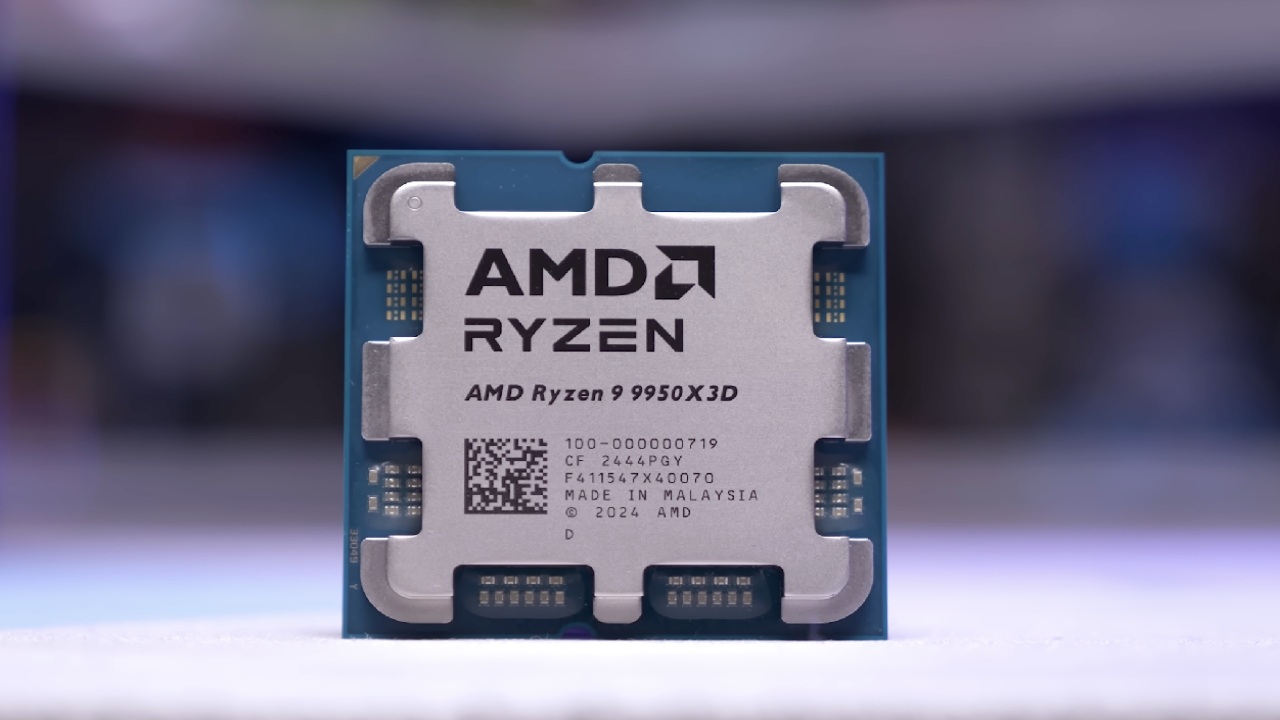
The platform will continue using AM5, and memory support is expected to exceed 8,000 MT/s. IPC increases are thought to be between 10% and 15%, and some workloads may even reach 20%. These improvements show that the architecture is efficient and works well in the actual world.
Clock Speeds and Gaming Performance
Clock speeds are likely to be a major plus for Zen 6. Some reports say that weakly threaded workloads run at a frequency between 6.3 GHz and 6.4 GHz. This is a big step forward and could significantly improve how well games run.
Higher clock speeds, combined with IPC improvements, make Zen 6 particularly well-suited for gaming. A single CCD with 12cores is more than sufficient for modern game engines, including those used in large-scale titles.
While server products may still take priority for the best silicon, these projected clock speeds indicate that desktop users can expect substantial gains. The combination of high frequency and efficient architecture positions Zen6 as a strong contender in gaming.
Nova Lake Design and Multi-Core Strategy
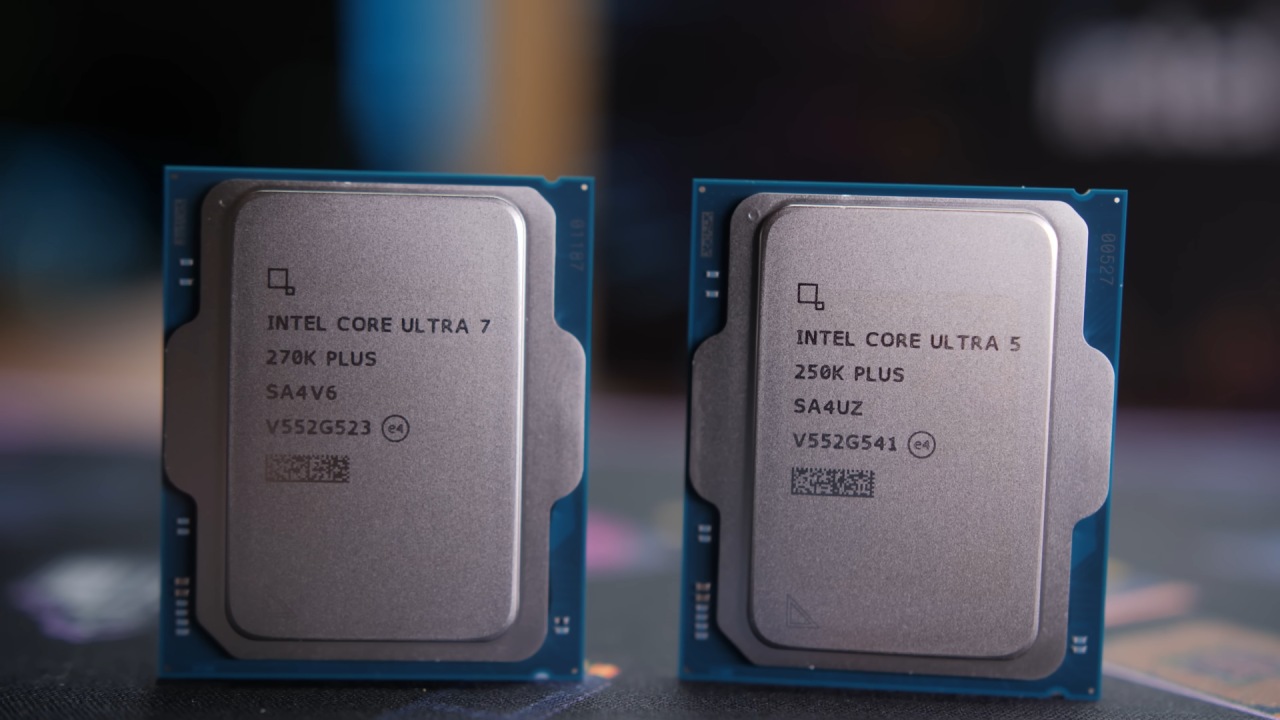
Intel's Nova Lake takes a different approach, focusing heavily on core scalability. The architecture is expected to offer two primary configurations. The high-end variant includes up to 52 cores. In comparison, a more mainstream version features 28 cores arranged as 8 performance cores, 16 efficiency cores, and 4 low-power cores.
The 52-core variant is expected to be priced well above 1000 USD, placing it in the premium category. It doesn't fully match standard HEDT platforms, but it does have many more cores than other processors.
The performance cores should see IPC increases of about 10%, which is in line with the lower-end forecasts for Zen6. Efficiency cores are likely to see larger gains, making them a crucial part of multi-threaded performance.
Clock Speed Concerns and Competitive Balance
One of the biggest problems with Nova Lake is that it doesn't scale well with clock speed. Reports say that FMAX advances are limited, and in some cases they are considerably worse than in earlier generations. This could affect performance on tasks that depend heavily on periodicity.
Despite this, Nova Lake may excel in multi-threaded scenarios due to its high core count. Tasks such as rendering, simulation, and heavy productivity workloads could benefit significantly from this design.
In gaming, however, Zen6 is expected to have an advantage due to higher clock speeds and strong IPC gains. The balance between the number of cores and the frequency will eventually determine how well it works in different situations.
There are two methods for doing things in both architectures. AMD is working on making things run faster and more efficiently. In contrast, Intel is working on making things bigger and capable of running several tasks at once. The competition between these methods is likely to lead to new ideas and better choices for many users.
Also, check our other hardware articles:
- AMD Ryzen 9 9950X3D Review: Setting The Standard For 2025 Gaming CPU
- Amazon Luna 2025 Review: Is Prime Gaming's Cloud Service Your Go-To For Casual Fun?
- AMD RX 9070 XT Review: AMD's RDNA 4 Champion for 1440p Gaming
- GeForce Now Ultimate: Ditching Your Gaming PC For Cloud RTX 4080 Power?
- NVIDIA GeForce RTX 5080 Review (2025): Still A 4K Gaming Powerhouse?
- Intel Core Ultra 9 285K Review And Performance Breakdown (2025)
- AMD Ryzen 7 9800X3D Review: 3D V-Cache Goes God Mode with Stunning Gaming Performance
- Intel Core Ultra 9 285K vs AMD Ryzen 7 9800X3D: In-Depth Gaming Performance and Benchmark Comparison
- NVIDIA GeForce RTX 5080 Super Performance In Cyberpunk 2077: Path Tracing & DLSS 4.0 Tested
- AMD Radeon RX 9070 XT In Cyberpunk 2077: Ray Tracing & FSR 4.0 Tested
- Intel Arc B580 Review: The $250 GPU Revolutionizing 1440p Gaming
- Intel Arc B570 Vs. B580: Value, Specs, And Real-World Gaming Performance
- RTX 5090 Laptop Vs. M4 Max MacBook Pro: Ultimate Raw Performance Vs. Battery Endurance
- Intel Arc b580 Vs. RTX 4060: Game Performance And Value Analysis
- RTX5090 Hell Is Us Demo 4K Ultra Benchmark: DLSS Vs. Native Performance Guide
- NVIDIA RTX 5070 Review: Mid-Range Muscle or Marketing Hype?
- Nintendo Switch 2 Review: Handheld Performance, Features & Value Breakdown
- RTX 5070 Ti Review: Performance, Thermals & Power Efficiency Tested
- Samsung Odyssey OLED G81SF Review 2025: Ultimate 32-Inch QD-OLED Gaming Monitor
- AMD RX 9070 Performance Review: Thermals, Clocks, and Real-World FPS
- AMD Ryzen 5 7600 Review: Best Budget Gaming CPU of 2025?
- AMD Radeon RX 7800 XT Review: RDNA 3 Power For Midrange Gaming
- Asus ROG RTX 5090 Astral OC Vs. Founders Edition: The 4K Gaming Benchmark
Senior Editor, NoobFeed
Gaming Hardware Updates
No Data.