
ASUS Enters DDR5 RAM Market as Samsung Strike Threatens Global Memory Supply
DDR5 memory pricing continues rising as supply disruptions and growing AI demand pressure global hardware markets.
Hardware by Shinji Okazaki on May 20, 2026
The market is under more and more pressure because of worries about supplies and unstable prices, and demand for DDR5 keeps going up. At the same time, makers are having trouble finding workers, so they have to cut back on production. At the same time, demand for AI and gaming hardware is growing, and new products are coming out all the time. Soon, it might become harder to get memory updates and new PCs, and they might cost more.
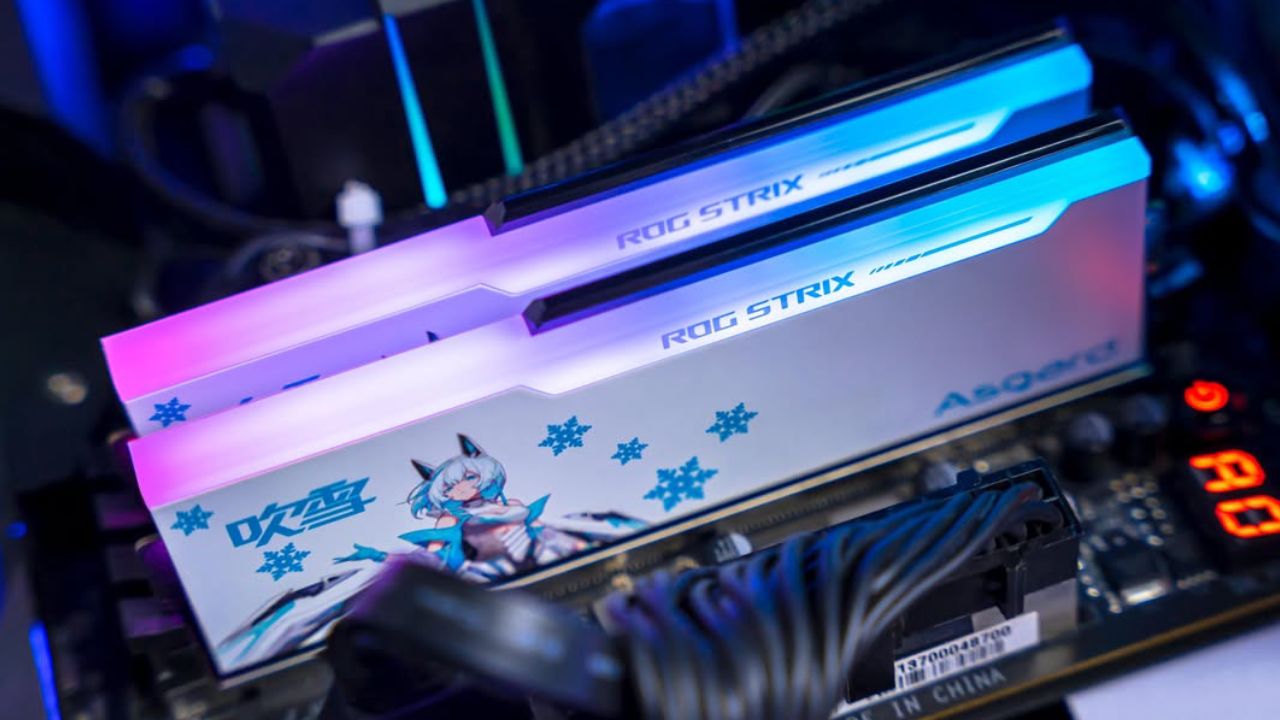
This is where ASUS officially began producing RAM under its new brand, ROG, with the launch of the first-ever ROG-branded DDR5 memory module. This was accompanied by the company's new memory configurations, up to 48GB, as well as high-speed DDR5 memory and reduced timings. ASUS collaborated with Biwin to manufacture the kits rather than producing the modules itself.
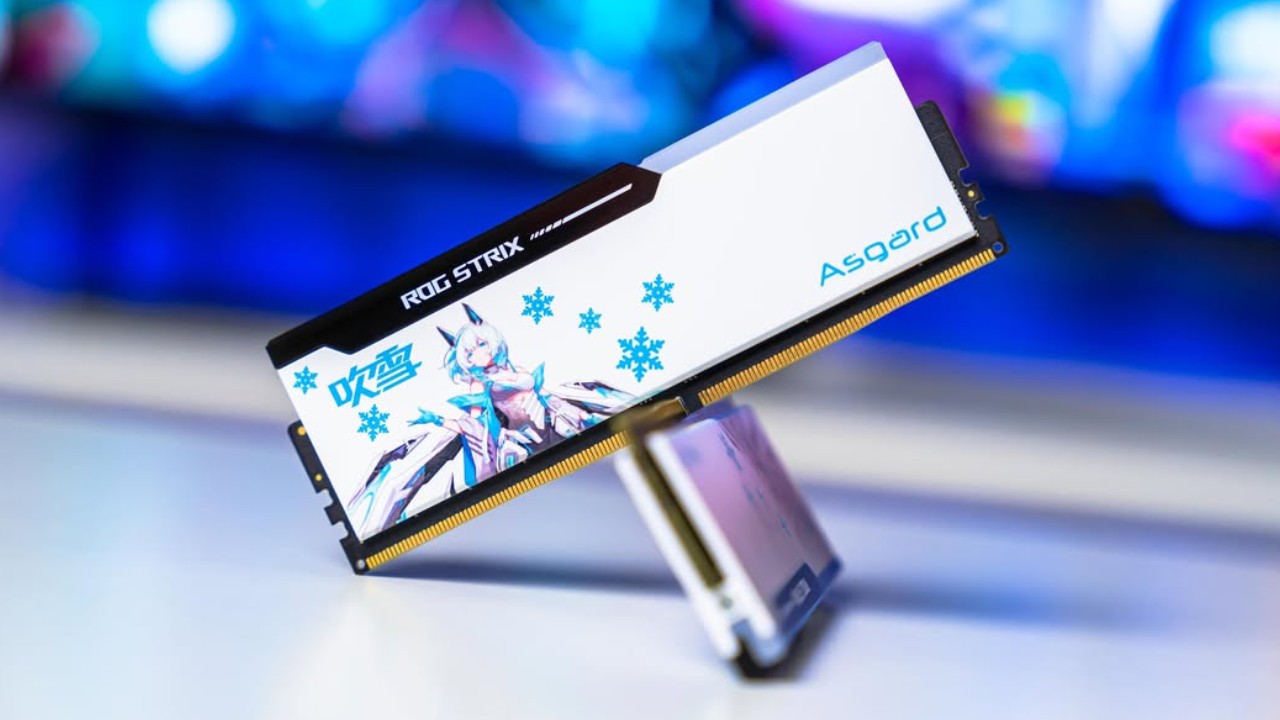
ASUS has created ROG-branded DDR5 Memory Kits
The launch coincides with the company's 20-year ROG birthday celebration, and the new Crosshair motherboards are accented with copper and retro design elements. The new memory kits add to ASUS's product offering, but they may not improve the market situation, as another big name entering the memory market could intensify competition for supplies.
The price of DDR5 has continued to rise, impacting PC builds. DDR5 costs still have a major role in PC Construction. This has already been the case with lower-capacity RAM, and it will most likely be even more interesting to watch DDR5 prices for higher-capacity models. In some of the best gaming PC builds, it has been reported that 96GB of DDR5 memory is more expensive than the graphics card itself.
Some of the top gaming PC builds were reported to be more expensive than the graphics card, with 96GB of DDR5 memory. As demand for AI, gaming, and workstation systems continues to increase, memory manufacturers are being squeezed. With more businesses vying for access to the allocation, consumers could see the prices of upgrades and premium DDR5 kits rise, while availability may drop throughout the year.
Likely, you'll also see system builders moving to smaller sizes to keep overall build prices down. DDR5 kits are among the most expensive components in modern enthusiast systems, and prices are rising.
Samsung Strike May Affect RAM Supply
But anxiety is building over supply as Samsung prepares for a major labor dispute over profit-sharing agreements, which could lead to a strike. Production lines are reportedly being slowed in anticipation of an 18-day strike period. Recent estimates indicate that during the strike, some 3% to 4% of the world's RAM supply might be affected.
Meanwhile, Samsung is still one of the largest memory producers in the business, so even if it slows production, it may affect availability overall across the PC market. The stir is over employee demands for profit-sharing deals like those extended by competitor SK Hynix.
Management and workers are reportedly tussling over compensation, as Samsung does not wish to set up the same compensation system. There are important financial estimates in this context. Daily losses could reach $2 billion, and long-term losses from production interruptions could reach $66 billion. The cost of worker demands that are linked to profit-sharing agreements is estimated at $20 billion.
If the strike escalates or extends beyond the current timeline, we can expect memory prices to increase again. With lower output from one of the industry's largest suppliers, DDR5 availability will decline, pushing up the cost of consumer upgrades to new gaming PCs or workstations.
Additionally, there could be a shortage of high-end DDR5 kits during the year due to supply chain disruptions.
The AI hardware market is booming, and there's even more competition for access to the memory now, making the RAM market another time of uncertainty. This is exacerbated by continued demand for DDR5, growth in AI infrastructure, and manufacturing complexities. Hardware vendors are still introducing new products, but with supply instability continuing to trickle down from key vendors, the situation could get tougher.
We are already witnessing some enterprises and AI-related deals over consumer-centric stock. If they persist, you'll end up paying more and getting fewer choices when gaming PCs or workstations are upgraded again later this year.
Editor, NoobFeed
Gaming Hardware Updates
No Data.