
CPU Market Changes and AI Hardware Competition Reshape PC Industry Trends
Memory supply concentration and AI demand pressure continue influencing consumer hardware pricing and long-term market availability trends.
Hardware by Nahe Yan on Feb 14, 2026
AMD is still doing well in the CPU market, while Nvidia is under increasing pressure. Companies are addressing the memory crisis, and there may now be ways to fix a long-standing problem that has been hurting PC gaming performance.
AMD's CPUs have been doing quite well. 5800X3D changed perceptions of the market by being a $450 CPU that could beat Intel's $600 chip in games. After that, AMD did the same thing with the 7800X3D, then they released the 7950X3D, a 16-core CPU, and then the 9000 series. Server chips also keep working well, albeit some applications don't work as well. In several situations, EPYC processors have outperformed Intel processors.
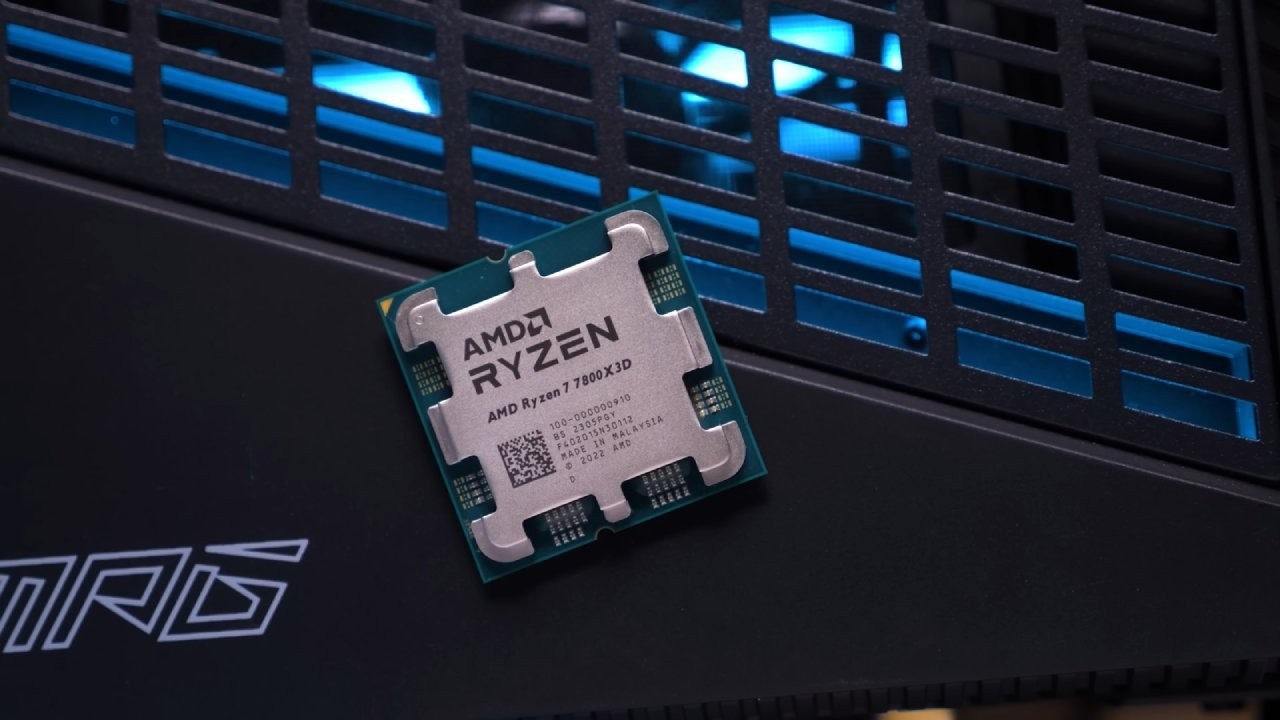
Growth in the AMD CPU Market
In the fourth quarter of 2025, AMD had a record 29.2% market share for all x86 CPUs shipped. AMD's desktop market share rose to 36.4%, up from the same period last year. There was a substantial increase in mobile CPUs and server chips. AMD has a 28.8% share of the market for server x86 CPUs and a 41.3% portion of the revenue.
We can see proof that a business can get back on top of the market. AMD could have gone bankrupt if the initial Ryzen generation had failed. AMD had help from Sony's PS4 in the past, but the big change started with the Zen architecture.
Concerns about Nvidia's Partnership and AI Hardware
The industry is putting pressure on Nvidia. After a $100 billion deal fell through, reports came out. NVIDIA and OpenAI announced a letter of intent to work together in September of last year. NVIDIA plans to spend up to $100 billion to build at least 10 gigawatts of capacity. Five months later, there was still no definitive agreement, and Nvidia's CEO said the sum was not a promise.
Reports said that many were unhappy with Nvidia chips, especially when it came to inference speed, which is how fast AI systems make replies while they are being used. OpenAI moved production workloads off of Nvidia's CPUs and onto Cerebras Systems chips. Particular reports said performance could be up to 15 times faster for certain workloads. NVIDIA said there are no problems between the two businesses, and OpenAI said they are still working together. As businesses move toward inference computing, we may see more firms stop relying on a single provider.
Changes in the Memory Market's Control and Supply
Three companies, Micron, SK Hynix, and Samsung, control around 95% of the memory market. When demand rises, this concentration makes prices fluctuate. Right now, manufacturers give AI clients priority since they need more memory at a higher price. As a result, consumer memory prices rose. New plants are being built, but they won't change supply for 1 to 2 years.
Acer said it is looking into new, smaller sources. Some providers have lately stepped up their DDR5 output. Even if some suppliers can't work in certain areas, balancing the worldwide supply can nevertheless help ease the load. Over time, this can help keep prices and demand stable. We can expect prices to change slowly as supply becomes more diverse.
Changes to Packaging and Memory Theft
As the prices of parts rose, memory theft rose too. Some stores removed RAM from showcase PCs. Corsair switched from cardboard boxes to clear plastic packaging. You can now see the right goods before you buy them, and stores can tell when someone returns the wrong ones. Right now, improvements are being made to the Vengeance 2 module configurations, and other items are getting security labels. Less theft can cut overhead expenses and help keep prices stable.
Final Thoughts
The price of hardware is crucial, but optimizing software can reduce the need for upgrades. GPU prices don't matter as much if you don't require new hardware. For years, technologies like DLSS and frame generation made games run better. Still, they also let creators release poorly optimized games.
Steam added a beta function that lets device specs be attached to reviews. You can see the performance context behind reviews. When reviewers say something runs smoothly, you can check whether theyare using high-end gear like next-generation CPUs and GPUs. The feature is optional, but peer pressure may make people want to use it more. Over time, we can expect hardware detection to become more accurate.
You can tell what the problem is if reviewers utilize RAM that doesn't work well or computers that aren't set up correctly. This information can demonstrate which games are optimized and which aren't over time. This can make developers work harder to improve their programs' performance.
Also, check our other AMD articles below:
- AMD Ryzen 9 9950X3D Review: Setting The Standard For 2025 Gaming CPU
- AMD Ryzen 7 9800X3D Review: 3D V-Cache Goes God Mode with Stunning Gaming Performance
- AMD RX 9070 Performance Review: Thermals, Clocks, and Real-World FPS
- AMD Ryzen 5 7600 Review: Best Budget Gaming CPU of 2025?
- AMD Radeon RX 7800 XT Review: RDNA 3 Power For Midrange Gaming
- Sapphire NITRO+ AMD Radeon RX 9070 XT Review: The Ultimate 4K Gaming GPU
- AMD Ryzen 7 7800X3D: Delivers Gaming Performance Far Beyond Expectations
- AMD Ryzen 9 7900X Review: Powering the AM5 Era with DDR5 & PCIe 5.0
- Intel Core i9‑14900K vs. AMD Ryzen 7 7800X3D: Power Profiles & Gaming Benchmarks
Editor, NoobFeed
Gaming Hardware Updates
No Data.