
DDR4 Gaming in 2026: AM4 vs. LGA1700 Performance and Upgrade Path Breakdown
Upgrade Path Analysis Shows Platform Longevity Differences Beyond Immediate Out-Of-Box Performance
Hardware by Tasnim Yoshi on Jan 26, 2026
The price of DDR5 is very high right now, prompting many manufacturers to consider using DDR4-based platforms instead. AMD AM4 and Intel LGA 1700 are two of the most feasible options at the same price point.
The most important questions are: which platform works better right away at the same price, and which has a stronger long-term upgrade path?
Test Philosophy and Budget Context
The comparison is based on a player who wants to develop or improve something while staying within a certain budget. On paper, the configurations are not identical because one has an Intel i5 CPU and the other a Ryzen 7-class CPU.
But when you use DDR4 memory with both the CPU and the motherboard, the overall cost is the same. To show the contrasts between the two platforms, both systems use the same GPU. Live gaming benchmarks are used to see how things work in the real world, and then controlled 1080p tests are conducted to stress the CPU and identify potential bottlenecks.
Platform Configurations and Pricing
The pricing for both configurations was kept as close as possible at $309 per CPU and motherboard pair. The AM4 setup has a Ryzen 7 5800XT and a B550M AORUS AX motherboard that go together. The Intel setup has an i5-12600KF processor and a Gigabyte B760M Gaming Plus Wi-Fi motherboard. Both systems share the same memory, which is switched between platforms to keep everything the same.
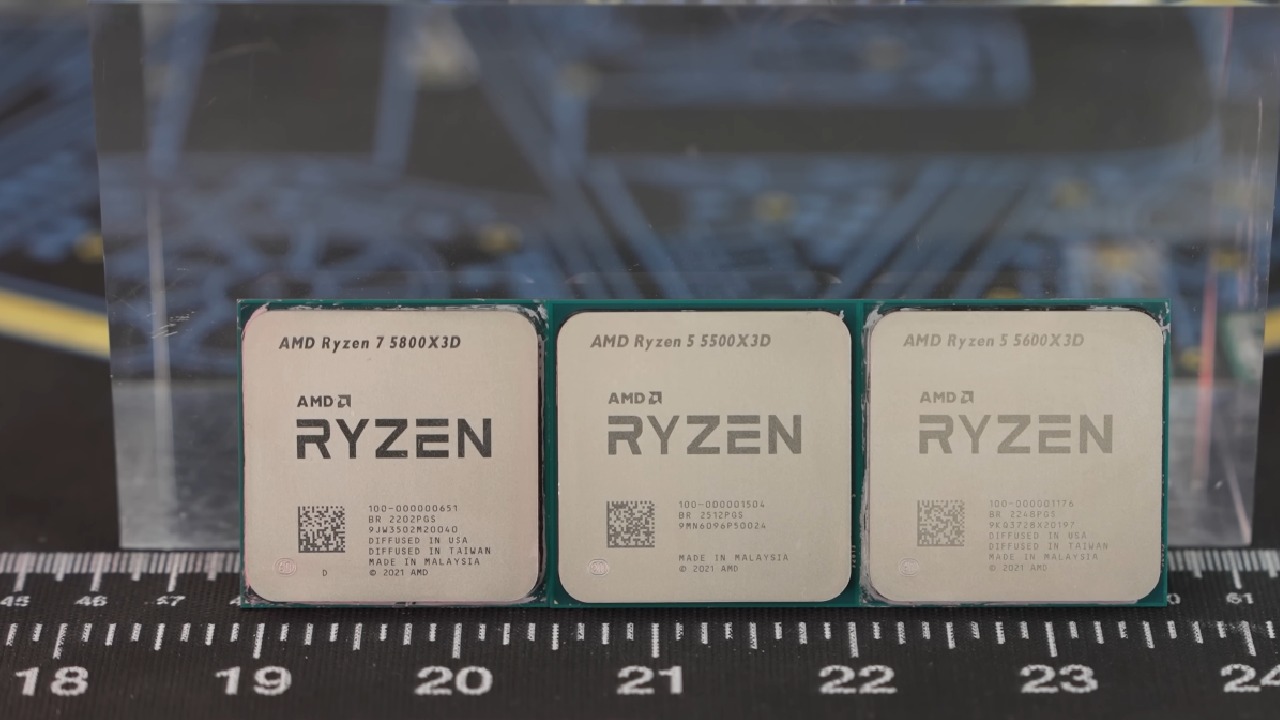
The AM4 platform is pretty much at the top of its performance range right now. The only real upgrade over the 5800XT would be an X3D chip, which is currently priced way too high for what it's worth. The LGA 1700 platform, on the other hand, is in the middle range, so you can upgrade to higher-tier i7 CPUs later if the motherboard is compatible.
Shared Components and Test Constants
Both systems use the same hardware to ensure identical outcomes. The memory is a 16GB DDR4-3200 CL16 kit. A 1 TB Gen 3 NVMe SSD is used for storage. Both CPUs use the same air cooler to keep them cool. The RX960XT16GB is the main GPU utilized for testing. It's a mid-range card that performs well for gaming at 1440p and is great for detecting CPU bottlenecks without putting too much strain on the platform.
Arc Raiders Performance at 1440p
We start testing Arc Raiders at 1440 p.m. with medium to high settings and FSR enabled. The AM4 system averages 102 frames per second, with a low of 58. Frame rates drop to about 90 fps in crowded parts of the city, but the game remains smooth and playable overall.
When you run the identical situation on the Intel system, you get pretty comparable results. The first averages are slightly higher, and recovery after hard scenes seems slightly better. The final findings reveal an average of about 110 frames per second, with the lowest 1% being 67 frames per second. The Intel platform has a little edge in consistency and minimum frame rates, even if the test wasn't fully controlled.
Battlefield 6 Performance at 1440p
Even at 1440p, Battlefield 6 puts a lot more stress on the CPU. On the AM4 platform, the average frame rate is roughly 85 fps, with a minimum of 37 fps. When things get really heated, you may hear stutters, which means that the CPU is the problem, not the GPU.

With identical settings, the Intel system performs better, averaging 106 frames per second with a low of 50. The frame timing is smoother, with fewer stutters. This shows that the i5-12600KF is better for modern games that require a lot of CPU power when upscaling at higher resolutions.
Side-by-Side 1080p CPU Stress Testing
To get a better idea of how well the CPU works, a number of tests were done side by side at 1080p. The AM4 platform shockingly beats Intel in CS2 at low settings, averaging 530.7 fps and reaching a 1% low of 180.6 fps. Intel's average is 441 fps, and its 1% low is 177fps. This means that this esports workload runs better on a single core.
Intel wins in Assassin's Creed Shadows at 1080p high settings because it has higher averages and far better minimums. This makes the game run more smoothly, even though the maximum frame rate is slightly lower.
Cyberpunk with high settings at 1080p is similar. The Intel system has higher averages and lower minimums, indicating it performs more consistently overall. The variances in maximum frame rate are quite small and within the range of error.
High-End GPU Scaling with RX 9070XT
We tested both CPUs with an RX 9070 XT 16 GB and 3DMark Time Spy to see how much room there was for a GPU upgrade. A reference system with a 9800X3D achieved a total score of 25378, which serves as the starting point.
The AM4 system scores 22816, with a GPU score about the same as the baseline and a CPU score far lower. The Intel system gets a higher overall score of 24337, thanks to a better CPU score, but its GPU score is a little lower than AM4's. Both systems show they can handle a higher-end GPU at 1440p without issues, though neither is as fast as a current X3D-based machine.
Upgrade Path and Long-Term Value
At this point, the AM4 platform is pretty well fully optimized. There isn't much left in the way of CPU upgrades that are worth the money or hard to find. On the other hand, LGA 1700 still lets you go up, with upgrades to higher-tier i7 CPUs that can greatly extend the system's lifespan.
Both platforms perform well at the same price, but Intel's LGA 1700 platform has more room for future upgrades. The performance of each title is different. For example, AM4 is better for specific esports games, whereas Intel is better for newer AAA games.
Final Verdict
If they cost the same, both AM4 and LGA 1700 are good DDR4 platforms for a current gaming setup. There aren't many differences in short-term performance, and they depend heavily on the workload.
When you think about long-term flexibility and the ability to update the CPU, though, LGA 1700 comes out on top as the better choice. In the end, the current market price should be the main factor in the final selection, since sales and availability can quickly change the value equation.
Also, check our other AMD articles below:
- AMD Ryzen 9 9950X3D Review: Setting The Standard For 2025 Gaming CPU
- AMD Ryzen 7 9800X3D Review: 3D V-Cache Goes God Mode with Stunning Gaming Performance
- AMD RX 9070 Performance Review: Thermals, Clocks, and Real-World FPS
- AMD Ryzen 5 7600 Review: Best Budget Gaming CPU of 2025?
- AMD Radeon RX 7800 XT Review: RDNA 3 Power For Midrange Gaming
- Sapphire NITRO+ AMD Radeon RX 9070 XT Review: The Ultimate 4K Gaming GPU
- AMD Ryzen 7 7800X3D: Delivers Gaming Performance Far Beyond Expectations
- AMD Ryzen 9 7900X Review: Powering the AM5 Era with DDR5 & PCIe 5.0
- Intel Core i9‑14900K vs. AMD Ryzen 7 7800X3D: Power Profiles & Gaming Benchmarks
Subscriber, NoobFeed
Gaming Hardware Updates
No Data.