
Frame Generation on Blackwell: Benefits, Limits, and Future Potential
Blackwell introduces notable performance gains at the high end while revealing architectural limits across the broader GPU stack.
Hardware by Tanvir Kabbo on Jan 07, 2026
The Blackwell range from Nvidia was a transitional generation that showed both the pros and cons of using the same process technology as the Ada series. The flagship GPU made a big stride forward, but the rest of the stack showed smaller advances, underscoring how hard it will be to switch nodes in the future and how much it will cost to make more.
Pricing, driver stability, and VRAM configurations played major roles in defining how the series was received across the enthusiast landscape.
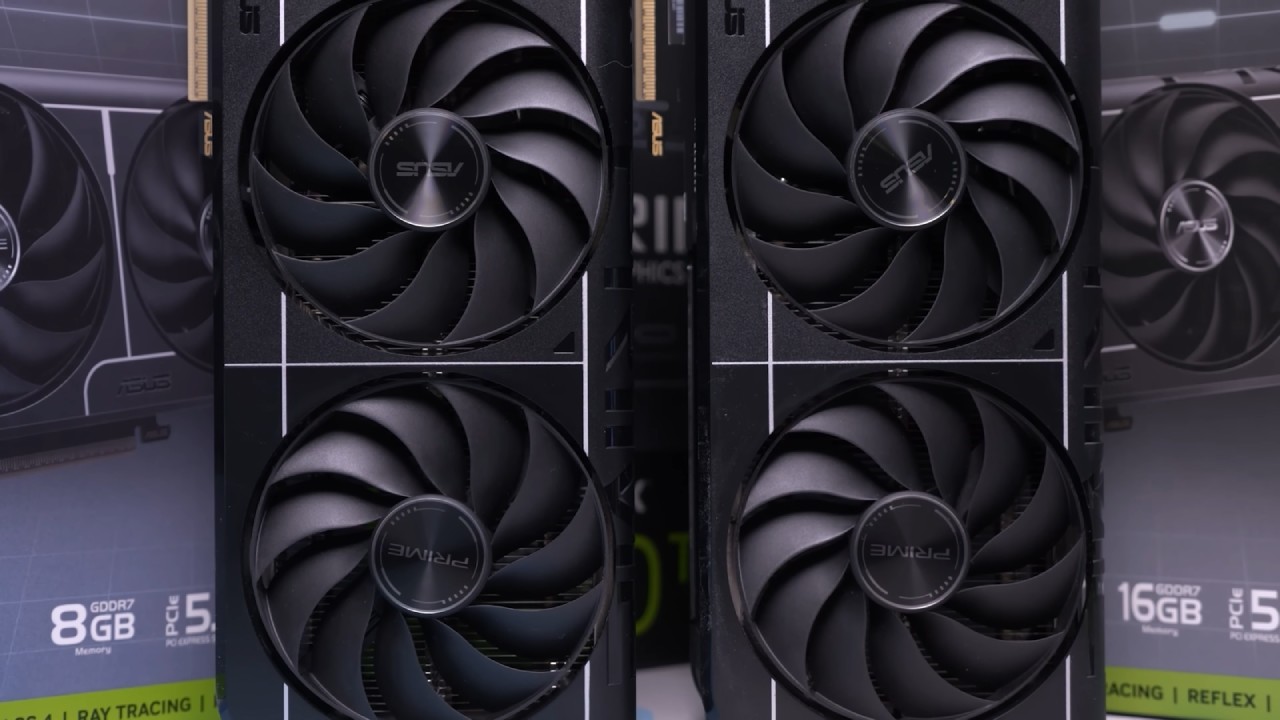
RTX 5090 as a Halo Product
We felt that Nvidia did deliver a proper Halo product with the RTX 5090. It is roughly 25–35% faster than the RTX 4090, which is impressive considering how difficult it already is to find the limits of a 4090 in today's games—especially when you're using DLSS.
Having that big step up in performance, combined with frame generation, makes the card feel genuinely awesome. However, the performance headroom is so high that it often feels like we're never truly hitting the limits of what it can do unless you're running a 240hz 4K monitor, where you can start to see it really fly, particularly with frame generation and multi-gen.
Limited Gains Across the Rest of the Stack
The RTX 5080 lands about 10–15% faster than the RTX 4080 Super. The gains were always going to be small because Blackwell and Ada use the same process node. It suggests a future in which upgrades to new nodes occur less often.
When they do, chips cost more, resulting in fewer CUDA cores than in earlier generations. The result is a lineup that seems to be in the middle of something.
Blackwell also encountered unexpected driver issues during the first few months, which dampened the experience. By the end of the year, with most cards available at MSRP and nothing better expected for a while, you can legitimately start considering buying into the lineup—assuming you want to avoid uncertainty around GDDR7 supply and future product timing.
NVIDIA’s Software Evolution
Blackwell's introduction at CES was a strong moment for Nvidia, showcasing ongoing software improvements and the launch of its transformer model. MFG appeared convincing, and we would recommend it in most games for those wanting 240hz or even 360hz experiences.
The challenge comes when comparing prices to previous generations. It's hard not to feel a little sorry that there isn't a great mid-range product anymore when you think of GPUs like the GTX 970. The 5090, which is at the very top of the price range, is still unbeatable, but it's very expensive. Moving down the stack means giving up more and more.
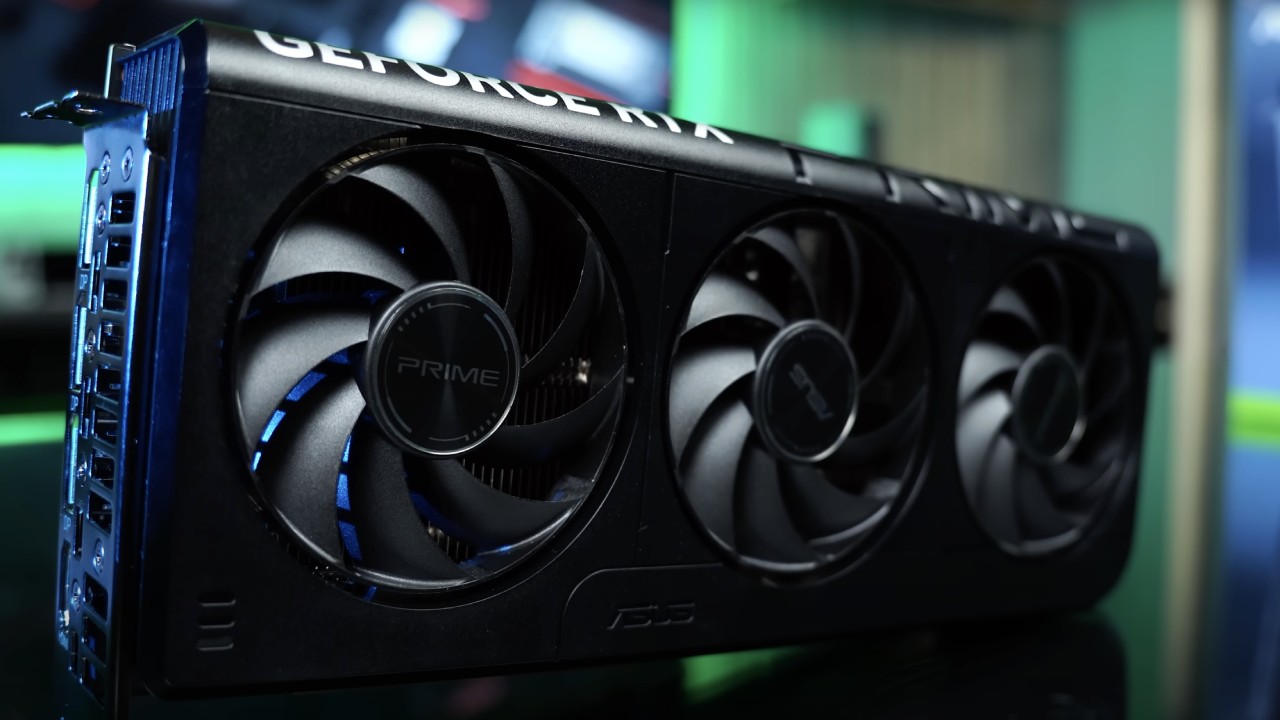
Mid-Range and the VRAM Problem
The RTX 5070 series makes these trade-offs quite evident. The RTX 5070 Ti has 16GB of VRAM, which is a good amount, but AMD's 9070 XT is a powerful contender at a lower price. The RTX 5070 is strong, but it only has 12GB of memory, which limits its flexibility at 4K.
This affects path-tracing workloads, as BVHs' sizes place greater demand on VRAM. You can achieve great lighting results, but you must trade texture quality to make it work, which is not ideal considering the cost.
Blackwell's early reviews didn't help. The 5080 and 4080 looked extremely close at launch, and while driver updates have improved things, the initial impression stuck. The absence of a true 4090 replacement in the Blackwell lineup also feels like a missed opportunity.
As the 4090 phases out, there's no middle-ground option within Blackwell offering 24GB of VRAM, meaning the jump between the 5080 and 5090 is a massive gap. We always felt the 5080 should have been a bigger card with a wider bus and more VRAM—even if performance stayed the same.
Value and Overclocking Considerations
The 5080 is basically half of the 5090, and it costs the same. You can overclock it to achieve performance similar to the 4090 in some games, but this class of GPU shouldn't need to. The overclocking flexibility suggests that future Super models may feature better RAM.
The 5070 became much more appealing after dropping below MSRP, and we now find it fairly recommendable. Many early review concerns centered on market pricing and availability, which are no longer major issues.
Looking across Nvidia and Radeon A4, there aren't many bad products anymore—except the 8GB versions of the 5060 Ti and 5060. The 5060 would have been a lot better with 12GB, but its setup makes sense, even though it's not what I wanted.
Frame Generation Challenges Lower in the Stack
It costs more to make frames deeper down the stack, since it takes more computing resources per frame. This means that it is less useful just when you need it the most. When using MFG on a 5070, you need to think carefully about latency and settings because the extra delay can pile up.
NVIDIA still has a long way to go before frame creation is as smooth and widely recommended as DLSS Super Resolution. Fixing the latency problem will be very important, however buffering a frame always comes with problems. We are very interested to see what a new DLSS generation might bring next year.
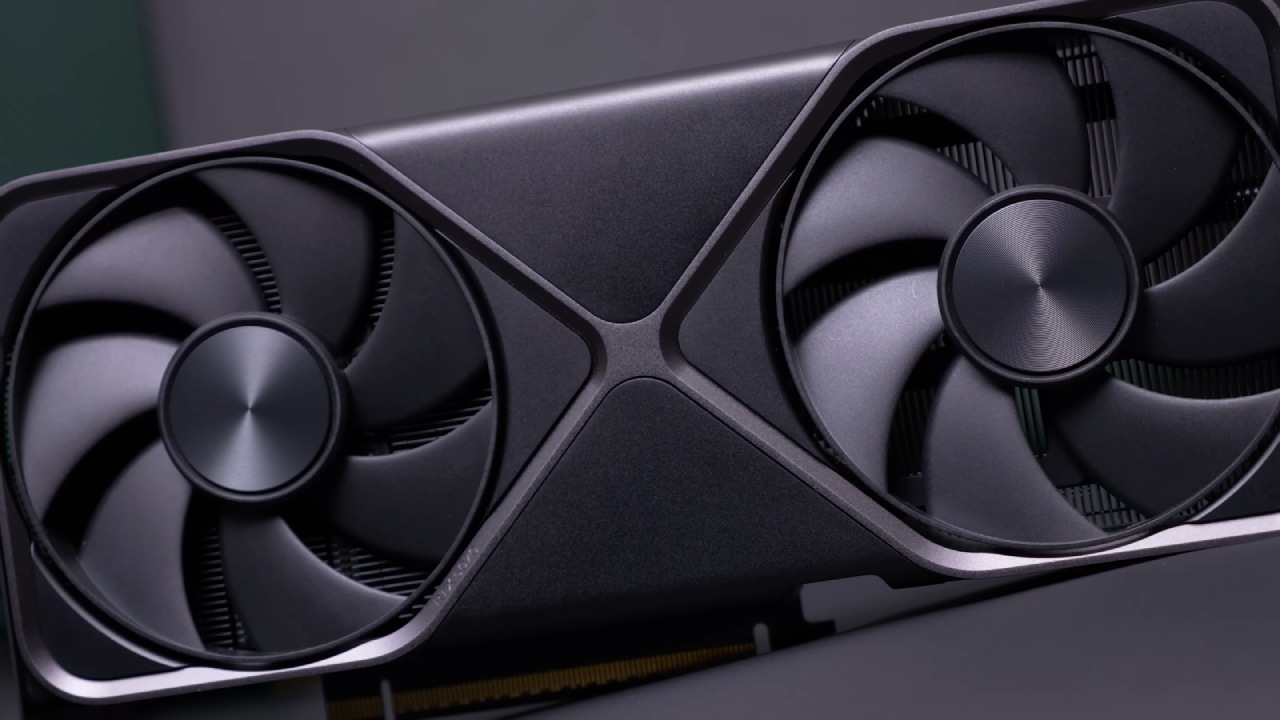
Performance at the High End
At the very top end, the 5090 extends Nvidia's lead but isn't meaningfully more efficient than the 4090. More wattage simply produces more performance, and many games cannot even saturate a 5090. Some workloads run at just 150–200w, barely spinning the fans. The card can only be pushed harder with high-end ray tracing or complete path tracing.
Blackwell's dual-pumped integer math and doubled ray-triangle intersection rate on RT cores look wonderful on paper. Still, they don't make a big difference in most workloads. Most of the gains seem to come from intensive path-traced workloads. In general, the architectural enhancements don't seem as big as Nvidia's regular generational jumps.
Pricing Dynamics and the Legacy of Marketing Claims
The news about the 70-class cost is interesting. The biggest price surge occurred during the 20-series era, when the MSRP rose to $500. The 70-class is around $550 right now, and sales are pushing it lower, so that section of the market is doing well.
"4090 performance" promise for the RTX 5070 damaged Nvidia because it fooled no one and got worse with time. Even if the card is now a good deal, early marketing mistakes nevertheless cast a shadow over reviews.
Also, check our other NVIDIA articles below:
- NVIDIA GeForce RTX 5080 Review (2025): Still A 4K Gaming Powerhouse?
- NVIDIA RTX 5070 Review: Mid-Range Muscle or Marketing Hype?
- RTX 5070 Ti Review: Performance, Thermals & Power Efficiency Tested
- ASUS GeForce RTX 5090 LC Liquid Cooled GPU Review: Unmatched Silence & Speed
- MSI GeForce RTX 5090 32GB SUPRIM SOC Review: Power Efficiency, Cooling, and Gaming Performance
- INNO3D RTX 5060 Ti 16 GB X2 Review: Gaming Benchmarks, Temps, and Power Efficiency
- HP Omen 45L Review: RTX 5090 Performance, Thermals, and Value Analysis
- ASUS TUF Gaming GeForce RTX 5060 Ti Review: DLSS 4, Power Efficiency, and Gaming
- ASUS Prime RTX 5060 Ti OC 16GB Review: DLSS 4, Ray Tracing, & Thermals Tested
- NVIDIA GeForce RTX 5060 Review: Specs, Gaming, and Cost per Frame
- MSI GeForce RTX 5090 GAMING TRIO OC Review: A Monster Power GPU
Senior Editor, NoobFeed
Gaming Hardware Updates
No Data.