
How Much RAM is Enough for Gaming and Everyday Performance
Modern gaming performance depends more on balanced system design than excessive memory capacity or extreme RAM speeds.
Hardware by Tanvir Kabbo on Dec 13, 2025
Price and availability of system memory have impacted what people think a modern gaming PC needs for years. Prices stayed low for a long time, and people's ideas about what they needed slowly changed.
That long-standing imbalance has now corrected itself, forcing a reassessment of what users truly need rather than what they became accustomed to buying.
How Cheap RAM Distorted Buyer Mindset
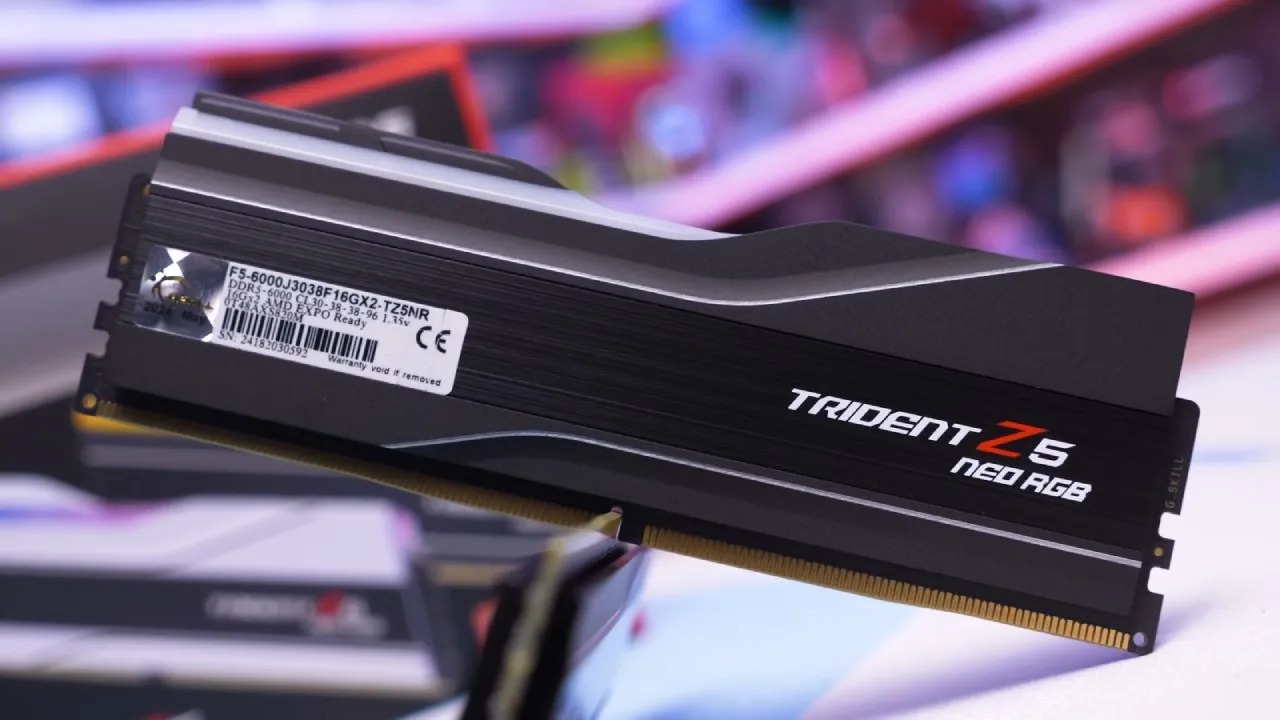
RAM remained inexpensive for a long time, especially during the early stages of DDR5's maturity. Since 64GB kits were so cheap, many builders began to see them as a basic necessity rather than a luxury. People started to think that a modern system needed at least 64GB of RAM, especially when it had high-end GPUs. That notion stayed strong, even if the practical benefits were rarely seen in real-life gaming situations.
Prices are usually high, capacities are limited, and speeds are slow when new memory standards come out. Over time, manufacturing improves, production increases, and costs decline. DDR5 followed that pattern quite closely, and at one point, it was very cheap to get enormous amounts of storage and fast speeds. That strange price window changed people's thinking and made them less aware of what they really needed to do.
DDR4, DDR5, and Generational Context
When DDR4 came out in 2013–2014, 8GB sticks were the norm, and most gaming systems could handle 16GB without any problems. More than a year later, game requirements have grown, but they haven't kept up with the rise in memory capacity expectations. With DDR5 launching with 16GB sticks as standard, 32GB quickly became viewed as the minimum, largely because kits are typically sold as matched pairs.
While DDR5 technically runs dual-channel per stick, consumer buying habits still center on two-stick kits. Fans went even further, choosing 64GB or even 128GB configurations without thinking about memory controller limits or actual workload needs.
Why Extreme Capacities Create More Problems Than Benefits
Running memory at very high speeds often causes stability problems. When using large kits, systems typically have to revert to JEDEC speeds, since the CPU's built-in memory controller can't handle the load at the claimed XMP or EXPO profiles. While firmware and BIOS improvements have made this easier over time, the fundamental limitation remains.
Even today, running 128GB of RAM offers no tangible benefit for gaming and represents wasted expense. In many cases, even 64GB provides no measurable advantage. In fact, reducing from four sticks to two can improve stability while freeing up budget.
Hidden Cost of Non-Binary RAM
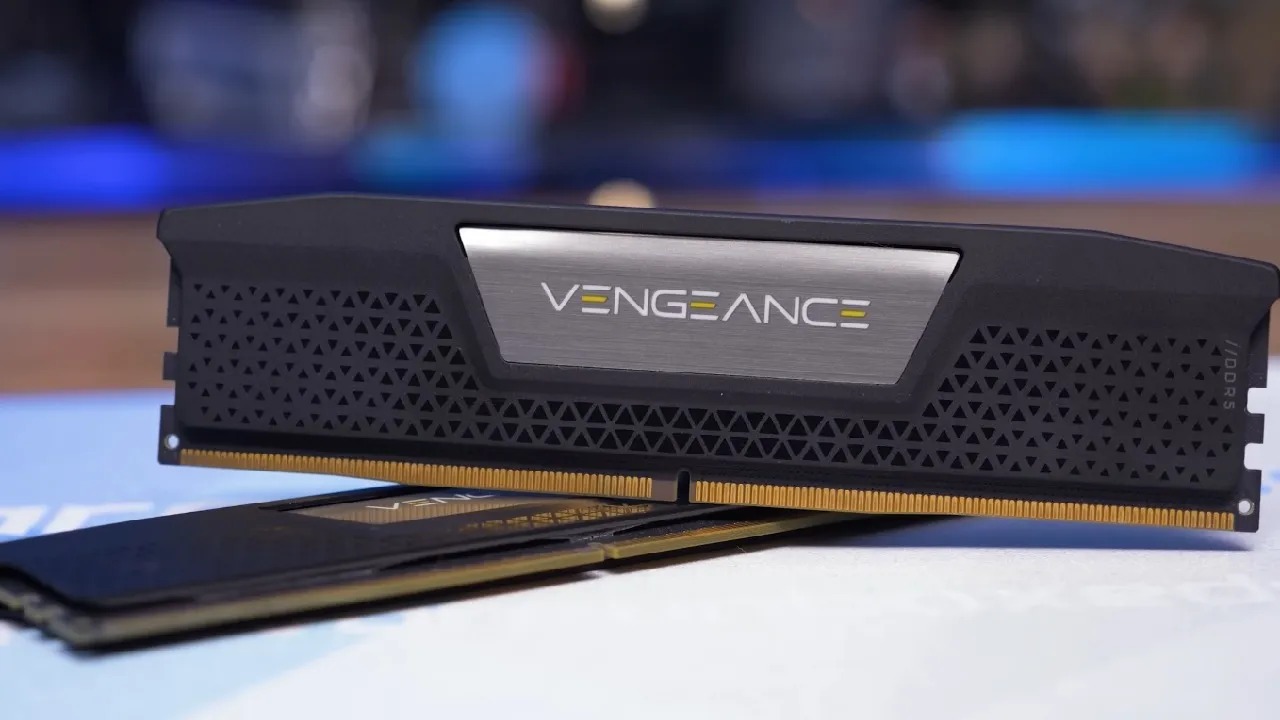
Non-binary memory setups, like 24GB sticks that make 48GB or 96GB kits, make things much more complicated. These modules have always cost more than they were worth. Also, they put more load on the integrated memory controller than regular binary quantities like 8GB, 16GB, or 32GB.
That stress can slow down memory speeds, make the memory controller work harder, and stop stated profiles from working properly. Making non-binary memory is also more expensive, which is why the prices are so different even though the speeds and timings seem to be the same. For these reasons, non-binary RAM should be avoided entirely, especially in the current pricing environment.
What You Actually Need for Gaming Today
For gaming PCs, 32GB of RAM is still more than enough. You don't even need memory running at 6000 MT/s. In situations where the CPU is the limiting factor, faster speeds can give tiny improvements. However, the differences between 5200MT/s, 5600MT/s, and 6000MT/s in the real world are very small. Most of the time, the difference is within the margin of error.
We have tested these variations extensively, and even with top-tier GPUs, performance gains rarely exceed a few percentage points. On more typical graphics cards, the difference often rounds down to zero. Claims that 5200MT/s memory is unusably slow are rooted in misinformation rather than data.
Pricing Distortions and the Impact of Market Demand
The price of memory has gone up a lot because there isn't enough of it, and other industries need it. The cost of making RAM hasn't changed much, but the prices that stores charge for it have gone up a lot. Modules that used to cost a small amount now have much bigger margins.
This has created a disconnect between price and value. While RAM is undeniably overpriced today, that does not change the technical reality of what is required. Paying more does not suddenly make higher capacities necessary.
Single-Stick Configurations and Upgrade Risks
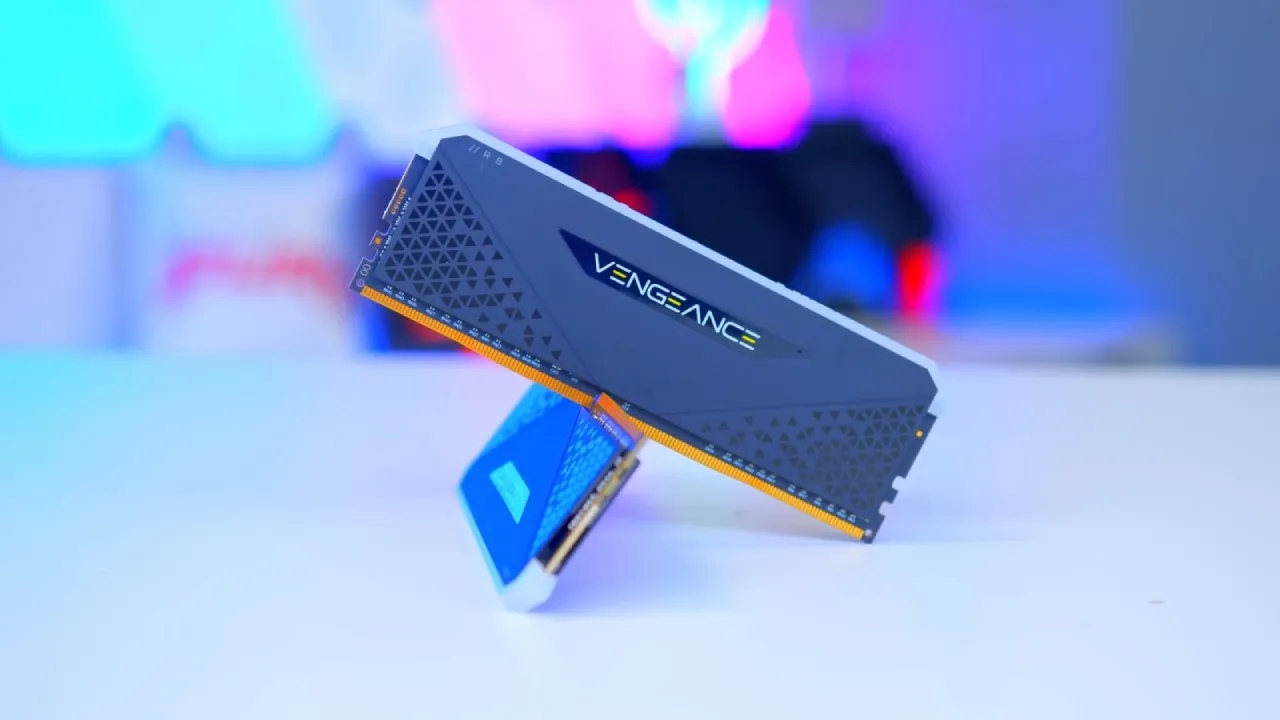
Some purchasers consider starting with one stick and adding another later. This can work, but it's not without risk. The factory checks and matches memory kits. Two sticks that appear identical but were bought separately are not guaranteed to work together at the speeds they claim.
There are still no assurances, even though BIOS upgrades and better validation have made things more compatible. Even so, it's usually better to operate two sticks at JEDEC rates than one stick at higher speeds. In most real-world situations, bandwidth and capacity are more important than peak transfer rates.
If prices normalize later, upgrading to a matched kit and repurposing the original stick as a backup is often the safest approach.
Final Thoughts
Anyone claiming that more than 32GB of RAM is required for a gaming PC is simply incorrect. That applies to both DDR4 and DDR5 systems. The idea that systems with lower memory speeds or capacities are inherently inferior is based on arrogance rather than evidence.
If you are building a system today, especially for the first time, ignore voices insisting that excessive memory is mandatory. Focus on balance, stability, and value. The performance you gain from overspending on RAM is negligible, while the cost is very real.
Understanding this distinction protects your budget and ensures your system performs exactly as it should—without unnecessary expense.
Also, check our other hardware articles:
- AMD Ryzen 9 9950X3D Review: Setting The Standard For 2025 Gaming CPU
- Amazon Luna 2025 Review: Is Prime Gaming's Cloud Service Your Go-To For Casual Fun?
- AMD RX 9070 XT Review: AMD's RDNA 4 Champion for 1440p Gaming
- GeForce Now Ultimate: Ditching Your Gaming PC For Cloud RTX 4080 Power?
- NVIDIA GeForce RTX 5080 Review (2025): Still A 4K Gaming Powerhouse?
- Intel Core Ultra 9 285K Review And Performance Breakdown (2025)
- AMD Ryzen 7 9800X3D Review: 3D V-Cache Goes God Mode with Stunning Gaming Performance
- Intel Core Ultra 9 285K vs AMD Ryzen 7 9800X3D: In-Depth Gaming Performance and Benchmark Comparison
- NVIDIA GeForce RTX 5080 Super Performance In Cyberpunk 2077: Path Tracing & DLSS 4.0 Tested
- AMD Radeon RX 9070 XT In Cyberpunk 2077: Ray Tracing & FSR 4.0 Tested
- Intel Arc B580 Review: The $250 GPU Revolutionizing 1440p Gaming
- Intel Arc B570 Vs. B580: Value, Specs, And Real-World Gaming Performance
- RTX 5090 Laptop Vs. M4 Max MacBook Pro: Ultimate Raw Performance Vs. Battery Endurance
- Intel Arc b580 Vs. RTX 4060: Game Performance And Value Analysis
- RTX5090 Hell Is Us Demo 4K Ultra Benchmark: DLSS Vs. Native Performance Guide
- NVIDIA RTX 5070 Review: Mid-Range Muscle or Marketing Hype?
- Nintendo Switch 2 Review: Handheld Performance, Features & Value Breakdown
- RTX 5070 Ti Review: Performance, Thermals & Power Efficiency Tested
- Samsung Odyssey OLED G81SF Review 2025: Ultimate 32-Inch QD-OLED Gaming Monitor
- AMD RX 9070 Performance Review: Thermals, Clocks, and Real-World FPS
- AMD Ryzen 5 7600 Review: Best Budget Gaming CPU of 2025?
- AMD Radeon RX 7800 XT Review: RDNA 3 Power For Midrange Gaming
- Asus ROG RTX 5090 Astral OC Vs. Founders Edition: The 4K Gaming Benchmark
- Intel Core i5-13400F Gaming Performance: Still Worth It in 2025?
- ASUS GeForce RTX 5090 LC Liquid Cooled GPU Review: Unmatched Silence & Speed
- ASUS ROG Ally X Handheld Review: Double the Battery, Double the Comfort
- Lenovo Legion Go S Review: The Ultimate Steam Deck 2 Alternative
- Sapphire NITRO+ AMD Radeon RX 9070 XT Review: The Ultimate 4K Gaming GPU
- Alienware 16 Area 51 Review: The Ultimate 2025 Gaming Laptop
- Alienware Area-51 Review: Unmatched 4K, Thermal, and Acoustic Performance
- AMD Ryzen 7 7800X3D: Delivers Gaming Performance Far Beyond Expectations
- AMD Ryzen 9 7900X Review: Powering the AM5 Era with DDR5 & PCIe 5.0
- Intel Core i9‑14900K vs. AMD Ryzen 7 7800X3D: Power Profiles & Gaming Benchmarks
- Intel Core i9 14900K: Specs, Benchmarks, and Competitor Comparison
- ASRock Radeon RX 7800 XT Challenger OC Review: Best Price-to-Performance GPU of 2025
Senior Editor, NoobFeed
Gaming Hardware Updates
No Data.