
Intel Resets CPU Strategy as MSI 16-Pin Concerns and AMD FSR 4 Delays Surface
Major CPU architecture changes, GPU power delivery concerns, and feature rollout frustrations define today’s hardware landscape.
Hardware by Tanisha Aria on Feb 27, 2026
Intel changes its CPU strategy amid worsening problems with GPUs and platforms. Once more, the hardware space is changing, this time with big changes coming from CPU makers and GPU ecosystem players.
The current conversation is shaped by competitive pressure, features that aren't ready yet, worries about power delivery, and rules that support drivers. Others are being watched closely to ensure they carry out their plans consistently, while others are refining their long-term design direction.
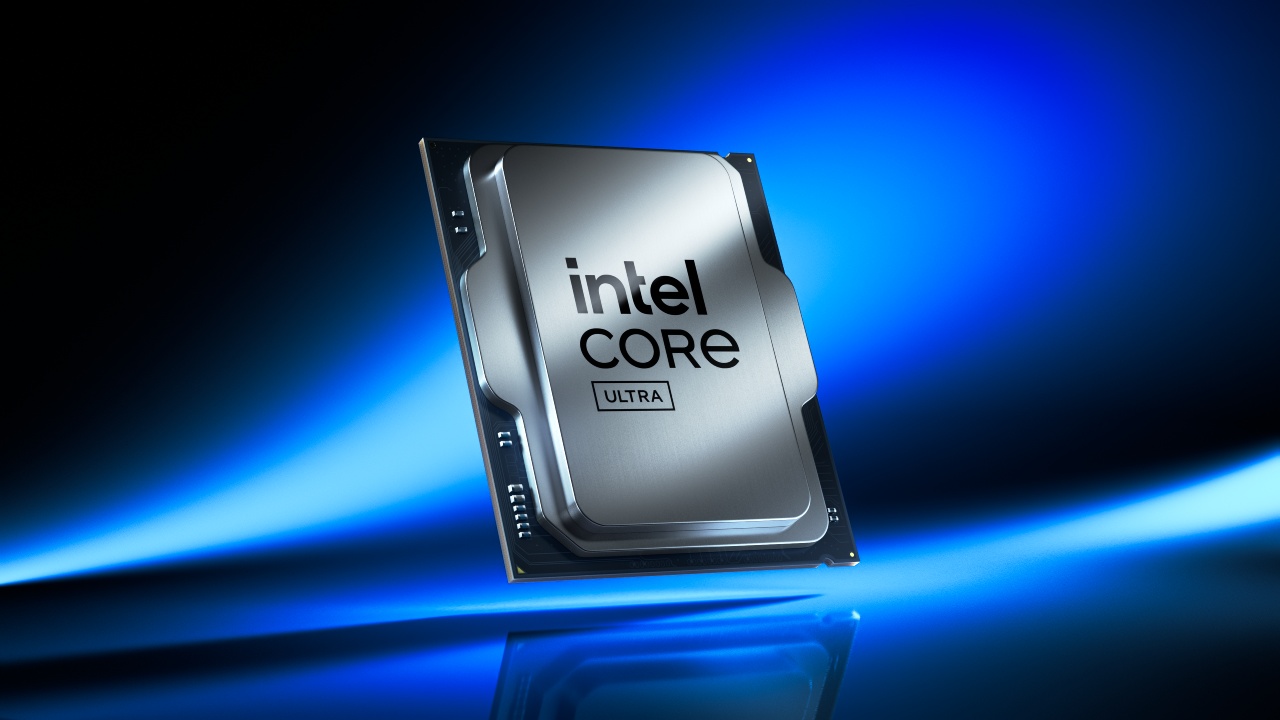
Intel Moves Back Toward Unified Core Design
Intel looks ready to return to a unified-core design like it had before the 11th generation. The phrase "unified core team" suggests the company might be eliminating its P-core and E-core split in favor of a more uniform approach.
Intel's hybrid big-little design has been improving performance for years, especially in workloads with many threads. Intel found a good balance between efficiency and raw power with this architecture, but it has been hard to keep up with AMD. Losses in market share and tough competition have made it clear that getting better might not be enough on its own.
A unified core approach might make scheduling easier, ensure that all workloads are handled consistently, and even make architecture simpler. AMD has tried out some of its own structural innovations. Still, its mainstream desktop CPUs have mostly stuck to a single-core strategy. If Intel completely changes its direction, it will be a major strategy reset, not just a small tweak.
Now the question is whether this change can bring back competitive balance or if it comes too late in the cycle.
MSI's 16 Pin Connector Concerns Resurface
Reliability in power supply is once again in the spotlight. According to user reports, MSI's 16-pin GPU power plugs with yellow tips may loosen over time. The bright tip was first made so that you could see if you were putting it in correctly.
Some users have found, though, that the connection can still slightly come loose even when the yellow part is mostly hidden. In high-power GPUs, even a small separation can raise resistance, leading to heat buildup and, in the worst cases, melting.
MSI has admitted that some cases are broken and has started RMAs where needed. Concerns about 16-pin connections are common, but not all of them seem to be universal. Modern GPUs require a lot of power, and the connector specs must be very close.
If you are using a 16-pin cable to connect a high-end GPU, it is an easy but important safety measure to ensure the connector is fully seated and securely fastened.
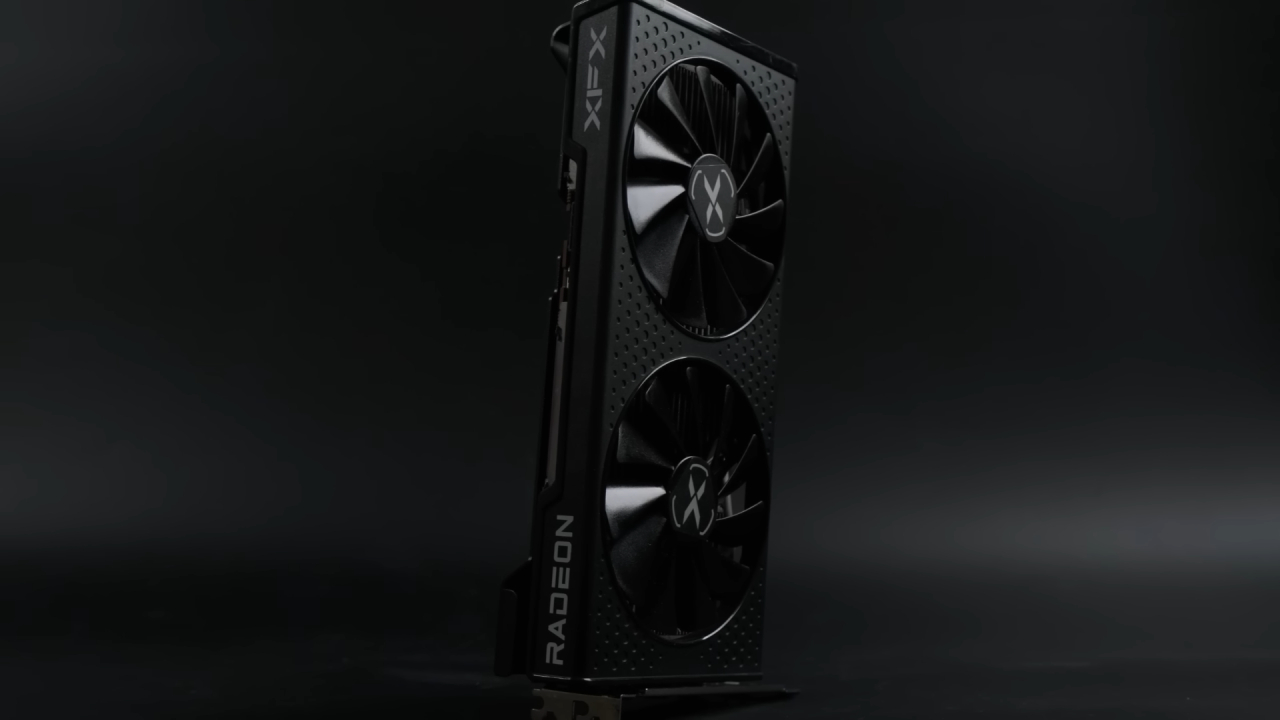
AMD's FSR4 Redstone Finally Expands
There are now more games that use AMD's FSR4 Redstone technology. After a lot of hype and marketing, Crimson Desert will definitely include Redstone features, such as advanced reconstruction tools.
But the spread has been slower than many fans expected. AMD said that Redstone was a big step forward in image clarity and was on par with the competition. Game interaction, on the other hand, has been slow to come out, rather than all at once.
To make things even more complicated, AMD is reportedly ending official driver support for the Z1 Extreme chip, even though the hardware is still being sold in devices. Open-source Linux drivers may still get updates from the community. Still, many users want official long-term support on all major systems.
In the GPU world, consistency is very important. When companies stop supporting gear that is still on the market, it angers customers and erodes trust. No matter which company makes the GPU, users expect stable, predictable lifecycle promises.
Competitive Pressure Is Forcing Strategic Adjustments
Intel's decision to rethink its architecture, MSI's concerns about the stability of its connectors, and AMD's uneven feature use all point to the same thing: competition in the hardware market is heating up.
Architectural changes convey urgency. Problems with power transfer show how small mechanical errors can have big effects. Just as much as raw performance numbers, feature delays, and driver choices affect how people think about a business.
As the next wave of CPUs and GPUs approaches, marketing will matter less than getting things done. Users are paying close attention, and the next generation of hardware leaders will be those who combine speed, reliability, and long-term support.
Also, check our other hardware articles:
- AMD Ryzen 9 9950X3D Review: Setting The Standard For 2025 Gaming CPU
- Amazon Luna 2025 Review: Is Prime Gaming's Cloud Service Your Go-To For Casual Fun?
- AMD RX 9070 XT Review: AMD's RDNA 4 Champion for 1440p Gaming
- GeForce Now Ultimate: Ditching Your Gaming PC For Cloud RTX 4080 Power?
- NVIDIA GeForce RTX 5080 Review (2025): Still A 4K Gaming Powerhouse?
- Intel Core Ultra 9 285K Review And Performance Breakdown (2025)
- AMD Ryzen 7 9800X3D Review: 3D V-Cache Goes God Mode with Stunning Gaming Performance
- Intel Core Ultra 9 285K vs AMD Ryzen 7 9800X3D: In-Depth Gaming Performance and Benchmark Comparison
- NVIDIA GeForce RTX 5080 Super Performance In Cyberpunk 2077: Path Tracing & DLSS 4.0 Tested
- AMD Radeon RX 9070 XT In Cyberpunk 2077: Ray Tracing & FSR 4.0 Tested
- Intel Arc B580 Review: The $250 GPU Revolutionizing 1440p Gaming
- Intel Arc B570 Vs. B580: Value, Specs, And Real-World Gaming Performance
- RTX 5090 Laptop Vs. M4 Max MacBook Pro: Ultimate Raw Performance Vs. Battery Endurance
- Intel Arc b580 Vs. RTX 4060: Game Performance And Value Analysis
- RTX5090 Hell Is Us Demo 4K Ultra Benchmark: DLSS Vs. Native Performance Guide
- NVIDIA RTX 5070 Review: Mid-Range Muscle or Marketing Hype?
- Nintendo Switch 2 Review: Handheld Performance, Features & Value Breakdown
- RTX 5070 Ti Review: Performance, Thermals & Power Efficiency Tested
- Samsung Odyssey OLED G81SF Review 2025: Ultimate 32-Inch QD-OLED Gaming Monitor
- AMD RX 9070 Performance Review: Thermals, Clocks, and Real-World FPS
- AMD Ryzen 5 7600 Review: Best Budget Gaming CPU of 2025?
- AMD Radeon RX 7800 XT Review: RDNA 3 Power For Midrange Gaming
- Asus ROG RTX 5090 Astral OC Vs. Founders Edition: The 4K Gaming Benchmark
Contributor, NoobFeed
Gaming Hardware Updates
No Data.