
Intel NextG Leak Reveals Trouble as AMD Zen6 Gains Momentum
Intel next generation desktop roadmap leak reveals core configurations and positioning shifts that raise competitiveness concerns against AMD.
Hardware by Shinji Okazaki on Apr 19, 2026
The present situation, with the introduction of artificial intelligence and the development of desktop computers, is undergoing observable changes. Businesses are also modifying their AI-based tool strategies, and rivalry in the upcoming round of processor launches is mounting.
We have two big stories to discuss today: the first is what appears to be the death of AI-slop, and the second is bad news for the next-generation Intel desktop lineup. We are discussing a scenario in which AMD is poised to prevail.
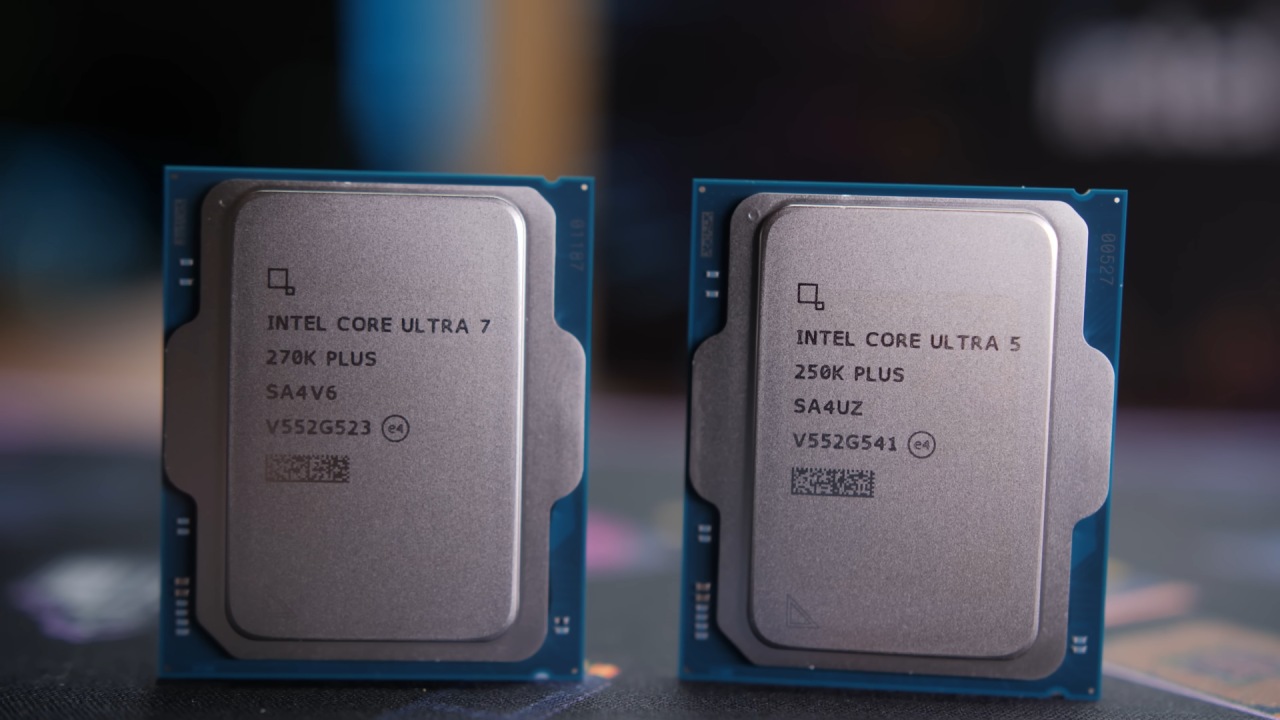
AI Slop Breaks out
We are not sure that anyone has really comprehended the extent of AI slop. We have all experienced the poor-quality AI-generated videos taking up space on the internet, and you have probably also seen AI posing as actual people to generate engagement. It is rampant, yet the scenario has been particularly evident at Microsoft.
This is due to one mere reason. One person made a list of all Copilot-related products and tools that Microsoft has launched since the AI adoption boom. Based on that number, approximately 80 various tools and products are being sold under the Copilot name. By that time, it begins to sound like a literal description to refer to the company as Microsoft.
Now, it appears that Microsoft has begun to react. Some of these AI features are being scaled back, and further changes may occur. For example, in both Snipping Tool and Notepad, a Copilot icon has been added in recent versions. But things are a bit different with Notepad. Instead of deleting AI, they rebranded Copilot as Writing Tools.
The Snipping tool also seems to have been entirely AI-free. Yet, in general, it is evident that Microsoft is continuing to force AI into areas where it may not be needed. This change, however, is an indicator of something. Microsoft invested heavily in advertising Copilot, to the point of branding PCs with it, as if it were part and parcel. Backing that up implies that it was not branding, but the functionality itself that did not live up to expectations.
As we know, this might mark the dawn of the demise of AI slop.
Intel's Next-Gen Desktop CPUs are Under Pressure
Meanwhile, a thing has emerged that has put next-gen Intel desktop CPUs in a challenging position. Recent leaks, such as a roadmap, provide detailed specifications and suggest AMD could have a significant advantage.
We should examine what is known before coming to a conclusion. The next-gen Intel desktop is segmented into five dies. Single-die configurations in 8cores, 16cores, and 28cores are available, and two dual-die configurations are available with 28cores and 52cores.
Each of these designs supports up to 2 Thunderbolt 5 ports, 24 PCIe 5.0 lanes, dual-channel DDR memory, and an NPU6. The core counts range from 6 to 52, with the most expensive models having a TDP of 175W.
The higher-end chips are where it becomes more complicated. The 28-core variant will likely have the Core Ultra 9 branding, with the overall lineup yet to be named. It has been reported that these chips can serve as successors to Intel's older HEDT line, just as Core X.
The most remarkable thing is that the 52-core chip is not being marketed as a typical consumer desktop replacement. Instead, it is being handled more as an HEDT product, i.e., it is expected to compete with workstation-level CPUs rather than mainstream desktop CPUs.
The Next Generation at AMD
On the face of it, the fact that AMD is restricted from competing with a 28-core Intel chip may not be quite favorable. Nevertheless, the information changes the equation. These extra Intel cores are mostly low-power cores, with AMD likely to introduce up to 8 more full Zen6 cores in its next-gen Ryzen.
On top of core counts, AMD will also be able to provide better IPC, work on a more advanced node, and achieve higher clock speeds. In the case of Intel's next-gen desktop lines, the next generation starts to look uncompetitive when we consider the entire package.
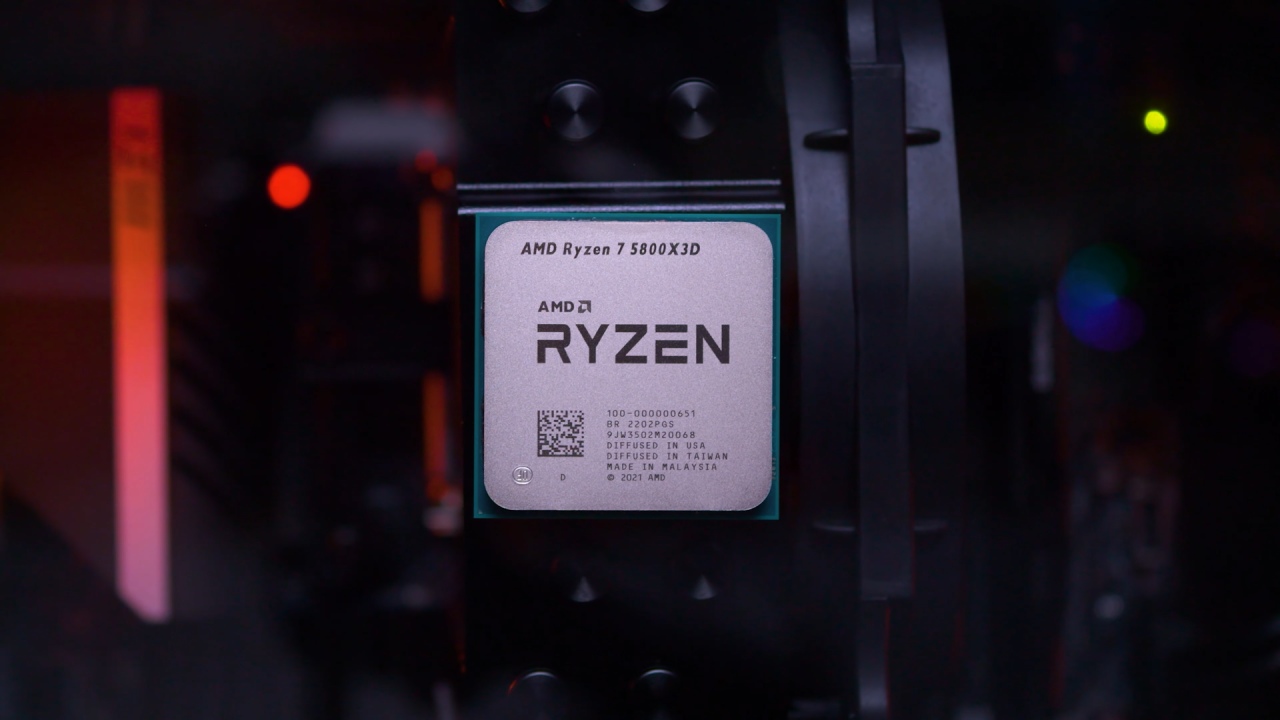
Pricing may affect results. Intel can win back some ground if it lowers the prices of its more expensive models. But there is yet another problem with the placement of these chips. The HEDT users generally anticipate functionality such as more PCIe lanes or quad-channel memory. The capabilities of the AMD Threadripper platform are possible because it is built on a different platform, and Intel's approach does not seem to provide such assistance.
That puts Intel in a tight spot. The chips might not deliver everything HEDT users need, and they might not compete well with AMD in the mainstream desktop market.
Final Thoughts
The next-gen processors Intel will release will deliver some IPC gains, boosting performance. But when AMD stays near current prices and delivers improvements in cores, clocks, and efficiency, the upcoming generation may be a big challenge for Intel.
Also, check our other hardware articles:
- AMD Ryzen 9 9950X3D Review: Setting The Standard For 2025 Gaming CPU
- Amazon Luna 2025 Review: Is Prime Gaming's Cloud Service Your Go-To For Casual Fun?
- AMD RX 9070 XT Review: AMD's RDNA 4 Champion for 1440p Gaming
- GeForce Now Ultimate: Ditching Your Gaming PC For Cloud RTX 4080 Power?
- NVIDIA GeForce RTX 5080 Review (2025): Still A 4K Gaming Powerhouse?
- Intel Core Ultra 9 285K Review And Performance Breakdown (2025)
- AMD Ryzen 7 9800X3D Review: 3D V-Cache Goes God Mode with Stunning Gaming Performance
- Intel Core Ultra 9 285K vs AMD Ryzen 7 9800X3D: In-Depth Gaming Performance and Benchmark Comparison
- NVIDIA GeForce RTX 5080 Super Performance In Cyberpunk 2077: Path Tracing & DLSS 4.0 Tested
- AMD Radeon RX 9070 XT In Cyberpunk 2077: Ray Tracing & FSR 4.0 Tested
- Intel Arc B580 Review: The $250 GPU Revolutionizing 1440p Gaming
- Intel Arc B570 Vs. B580: Value, Specs, And Real-World Gaming Performance
- RTX 5090 Laptop Vs. M4 Max MacBook Pro: Ultimate Raw Performance Vs. Battery Endurance
- Intel Arc b580 Vs. RTX 4060: Game Performance And Value Analysis
- RTX5090 Hell Is Us Demo 4K Ultra Benchmark: DLSS Vs. Native Performance Guide
- NVIDIA RTX 5070 Review: Mid-Range Muscle or Marketing Hype?
- Nintendo Switch 2 Review: Handheld Performance, Features & Value Breakdown
- RTX 5070 Ti Review: Performance, Thermals & Power Efficiency Tested
- Samsung Odyssey OLED G81SF Review 2025: Ultimate 32-Inch QD-OLED Gaming Monitor
- AMD RX 9070 Performance Review: Thermals, Clocks, and Real-World FPS
- AMD Ryzen 5 7600 Review: Best Budget Gaming CPU of 2025?
- AMD Radeon RX 7800 XT Review: RDNA 3 Power For Midrange Gaming
- Asus ROG RTX 5090 Astral OC Vs. Founders Edition: The 4K Gaming Benchmark
Editor, NoobFeed
Gaming Hardware Updates
No Data.