
Liquid Metal Pre-Applied GPUs: Are They Worth the Premium?
Explore the pros and cons of pre-applied liquid metal GPUs — performance gains, risks, warranty coverage, and whether the premium price is worth it.
Hardware by Masaru Hoshino on Aug 16, 2025
Liquid metal has long been the secret weapon of overclockers and PC enthusiasts looking to squeeze every last drop of performance from their hardware. Known for its exceptional thermal conductivity, it often outperforms traditional thermal pastes by a wide margin. But until recently, applying liquid metal was a niche, DIY procedure — risky, warranty-voiding, and best left to the brave.
Now, some GPU manufacturers are shipping graphics cards with liquid metal pre-applied from the factory. On paper, it’s the best of both worlds: elite thermal performance without the hassle or danger of applying it yourself. But is it really worth paying extra for, or are we just adding another potential point of failure to an already expensive piece of hardware?
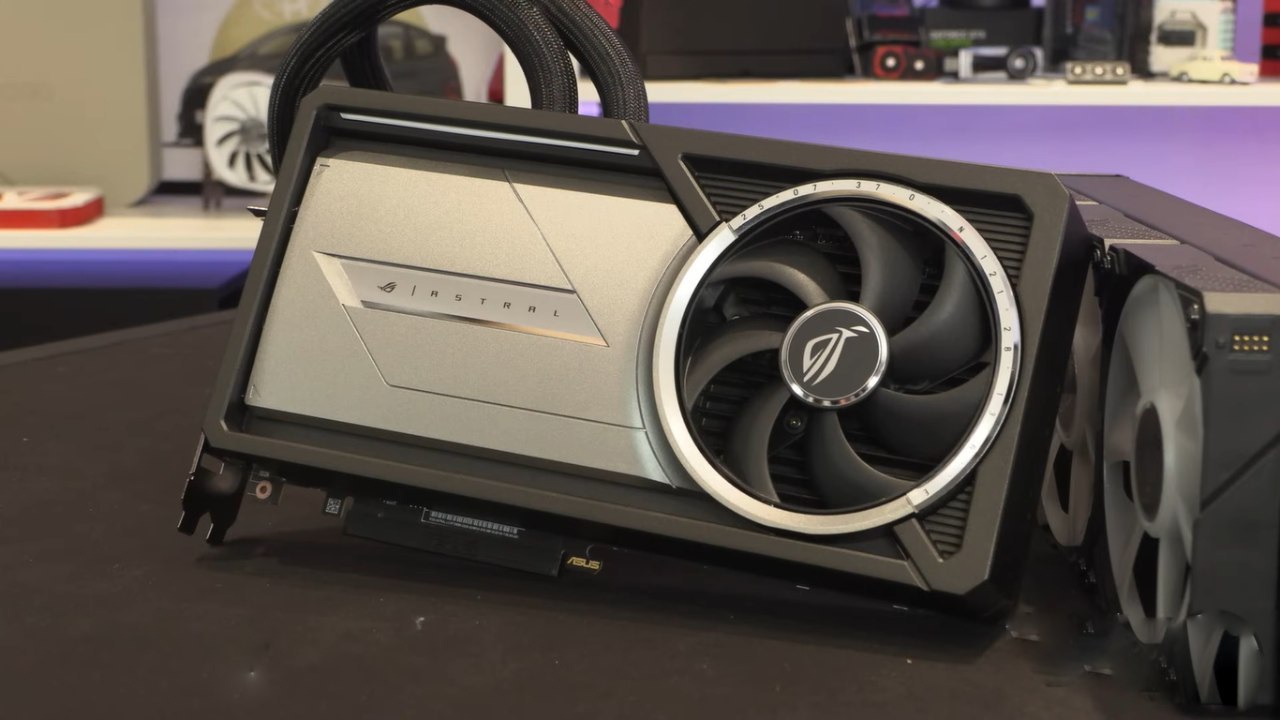
Why Liquid Metal is Special
Liquid metal's ultra-high thermal conductivity, which is often around 73 W/mK as opposed to ordinary thermal paste's 5–10 W/mK, is its main selling feature. Lower operating temperatures, quieter fan curves, and possibly faster sustained boost clocks are the results of this improved heat transfer from the GPU die to the cooler.
In gaming workloads, this can mean 5–10°C lower temperatures compared to even premium pastes, which translates to less thermal throttling and improved performance consistency. Over long gaming sessions or GPU-intensive rendering tasks, that can make a noticeable difference.
The Risks of Liquid Metal
The flip side? Liquid metal is conductive and highly reactive. Spilled or misapplied liquid metal can short out components, corrode aluminum surfaces, or slowly migrate over time if the application isn’t perfectly sealed.
Manufacturers pre-applying liquid metal must use special barriers, coatings, and application techniques to ensure long-term stability. Even so, the risk — while small — isn’t zero. And for GPUs, which are often positioned vertically in modern cases, gravity could, in theory, accelerate migration if the seal fails.
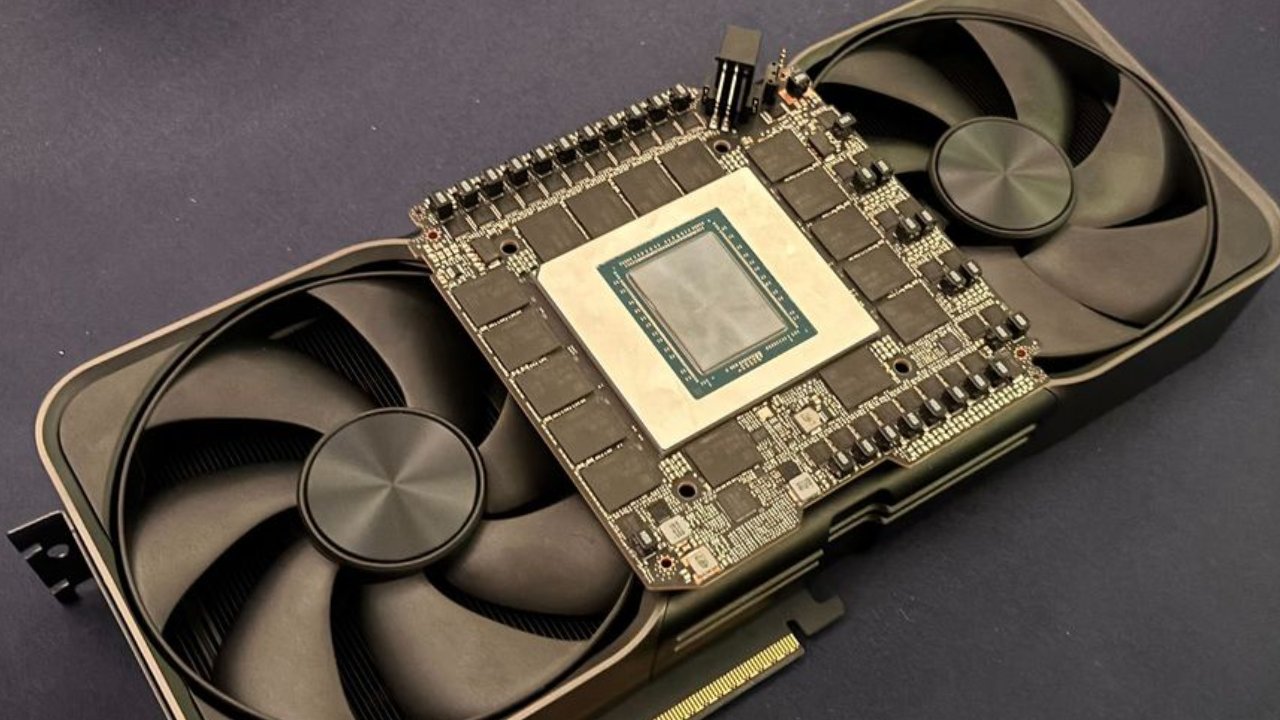
The Warranty and Maintenance Factor
One of the biggest historical drawbacks of DIY liquid metal application was the instant voiding of your warranty. Factory-applied liquid metal changes that equation. The manufacturer assumes responsibility for correct application, so if a failure occurs, you’re covered — at least in theory.
However, there’s still a question mark over long-term performance. Liquid metal can dry out, oxidize, or form micro-cracks over years of thermal cycling. While CPUs often survive fine for years, GPUs with heavy, fluctuating workloads may see faster degradation — something we won’t fully know until these cards age in the wild.
Who Actually Benefits the Most?
For competitive gamers, streamers, and creators who push their GPUs to the limit daily, a pre-applied liquid metal GPU can be a worthy investment. It offers slightly higher clocks, cooler temps, and less fan noise right out of the box — no modding required.
But if you mostly game at 1440p or lower, don’t run your GPU at 99% load for hours, and aren’t chasing every possible frame, the benefit may be marginal. You might never see the extra value you paid for, especially when compared to simply buying a better cooling model or undervolting your GPU.
The Price Premium Problem
Pre-applied liquid metal GPUs often come with a $50–$150 price bump over their standard paste equivalents. While that’s not outrageous in the high-end GPU market, it does raise the question: would you rather have a slightly cooler card, or would you rather put that money toward a higher-tier GPU altogether?
Final Thoughts
Liquid metal pre-applied GPUs are an exciting innovation that bridge the gap between enthusiast modding and mainstream reliability. For the right buyer — someone who values top-tier cooling, runs demanding workloads, and appreciates the “install and forget” convenience — the premium may be worth it.
For everyone else, the gains, while real, are not revolutionary. A well-built GPU with a quality heatsink and traditional thermal paste can still perform within a few degrees of a liquid metal counterpart, all without the potential long-term risks.
Pre-applied liquid metal is a luxury feature, not a necessity — and like all luxuries, it’s only worth it if you can fully enjoy what it offers.
Check Our Other NVIDIA Articles:
- GeForce RTX 5090 Unleashed: Is NVIDIA's New Flagship the Ultimate 4K Gaming GPU?
- NVIDIA GeForce RTX 5080 Review (2025): Still A 4K Gaming Powerhouse?
- RTX 5090 Performance Testing In GTA 5 – 1080p, 1440p, and 4K Max Settings Benchmark
- RTX 5090 Laptop Vs. M4 Max MacBook Pro: Ultimate Raw Performance Vs. Battery Endurance
- NVIDIA RTX 5070 Review: Mid-Range Muscle or Marketing Hype?
- RTX 5070 Ti Review: Performance, Thermals & Power Efficiency Tested
- Asus ROG RTX 5090 Astral OC Vs. Founders Edition: The 4K Gaming Benchmark
- ASUS ROG Astral RTX 5090 OC Edition Review: 32GB GDDR7 & 4K Gaming Benchmark
- ASUS GeForce RTX 5090 LC Liquid Cooled GPU Review: Unmatched Silence & Speed
- MSI GeForce RTX 5090 32GB SUPRIM SOC Review: Power Efficiency, Cooling, and Gaming Performance
- INNO3D RTX 5060 Ti 16 GB X2 Review: Gaming Benchmarks, Temps, and Power Efficiency
- HP Omen 45L Review: RTX 5090 Performance, Thermals, and Value Analysis
- ASUS TUF Gaming GeForce RTX 5060 Ti Review: DLSS 4, Power Efficiency, and Gaming
- ASUS Prime RTX 5060 Ti OC 16GB Review: DLSS 4, Ray Tracing, & Thermals Tested
- NVIDIA GeForce RTX 5060 Review: Specs, Gaming, and Cost per Frame
- MSI GeForce RTX 5090 GAMING TRIO OC Review: A Monster Power GPU
Editor, NoobFeed
Gaming Hardware Updates
No Data.