
Memory Prices Stabilize as AI Demand Shifts and Supply Improves
Memory prices begin stabilizing as reduced AI demand and canceled expansion plans ease pressure on global DRAM supply chains.
Hardware by Masaru Hoshino on Apr 01, 2026
Memory makers have been going through a rough patch lately. For months, gamers, tech fans, and anyone else who wanted to acquire a device with memory have had trouble because costs are high and items are hard to find.
There have been some hints of reprieve from time to time, but the market is still under a lot of pressure. The situation has been particularly challenging for the big three memory manufacturers, as well as companies like OpenAI.
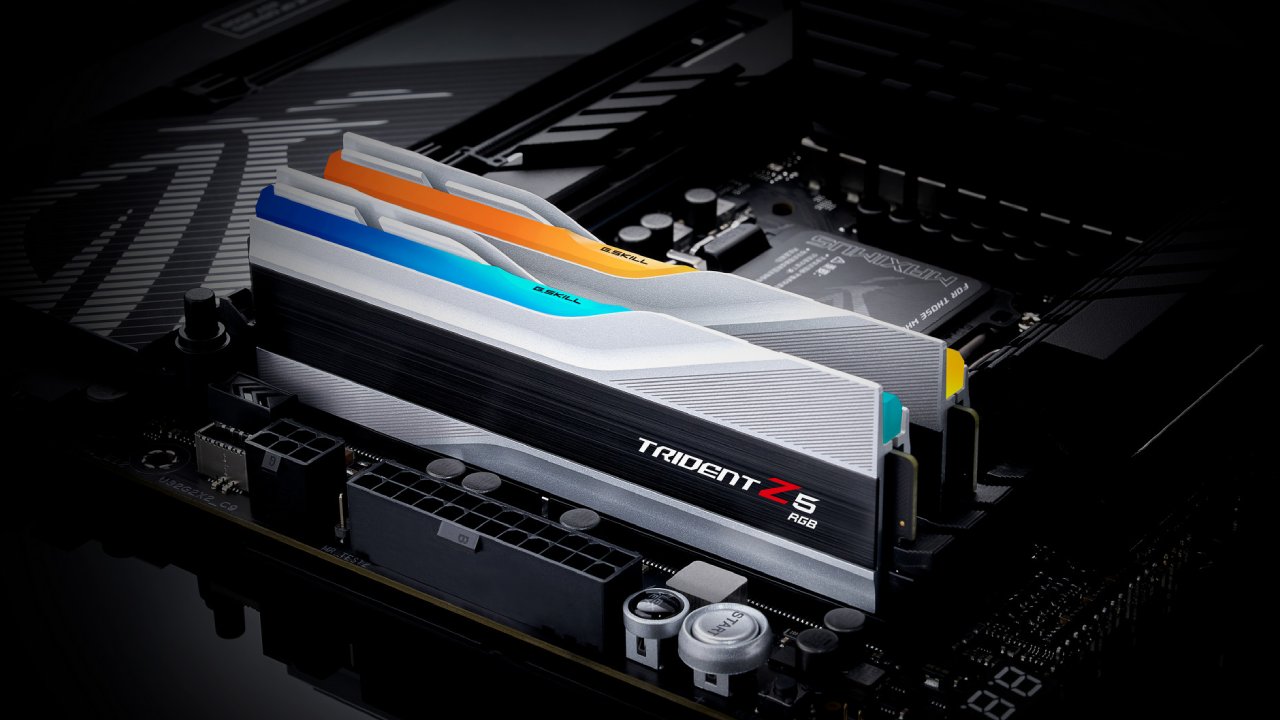
Recent reports revealed that some major orders, including Altman's acquisition of 40% of DRAM wafers, were actually letters of intent with no intention of converting into actual purchases. This had a ripple effect on the market, lowering the stock prices of memory makers and hurting the whole supply chain.
Price Movements and Market Recovery
Even if things are crazy, there are hints that memory costs are starting to level off. For example, the price of a 32GB 6400 DDR5 module in the US market went down from $490 to about $380, which is a loss of about 30%. In the same way, the price of 16GB 5200 DDR5 modules went down from $260 to $220. varied types and sizes of memory have varied effects, but in general, things are getting better over time.
The fluctuations in pricing are mostly due to a mix of things that happen in the industry, such as letters of intent from big corporations, changes in supply and demand, and changes in manufacturing strategy.
Supply Chain Events
According to reports, Sam Altman inked commitments with both Samsung and SK Hynix in October 2025 for 900,000 DRAM wafers per month. This would constitute almost 40% of the world's supply. These letters of intent were not legally enforceable, and neither business knew of the other's arrangement at first. This caused memory prices to go up a lot, which had an effect on the whole market, not just DDR5.
In December 2025, Micron stopped creating the Crucial brand to make better use of memory and make more of it available to the market. This was frustrating for devoted Crucial customers, but in the end, it helped other customers get more of what they needed.
Advances in AI Memory Efficiency
Google recently revealed data showing that AI memory needs were cut by six times without losing any accuracy. This innovation not only lowers memory footprint but also speeds up processing, providing a significant advantage for data centers and AI applications.
Around the same time, OpenAI and Oracle canceled the Stargate expansion, halting a $500B memory allocation plan. Bloomberg attributed this decision partly to OpenAI's inconsistent demand forecasting, which contributed to the stabilization of memory prices.
Price Trends Observed
Recent data from Part Picker illustrates the spike in memory prices starting in October 2025, with extremely steep increases for higher capacity kits. However, prices have begun to level off in the following months. The reduction in speculative purchases and changes in AI memory demands are key factors driving this stabilization.
While memory will not become inexpensive overnight, these shifts indicate a longer-term trend toward more predictable and stable pricing.
Zen 6 and Next-Generation Hardware
Looking at future hardware, early benchmarks of AMD's Zen 6 processors are promising. It is projected that consumer desktop CPUs will have 50% more cores, going from 16 to 24. The clock speed will also go up a little bit, hitting low 6GHz, and the average IPC will go up by about 15%.
These changes will feature better cache performance and more CPU instructions, which will help certain workloads. Single-thread performance is expected to improve moderately, which will also aid gaming performance.
The SP7 platform leaks reveal test boards running up to 192 cores, with final versions anticipated to support 256 cores. Early engineering samples of AMD's EPYC Venice Zen 6 have already delivered performance close to comparable cores from previous Churin-line CPUs, indicating a 70% improvement in performance and efficiency, backed by a 30% increase in overall density.
Zen 6's memory support is predicted to achieve speeds of 8000MTS, which will work well with greater core counts and make memory-heavy apps run even better.
Final Thoughts
The memory market has been unstable lately because of supply issues, speculative orders, and strong demand from AI applications. But recent cancellations of massive memory expansions and advancements in AI memory efficiency imply that prices are starting to level off. This could mean that gamers and tech lovers can buy hardware more easily and that it will be easier to find over time.
Zen 6 and next-generation CPUs promise big performance gains and better efficiency on the hardware side. This makes the future of PCs and AI-ready systems quite interesting. There are still problems to solve, but the patterns point to a cautiously optimistic future for the memory and computing hardware businesses.
Also, check our other hardware articles:
- AMD Ryzen 9 9950X3D Review: Setting The Standard For 2025 Gaming CPU
- Amazon Luna 2025 Review: Is Prime Gaming's Cloud Service Your Go-To For Casual Fun?
- AMD RX 9070 XT Review: AMD's RDNA 4 Champion for 1440p Gaming
- GeForce Now Ultimate: Ditching Your Gaming PC For Cloud RTX 4080 Power?
- NVIDIA GeForce RTX 5080 Review (2025): Still A 4K Gaming Powerhouse?
- Intel Core Ultra 9 285K Review And Performance Breakdown (2025)
- AMD Ryzen 7 9800X3D Review: 3D V-Cache Goes God Mode with Stunning Gaming Performance
- Intel Core Ultra 9 285K vs AMD Ryzen 7 9800X3D: In-Depth Gaming Performance and Benchmark Comparison
- NVIDIA GeForce RTX 5080 Super Performance In Cyberpunk 2077: Path Tracing & DLSS 4.0 Tested
- AMD Radeon RX 9070 XT In Cyberpunk 2077: Ray Tracing & FSR 4.0 Tested
- Intel Arc B580 Review: The $250 GPU Revolutionizing 1440p Gaming
- Intel Arc B570 Vs. B580: Value, Specs, And Real-World Gaming Performance
- RTX 5090 Laptop Vs. M4 Max MacBook Pro: Ultimate Raw Performance Vs. Battery Endurance
- Intel Arc b580 Vs. RTX 4060: Game Performance And Value Analysis
- RTX5090 Hell Is Us Demo 4K Ultra Benchmark: DLSS Vs. Native Performance Guide
- NVIDIA RTX 5070 Review: Mid-Range Muscle or Marketing Hype?
- Nintendo Switch 2 Review: Handheld Performance, Features & Value Breakdown
- RTX 5070 Ti Review: Performance, Thermals & Power Efficiency Tested
- Samsung Odyssey OLED G81SF Review 2025: Ultimate 32-Inch QD-OLED Gaming Monitor
- AMD RX 9070 Performance Review: Thermals, Clocks, and Real-World FPS
- AMD Ryzen 5 7600 Review: Best Budget Gaming CPU of 2025?
- AMD Radeon RX 7800 XT Review: RDNA 3 Power For Midrange Gaming
- Asus ROG RTX 5090 Astral OC Vs. Founders Edition: The 4K Gaming Benchmark
Editor, NoobFeed
Gaming Hardware Updates
No Data.