
Next Gen Console Battle PS6 and Project Helix Detailed Specs
Rumored PlayStation 6 and Project Helix specifications reveal differences in CPU, GPU, memory, and system design approaches.
Hardware by Nahe Yan on Mar 18, 2026
The talk is on the rumored specs and release dates for the next generation of consoles, with a focus on the PlayStation 6 and Xbox Project Helix. These requirements may vary; be careful when using them, as final hardware decisions may differ.
We are comparing based on speculated specs, and things can change. Even if these are goals set by manufacturers, the clock speeds of the CPU, RAM, or GPU computing units may change. You shouldn't believe everything you read.
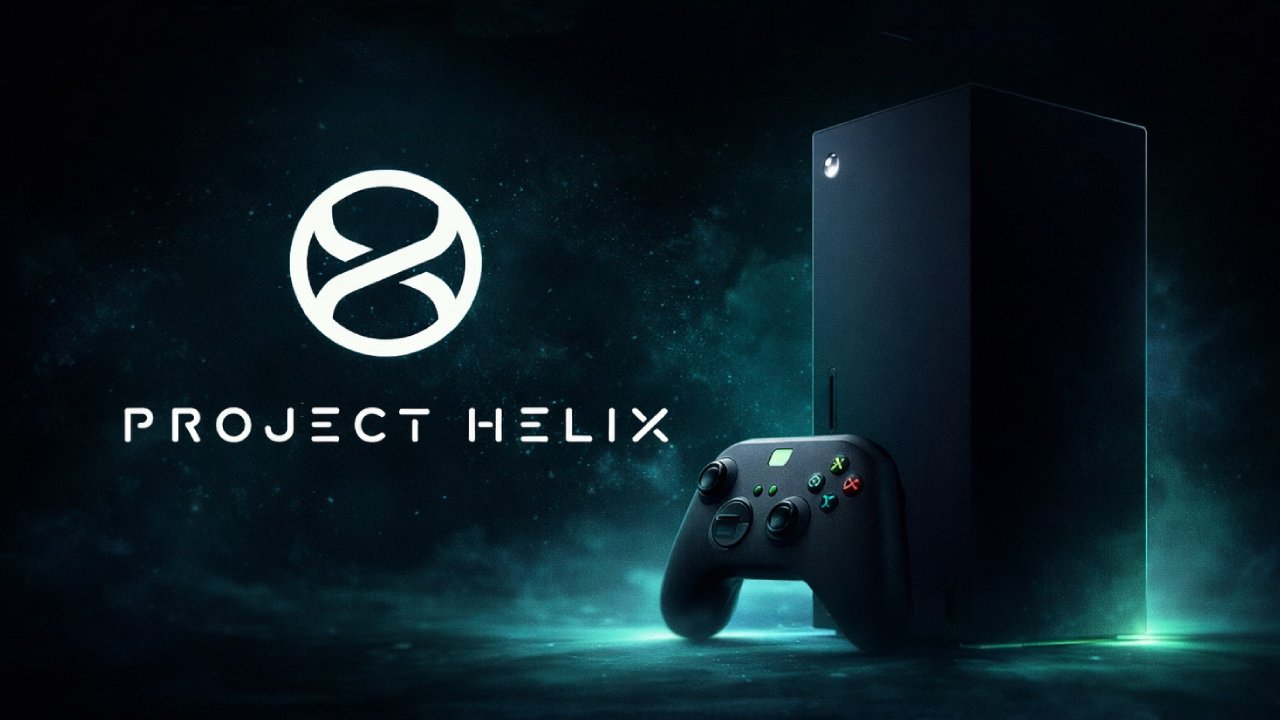
Beginning and Background
On paper, Project Helix looks strong, but we're not sure what Sony's plans are for PlayStation 6. Even if the specs show a discrepancy, real-world performance and optimization could narrow that gap. We should also keep in mind that these are still only rumors.
Expectations for the Release Timeline
There are rumors that the PlayStation 6 might launch before 2028 or 2029 due to contracts and production commitments already in place. But factors like RAM prices could affect the timeline.
Some rumors say that dev kits for Project Helix will be available in early 2027, with a likely release date in the holiday season of 2027. That timescale makes me wonder if the game is ready; thus, 2028 seems more likely. But it might work like a gaming PC, so it could come out sooner without a full list of specialized games.
Outlook for Prices
People expect prices to be high. The price of PlayStation 6 might be between $700 and $900. The cost of Project Helix might be between $1,000 and $1,200. These systems aren't likely to be inexpensive, especially given rising memory prices.
Making and Designing
Both systems are likely to use TSMC to make them. PlayStation 6 might use 2nm technology, whereas the Project Helix might use 3nm technology. The die sizes are very different: PlayStation 6 is 280 mm², while Project Helix is 408 mm².
We can see that Project Helix has a bigger die because it is also meant to be a gaming PC. It needs to handle a wider range of tasks, unlike the PlayStation 6, which is focused solely on optimizing console performance.
Setting up the CPU
It is believed that the PlayStation 6 will have 8 Zen 6 efficiency cores. There may be 3 complete Zen6 cores and 8 efficiency cores in Project Helix.
There are also differences in clock speeds. PlayStation 6 might run at speeds between 4GHz and 5GHz, while Project Helix could reach 5GHz to 6GHz. That might give Microsoft an edge in CPU speed, especially with the extra complete cores.
GPU and Compute Units
There is a big difference in the GPU. There may be 54 RDNA5 compute units in PlayStation 6 and 68 RDNA5 compute units in Project Helix.
When we look at simpler systems, we can better grasp this divide. Even outdated RDNA 3 hardware with only 12 compute units can run recent games at 1080p or higher. At this level, a difference of 14 compute units could significantly affect performance.
Project Helix has to deal with PC games that aren't optimized, whereas PlayStation 6 works better with hardware-specific optimization.
Memory and Bandwidth
It is predicted that both systems would use GDDR7 memory. There may be 30-40GB on PlayStation 6 and 36-48GB on Project Helix.
Because Project Helix is like a PC, we should think about how it needs more memory. Thanks to optimization, PlayStation 6 can do the same things with less memory.
PlayStation 6 will likely feature a 160-bit bus and 640 GB/s of bandwidth. People say Project Helix will use a 192-bit bus, though we don't yet know all the details about the bandwidth.
Rasterization Speed
There is a clear difference in how well rasterization works. PlayStation 6 might be three times faster than PS5, while Project Helix might be five to six times faster than Xbox Series X.
Even with this edge, optimization is quite important. A system that is less powerful but well-optimized can nonetheless compete.
Ray Tracing Features
Both systems should improve their ray tracing. PlayStation 6 could be 6 to 12 times better than the PS5, and the Project Helix could be 20 times better than the Xbox Series X.
We know that ray tracing has put significant strain on hardware. Still, the next generation of systems will aim to make things more efficient and improve graphics quality.
Goals for Performance
Both systems are meant for playing games at 4K 120fps. It's unclear if this will become the norm for all titles.
.jpg)
Differences in Platform Strategy
Project Helix should work as a gaming PC, letting you install platforms like Steam and other launchers. PlayStation 6 will still be a regular console, but the software will be better.
We can see that Microsoft is moving away from a strategy focused solely on consoles, while Sony is sticking with a dedicated console environment. This makes it harder to compare directly than it was in the past.
Final Thoughts
Based on these purported specs, Project Helix is stronger. But hardware alone doesn't decide how well something works. The ultimate experience is affected by optimization, platform design, and software support.
We also know that the most powerful system doesn't always sell the best. It will rely on how these systems are built, maintained, and used in real life.
Also, check our other hardware articles:
- AMD Ryzen 9 9950X3D Review: Setting The Standard For 2025 Gaming CPU
- Amazon Luna 2025 Review: Is Prime Gaming's Cloud Service Your Go-To For Casual Fun?
- AMD RX 9070 XT Review: AMD's RDNA 4 Champion for 1440p Gaming
- GeForce Now Ultimate: Ditching Your Gaming PC For Cloud RTX 4080 Power?
- NVIDIA GeForce RTX 5080 Review (2025): Still A 4K Gaming Powerhouse?
- Intel Core Ultra 9 285K Review And Performance Breakdown (2025)
- AMD Ryzen 7 9800X3D Review: 3D V-Cache Goes God Mode with Stunning Gaming Performance
- Intel Core Ultra 9 285K vs AMD Ryzen 7 9800X3D: In-Depth Gaming Performance and Benchmark Comparison
- NVIDIA GeForce RTX 5080 Super Performance In Cyberpunk 2077: Path Tracing & DLSS 4.0 Tested
- AMD Radeon RX 9070 XT In Cyberpunk 2077: Ray Tracing & FSR 4.0 Tested
- Intel Arc B580 Review: The $250 GPU Revolutionizing 1440p Gaming
- Intel Arc B570 Vs. B580: Value, Specs, And Real-World Gaming Performance
- RTX 5090 Laptop Vs. M4 Max MacBook Pro: Ultimate Raw Performance Vs. Battery Endurance
- Intel Arc b580 Vs. RTX 4060: Game Performance And Value Analysis
- RTX5090 Hell Is Us Demo 4K Ultra Benchmark: DLSS Vs. Native Performance Guide
- NVIDIA RTX 5070 Review: Mid-Range Muscle or Marketing Hype?
- Nintendo Switch 2 Review: Handheld Performance, Features & Value Breakdown
- RTX 5070 Ti Review: Performance, Thermals & Power Efficiency Tested
- Samsung Odyssey OLED G81SF Review 2025: Ultimate 32-Inch QD-OLED Gaming Monitor
- AMD RX 9070 Performance Review: Thermals, Clocks, and Real-World FPS
- AMD Ryzen 5 7600 Review: Best Budget Gaming CPU of 2025?
- AMD Radeon RX 7800 XT Review: RDNA 3 Power For Midrange Gaming
- Asus ROG RTX 5090 Astral OC Vs. Founders Edition: The 4K Gaming Benchmark
Editor, NoobFeed
Gaming Hardware Updates
No Data.