
Nvidia Consumer GPU Strategy Reveals Limited High-End Availability in 2026
Nvidia’s consumer graphics strategy increasingly prioritizes lower-VRAM models amid supply constraints, rising prices, and reduced high-end availability.
Hardware by Masaru Hoshino on Feb 05, 2026
The technology industry continues to navigate a turbulent phase, with hardware availability, pricing, and long-term priorities increasingly shaped by forces beyond traditional consumer demand.
Recent developments surrounding graphics cards highlight how difficult it has become to frame progress as anything other than damage control, as manufacturers shift focus and users are left navigating shrinking choices.
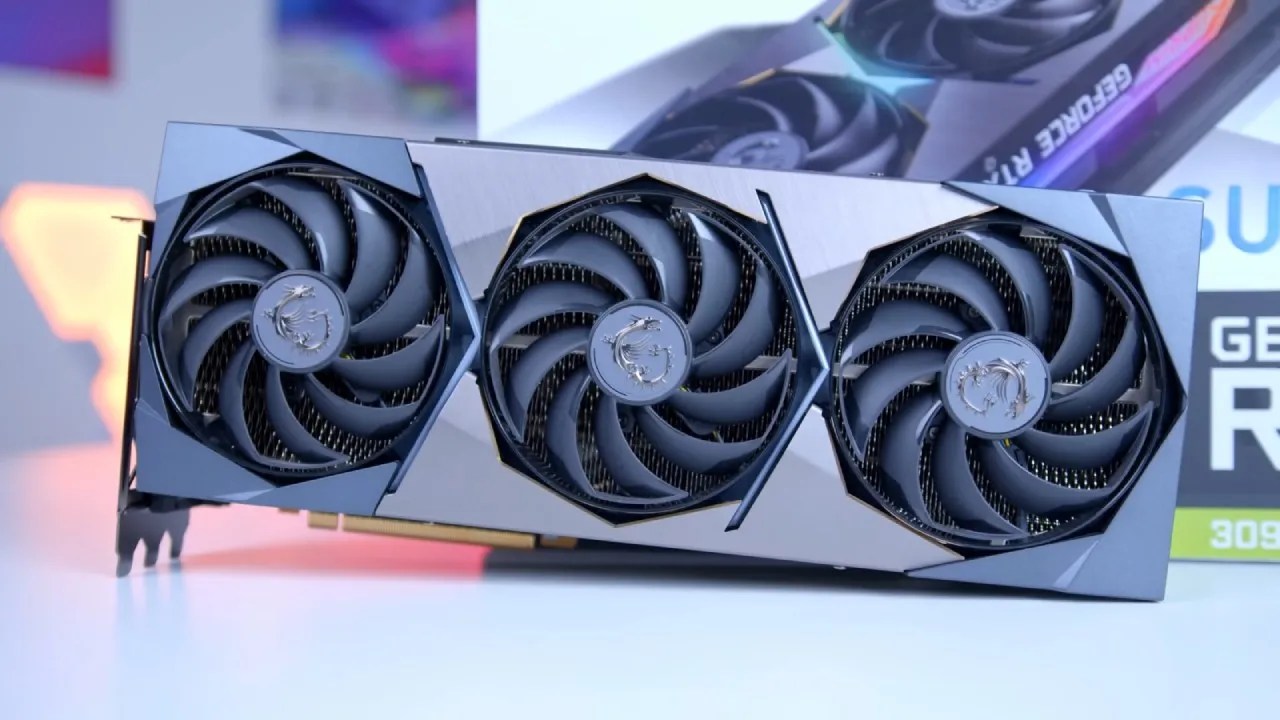
NVIDIA's Shift Toward Lower-VRAM Models
Choosing a video card may soon become much simpler, though not for positive reasons. NVIDIA is rumored to be allocating the majority of its consumer GPU output toward 8GB and 12GB models. This approach effectively removes the dilemma of whether spending thousands on higher VRAM options is worth it, because those options may no longer be realistically available.
The PC gaming industry is still worried that Nvidia would rather stop making consumer products altogether and instead focus on making AI data center chips, which are much more profitable. The memory shortage has made things worse by making it harder to get VRAM, which is a key part of modern GPUs, as well as silicon.
Earlier supply chain rumors suggested a 20% reduction in consumer GPU output alongside the discontinuation of higher-VRAM, lower-priced models, such as 16GB variants of mid-tier cards.
Although Nvidia issued a brief statement claiming continued shipments of all GeForce SKUs, reports from board channel forums indicate that roughly three-quarters of Q1 GPU supply will consist of models that require minimal VRAM. These include 8GB and 12GB cards built on the smallest Blackwell dies, configurations that are also cheaper and easier to produce.
What remains unclear is how much this represents a real change. NVIDIA does not disclose production breakdowns, and vague public statements leave plenty of room for interpretation. What is clear is that pricing reflects constrained availability. GPUs with questionable supply are seeing substantial price inflation, reinforcing concerns that higher-end consumer graphics cards are becoming a luxury item rather than a mainstream option.
Power Connector Failures and Public Awareness
One unintended benefit of fewer high-end cards in circulation could be a reduction in reports of melted 12VHPWR connectors. A recent event in which smoke and bubbles were seen coming from a power extension line brought up similar problems again.
Some people didn't like the decision to document the event rather than shutting down the system right away. However, it's still important for the public to know about it.
These events typically don't get much attention or start meaningful conversations without good visual evidence. That said, when hardware safety is the priority, powering down immediately remains the safest response.
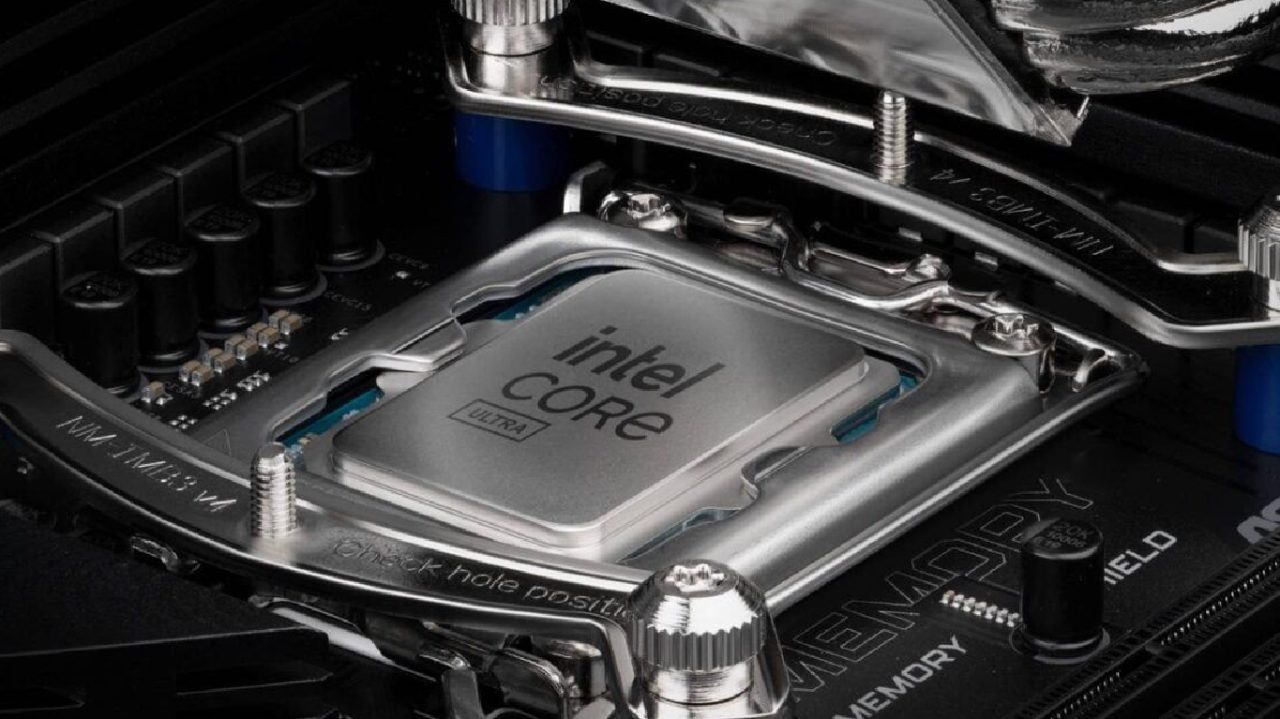
Intel and Nvidia's Expanding Relationship
NVIDIA's evolving priorities are also reflected in its manufacturing partnerships. Intel Foundry is reportedly set to produce non-core components for Nvidia, potentially including IO dies for a future architecture expected later in the decade. Intel's advanced packaging technologies may also play a role.
The definition of "non-core" products has shifted, and gaming GPUs increasingly fall into that category. Because of this, it's no longer crazy to think that Intel could make Nvidia gaming parts. This change shows how consumer graphics hardware is becoming less and less important in the larger semiconductor market.
Also, check our other articles below:
- AMD Ryzen 9 9950X3D Review: Setting The Standard For 2025 Gaming CPU
- AMD Ryzen 7 9800X3D Review: 3D V-Cache Goes God Mode with Stunning Gaming Performance
- AMD RX 9070 Performance Review: Thermals, Clocks, and Real-World FPS
- AMD Ryzen 5 7600 Review: Best Budget Gaming CPU of 2025?
- AMD Radeon RX 7800 XT Review: RDNA 3 Power For Midrange Gaming
- Sapphire NITRO+ AMD Radeon RX 9070 XT Review: The Ultimate 4K Gaming GPU
- AMD Ryzen 7 7800X3D: Delivers Gaming Performance Far Beyond Expectations
- AMD Ryzen 9 7900X Review: Powering the AM5 Era with DDR5 & PCIe 5.0
- Intel Core i9‑14900K vs. AMD Ryzen 7 7800X3D: Power Profiles & Gaming Benchmarks
- NVIDIA GeForce RTX 5080 Review (2025): Still A 4K Gaming Powerhouse?
- NVIDIA RTX 5070 Review: Mid-Range Muscle or Marketing Hype?
- RTX 5070 Ti Review: Performance, Thermals & Power Efficiency Tested
- ASUS GeForce RTX 5090 LC Liquid Cooled GPU Review: Unmatched Silence & Speed
- MSI GeForce RTX 5090 32GB SUPRIM SOC Review: Power Efficiency, Cooling, and Gaming Performance
- INNO3D RTX 5060 Ti 16 GB X2 Review: Gaming Benchmarks, Temps, and Power Efficiency
- HP Omen 45L Review: RTX 5090 Performance, Thermals, and Value Analysis
- ASUS TUF Gaming GeForce RTX 5060 Ti Review: DLSS 4, Power Efficiency, and Gaming
- ASUS Prime RTX 5060 Ti OC 16GB Review: DLSS 4, Ray Tracing, & Thermals Tested
- NVIDIA GeForce RTX 5060 Review: Specs, Gaming, and Cost per Frame
- MSI GeForce RTX 5090 GAMING TRIO OC Review: A Monster Power GPU
Editor, NoobFeed
Gaming Hardware Updates
No Data.