
NVIDIA’s First Consumer CPU Leaks as Xbox Faces Uncertain Future
Xbox leadership transition intensifies uncertainty around Microsoft’s hardware strategy
Hardware by Tanvir Kabbo on Feb 27, 2026
The gaming and PC hardware landscape may be heading toward a significant shift. NVIDIA is reportedly preparing to release its first consumer PC CPU, while questions swirl around Xbox’s long-term direction. Together, these developments point to an industry in transition.
NVIDIA Enters the Consumer CPU Market
For Nvidia, entering the consumer CPU market marks a major expansion. After its attempted ARM acquisition was blocked, many wondered whether Nvidia would double down on ARM-based designs. Instead, it partnered with Intel to explore x86 solutions and even took a stake in the company. That move created uncertainty about Nvidia’s roadmap.
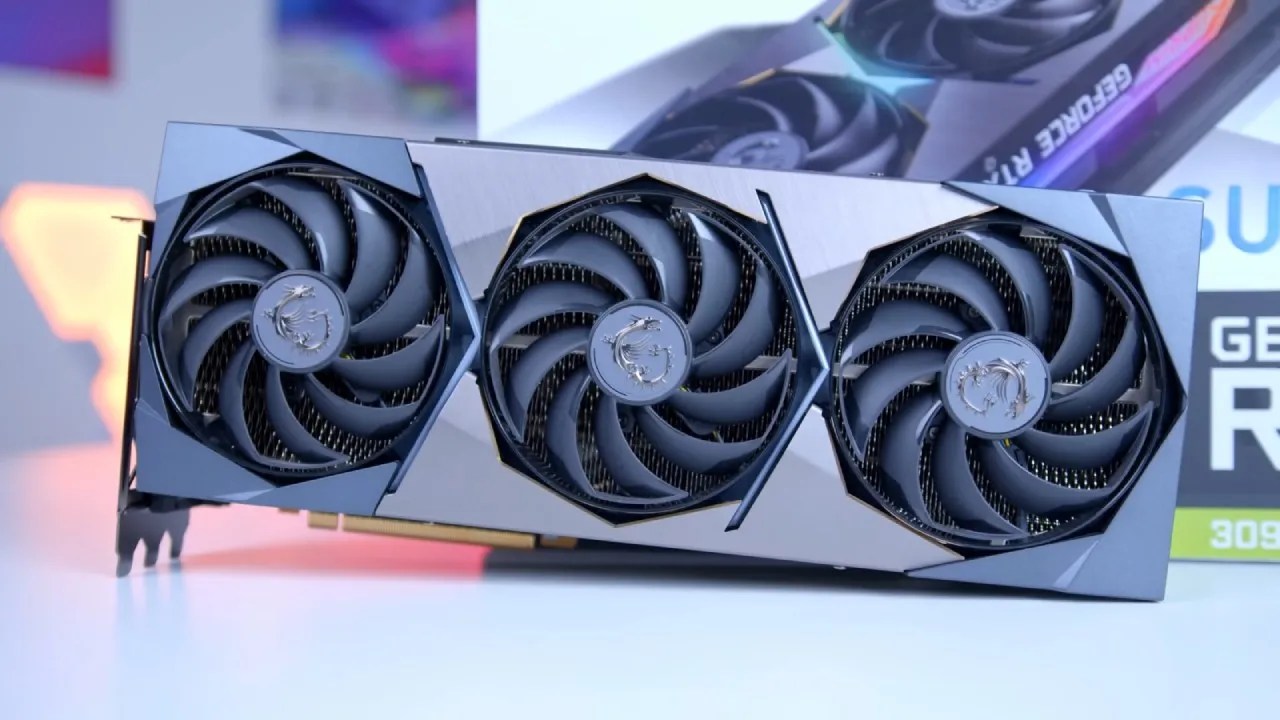
Now, reports indicate Nvidia is moving forward with ARM-based consumer processors in collaboration with MediaTek. PC manufacturers such as Dell Technologies and Lenovo are said to be developing systems built around Nvidia SoCs.
Leaks surrounding the N1 and N1X chips suggest these processors could feature up to 20 ARM cores alongside an integrated GPU with 6,144 CUDA cores, matching the desktop RTX 5070’s core count.
A New Class of Integrated Graphics Power
If accurate, that combination would give Nvidia an unusually powerful integrated graphics solution. By tightly integrating CPU and GPU resources, Nvidia could optimize performance and efficiency in ways traditional PC architectures struggle to match. Early indications suggest the first systems could launch in the first half of the year.
Strengthening Linux Gaming Support
NVIDIA is putting a lot of money into Linux gaming, in addition to CPUs. Job ads show that they are mostly looking for somebody to work on drivers for Linux desktops, servers, and games. The company says that Vulkan and OpenGL support and optimization are available on both x86 and ARM architectures. Extra responsibilities focus on fixing performance problems in Vulkan and Proton games.
This push fits quite well with Valve Corporation's ecosystem. Linux is the operating system that runs the Steam Deck. Valve's Proton compatibility layer lets a lot of Windows games run well on Linux-based devices. Linux is more flexible and has less overhead, which makes it possible to optimize gaming workloads even more.
Xbox’s Strategic Crossroads
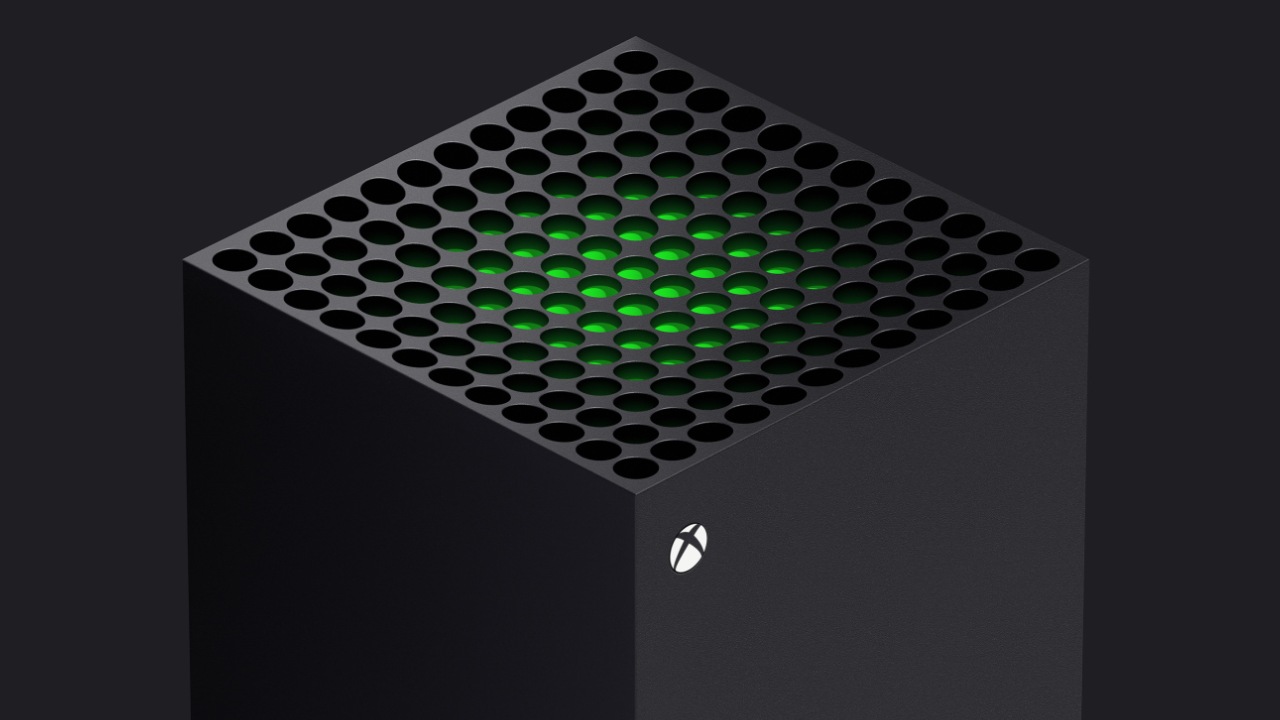
Meanwhile, Xbox faces strategic uncertainty. With leadership changes and an increasing emphasis on AI and services, some observers question whether Xbox hardware will remain central to Microsoft’s gaming vision. Hardware sales have declined as Microsoft promotes Xbox as a platform rather than a box under the television.
At the same time, reports indicate that next-generation Xbox hardware is in development. That makes marketing that focuses on services and continued investment in consoles look different. It's still not obvious what the long-term balance will be between hardware, cloud gaming, and AI-driven features.
A Broader Industry Transformation
NVIDIA's plans for CPUs and Linux, combined with Microsoft's changing Xbox strategy, show that gaming is becoming more competitive and diverse. The dominance of traditional Windows-based PC gaming may face new pressure as ARM processors and Linux optimization improve.
Change is accelerating. CPU, GPU, and operating system boundaries are shifting. Companies that adapt quickly could define the next era of gaming performance and platform design.
Also, check our other hardware articles:
- AMD Ryzen 9 9950X3D Review: Setting The Standard For 2025 Gaming CPU
- Amazon Luna 2025 Review: Is Prime Gaming's Cloud Service Your Go-To For Casual Fun?
- AMD RX 9070 XT Review: AMD's RDNA 4 Champion for 1440p Gaming
- GeForce Now Ultimate: Ditching Your Gaming PC For Cloud RTX 4080 Power?
- NVIDIA GeForce RTX 5080 Review (2025): Still A 4K Gaming Powerhouse?
- Intel Core Ultra 9 285K Review And Performance Breakdown (2025)
- AMD Ryzen 7 9800X3D Review: 3D V-Cache Goes God Mode with Stunning Gaming Performance
- Intel Core Ultra 9 285K vs AMD Ryzen 7 9800X3D: In-Depth Gaming Performance and Benchmark Comparison
- NVIDIA GeForce RTX 5080 Super Performance In Cyberpunk 2077: Path Tracing & DLSS 4.0 Tested
- AMD Radeon RX 9070 XT In Cyberpunk 2077: Ray Tracing & FSR 4.0 Tested
- Intel Arc B580 Review: The $250 GPU Revolutionizing 1440p Gaming
- Intel Arc B570 Vs. B580: Value, Specs, And Real-World Gaming Performance
- RTX 5090 Laptop Vs. M4 Max MacBook Pro: Ultimate Raw Performance Vs. Battery Endurance
- Intel Arc b580 Vs. RTX 4060: Game Performance And Value Analysis
- RTX5090 Hell Is Us Demo 4K Ultra Benchmark: DLSS Vs. Native Performance Guide
- NVIDIA RTX 5070 Review: Mid-Range Muscle or Marketing Hype?
- Nintendo Switch 2 Review: Handheld Performance, Features & Value Breakdown
- RTX 5070 Ti Review: Performance, Thermals & Power Efficiency Tested
- Samsung Odyssey OLED G81SF Review 2025: Ultimate 32-Inch QD-OLED Gaming Monitor
- AMD RX 9070 Performance Review: Thermals, Clocks, and Real-World FPS
- AMD Ryzen 5 7600 Review: Best Budget Gaming CPU of 2025?
- AMD Radeon RX 7800 XT Review: RDNA 3 Power For Midrange Gaming
- Asus ROG RTX 5090 Astral OC Vs. Founders Edition: The 4K Gaming Benchmark
Senior Editor, NoobFeed
Gaming Hardware Updates
No Data.