
Zen6 vs. Nova Lake Performance Breakdown and Latest Leak Analysis
Conflicting reports around IPC, clock speeds, and power draw create uncertainty in next generation CPU competition landscape.
Hardware by Shinji Okazaki on May 05, 2026
Zen 6 and Intel's Nova Lake are two of the next generation of desktop processors. Initial reports, leaks, and informal talk have affected what people think the performance will be like. It's not just about how fast the cores are; changes to the architecture, such as the interconnects, cache design, and memory subsystems, can also affect how well the computer performs in real-world tasks and games.
There is mixed information we have been listening to about Zen6 and Nova Lake. It has previously been argued that Zen6 CPUs would be able to reach higher clock frequencies in a generation, whereas Nova Lake would deliver higher IPC. Some other sources also supported this idea. But, according to more recent reports, that is not the case.
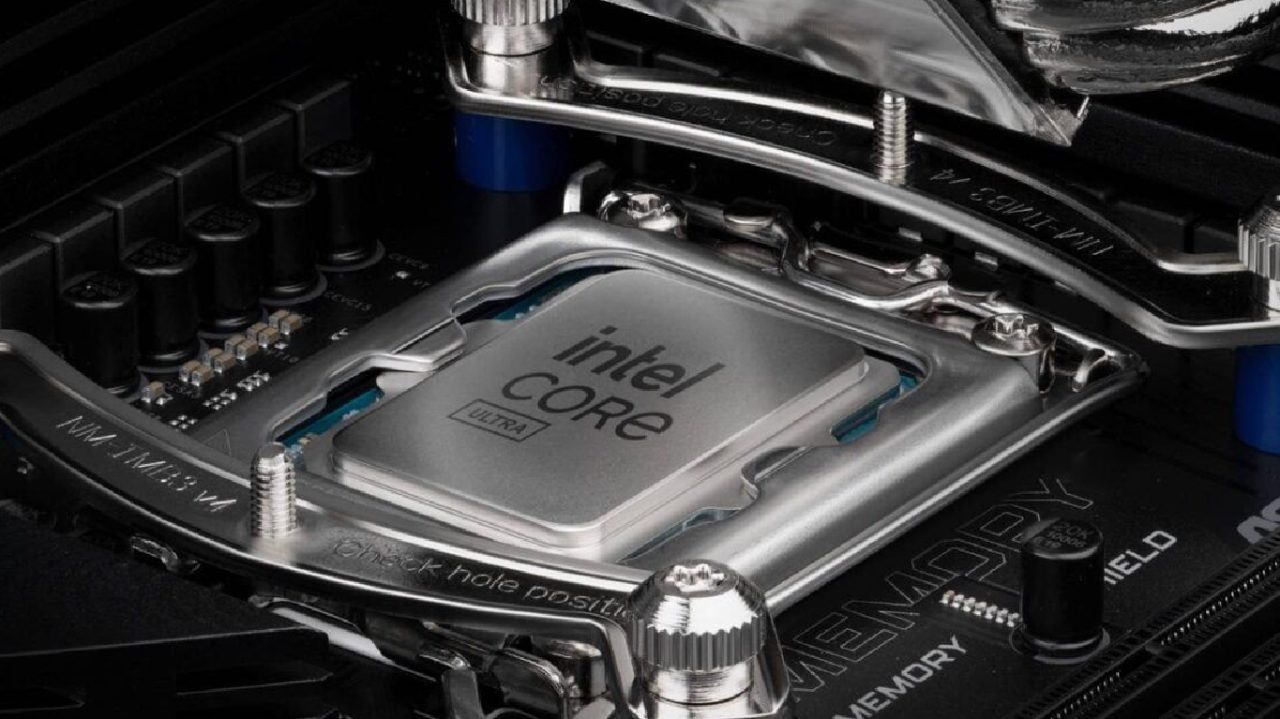
We are now hearing that Nova Lake might be underwhelming, with some sources even suggesting that, until a later generation, such as Titan Lake, Intel may not be competitive. These allegations have not been substantiated, and the situation remains unclear. We would rather give both sides, even when the information is conflicting, rather than force a single point.
Outside IPC: Interconnects and System Design
Consideration of next-generation processors extends beyond IPC improvements. We should consider interconnects, bandwidth, and cache behavior. These factors may substantially affect performance under both gaming and productivity workloads.
A single 12-core CCD design is likely to be presented with Zen6. On our part, the majority of games do not exploit more than 8 cores,8 cores, and even when they scale higher, beyond 12 cores is difficult to come by. This architecture may enhance efficiency in gaming applications without requiring a large number of cores.
Improvements to Cache and Latency
Improvements in caching and latency are also within our sights. The use of dual VCache configurations can be advantageous to particular workloads, but has been limited by the latency between CCDs. Zen6 would introduce a new bridge die to reduce latency between CCDs.
We think that memory controllers and interconnect design could be improved to achieve better performance in applications where latency and bandwidth are important. The current processors, such as 9950X3D, are already displaying the initial signs of how these changes may affect performance.
Zen6 Architecture Direction
As we know, Zen6 addresses the various constraints observed in earlier designs, particularly in latency and bandwidth. Though Zen7 is likely to be a larger redesign, Zen6 nonetheless makes some significant architectural modifications. We also anticipate increased clock frequencies, which may help improve performance, as well as architectural improvements.
Looking at the Intel roadmap, we are now in Arrow Lake, and next we have Nova Lake. Following that, Razer Lake seems to be an incremental step with equivalent core counts, topping out at 52 cores on high-end models, but with a modest IPC improvement.
It is anticipated that Titan Lake will bring a standard core design. As far as we know, it is less of a direct descendant of the current hybrid designs and more of an evolution of the Ecores. This is a more radical architectural change.
IPC Expectations and Source Variations
We have gathered a number of news items on IPC gains. For example, one source said that Nova Lake IPC has a gain of about 9% in SPEC and between 13% and 14% in Geekbench. Still, these numbers can't be easily translated into game performance.
Another source originally noted that Nova Lake would be better than Zen6 in IPC, but later changed its mind and reported otherwise. It is now believed that the significant IPC gains Intel can claim might not arrive until Titan Lake.
We also hear that Ecores might contribute more to the total IPC improvements than Pcores in Nova Lake. But the overall performance will not rely solely on core efficiency.
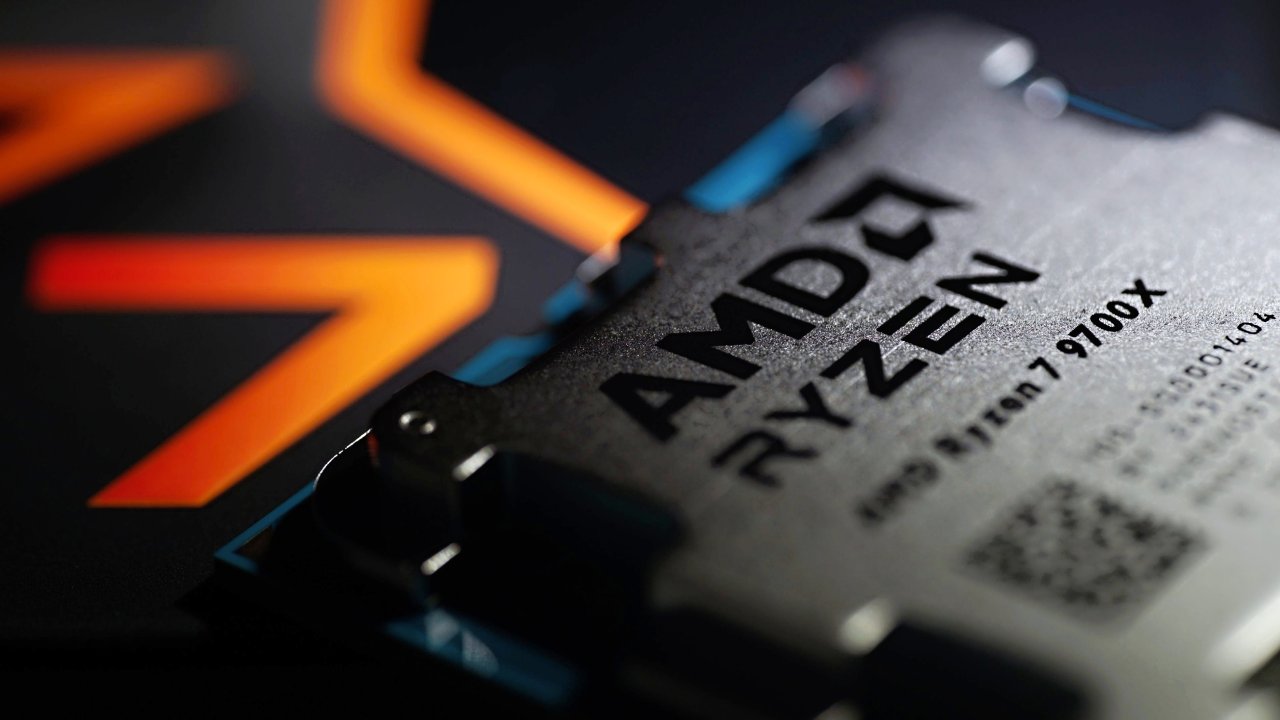
Power and Pricing Issues
Another issue is power consumption, particularly with the high-end 52-core variants. Such models could attract significant power, potentially influencing their positioning. Potential pricing is estimated to fall in the range of $12001500 for these high-core-count models.
This puts them in a bracket near the HEDT systems, which can affect purchasing decisions. We would like to have a healthy competition between AMD and Intel. The control of choice is curtailed when a single company dominates the entire price range.
A balanced market will enable more choices at various budgets. You might remember that competition leads to innovation and price changes. In its absence, system configurations are less flexible and predictable.
Intel GPU Situation
There is also uncertainty surrounding Intel's discrete GPU plans. It is not clear whether future architectures such as Celestial will ever be launched, but previous architectures have been canceled.
Intel itself seems to be considering the profitability of proceeding with mass production of GPUs. Although this is understandable, we would rather see more competition in the GPU market between AMD and NVIDIA. The expectations, leaks, and competing reports of Zen6 and Nova Lake are currently being mixed up.
The way performance will go is unclear, particularly between gaming and applications.
We anticipate architectural enhancements beyond IPC to contribute significantly. You might be interested in seeing how interconnects, cache systems, and memory design are developed, as they may define the next generation more than raw core metrics alone. We are not sure of the final result, and it is only natural that we should consider both possibilities until we obtain more concrete information.
Editor, NoobFeed
Gaming Hardware Updates
No Data.