
Zen6 Architecture Breakdown: Massive Cache Scaling, IPC Improvements, and AM5 Longevity
Zen6 architecture emphasizes cache-heavy designs and efficiency improvements to strengthen AMD’s desktop and gaming leadership.
Hardware by Nahe Yan on Dec 24, 2025
Both reports and AMD's official pronouncements say that Zen6 will likely be a huge step forward. Architecture is becoming more essential, and it probably has to be because the competition is getting tougher. A lot of people have been talking about Intel's upcoming Nova Lake. There are rumors that it will have up to 52 cores and a dual-tile architecture with BLLC.
Each tile should have 144 MB of cache, for a total of 288 MB on the processor. That number is incredibly high, but new rumors from AMD-focused sources claim that Zen6 can match or even exceed it while also improving IPC, memory performance, and overall design.
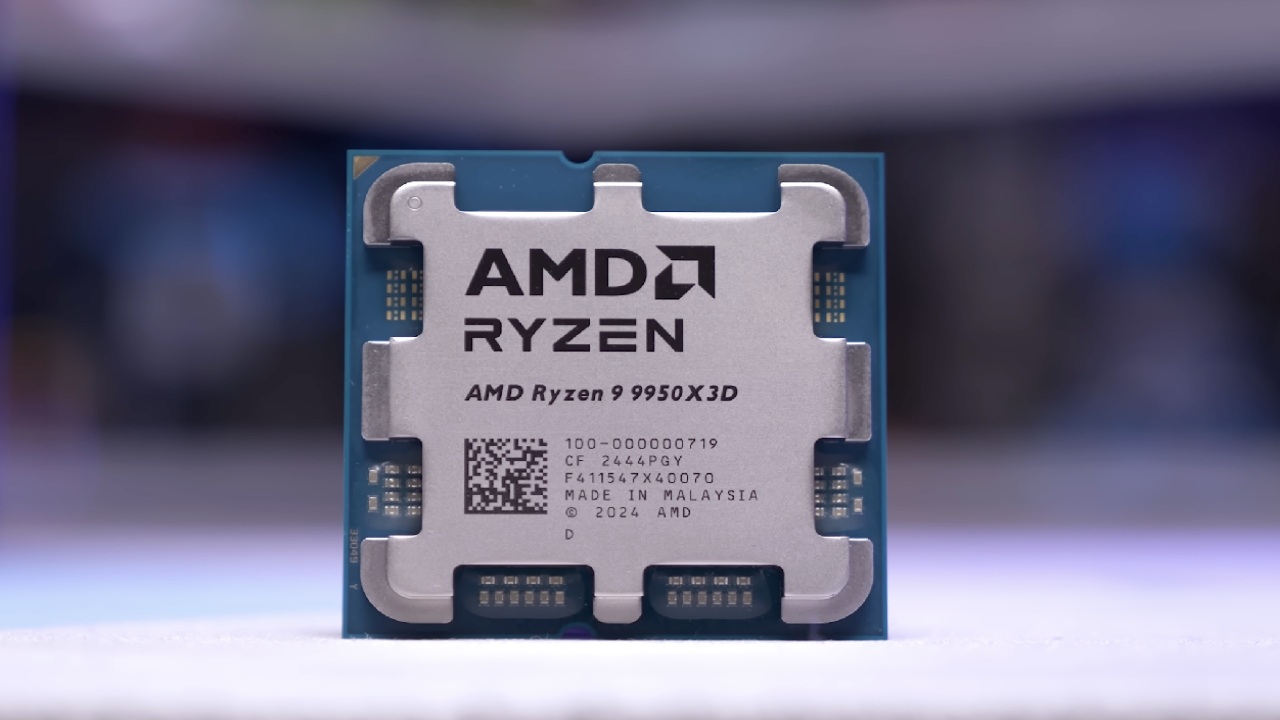
Making a cache and setting up a CCD
Last year, reports indicated that non-X3D Zen6 desktop parts could have as much as 48 MB of L3 cache per CCD. It makes sense to add extra L3 cache to Zen6 desktop processors because they are likely to have up to 12 cores per CCD. This will make sure that each core has enough. AMD could add 48MB of L3 cache and 96MB of stacked X3D cache to each CCD, bringing the total to 144MB per CCD. If you had two CCDs, you would have a total of 288 MB of cache, which is quite close to what Intel predicts for Nova Lake.
People also expect future X3D models to work this way. Zen6 hasn't been designed with a dual-CCD X3D version from the start, as they did with the original one. That could mean that designs with high-cache dual-CCDs are accessible considerably sooner in the product cycle. This might be interesting to folks who skipped over previous generations and are willing to wait for a bigger bump.
Options for Stacked Cache
There have also been rumors that AMD is looking at even bigger cache systems, with up to 192MB of stacked X3D cache on its own, plus regular L3 cache. These kinds of designs might work, but they cost a lot of money and are only available on halo objects or platforms that aren't extremely popular. AMD may choose to make such a portion its core product if the competition demands it. The practical benefits depend heavily on the software support and the type of work. Still, this proposal indicates how far AMD is willing to go with cache density.
Changes to the building and the timeline
Zen6 will probably make big improvements to the architecture and the cache. It is written in official papers that the way integer schedulers work will change. People say that Zen6 breaks scheduling into six parts, unlike earlier systems, which used a more centralized foundation.
This change is more about getting ready for future designs, making things more efficient, and making things bigger than it is about making huge news right immediately. Both AMD and Intel are preparing long-term design modifications.
Memory Controller and Frequencies
There is also a report that keeps coming out regarding a dual IMC design with substantial modifications to the tune. People working with memory tuning tools have hinted at substantial developments in this area. However, they haven't been officially confirmed yet. If this is accurate, it could improve memory stability and bandwidth scaling, which would be very helpful given people's ongoing concerns about memory prices and availability.
People still have rather realistic ideas about how fast clocks can go. Retail silicon can raise the frequency from 6.2 GHz to 6.3 GHz. In regulated situations, high-end samples can run at higher clocks; however, binning prevents most devices from running at very high frequencies. AMD won't emphasize clock speeds over efficiency and consistency in its news.
Expectations for IPC and Performance
It's hard to say how much IPC will go up, but most people think it will be between 10% and 15%. Without knowing if these data cover more frequent events, it's hard to make sense of them. Zen6 will likely use 2nm technology, which should give it more room to flourish. The changes to the architecture will also significantly affect how well it works.
AMD has also said that thread density has increased by 1.3 times and that performance and efficiency have improved by more than 70%. These numbers account for many different variables. Still, they do indicate that there are benefits beyond merely increasing the number of cores or the frequency.
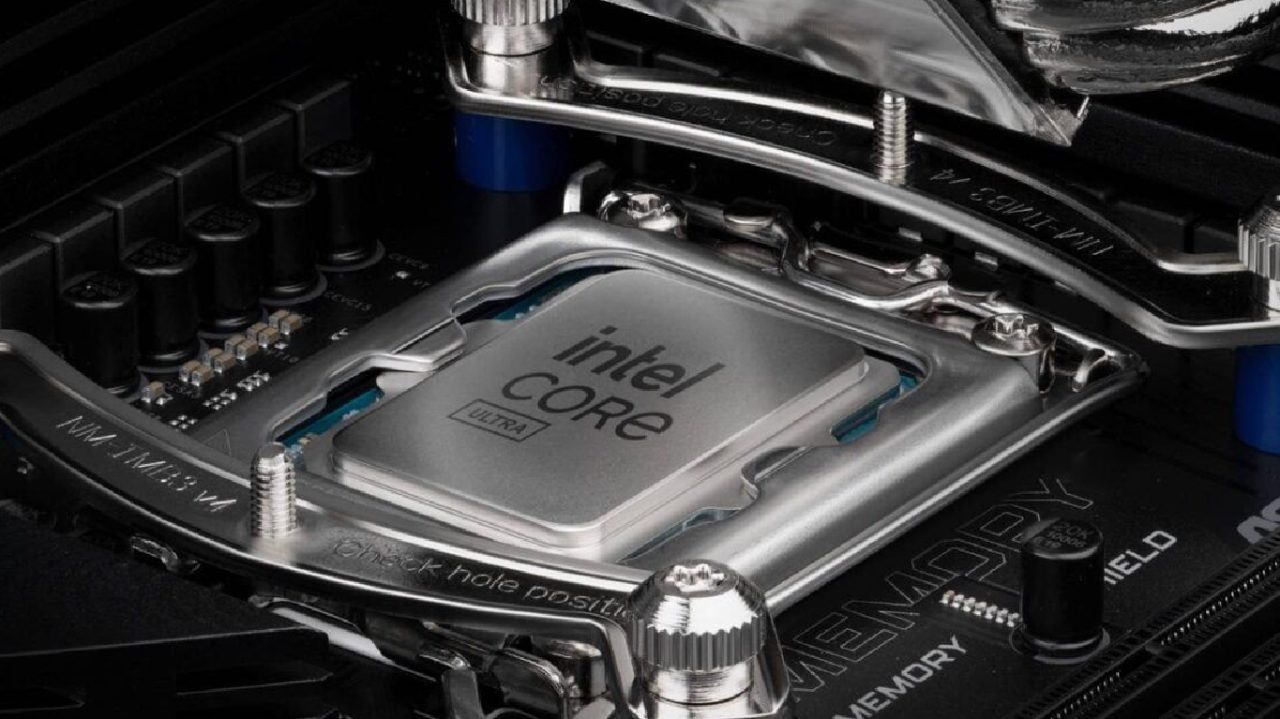
Competing with Nova Lake
Zen6 might be better at workloads that only utilize one thread. In contrast, Intel's Nova Lake might be better at workloads that use more than one thread because it has more cores. Intel's addition of huge BLLC caches will improve some gaming situations. Intel is constantly updating its platform. However, AMD is sticking with AM5, which is still extremely important to many people.
We don't know how long AM5 will last after Zen6. Some indicators suggest Zen7 can run on both AM5 and a newer platform. This could be due to changes in memory standards. It's still not clear when or how easy it will be to adopt newer standards, given how high memory prices are right now.
Final Thoughts
Zen6 will be a huge step up for the next generation, with major changes to cache design, the core architecture, memory handling, and efficiency. People with older devices may want to wait if prices and availability remain the same. Memory supply remains highly essential, but indicators suggest things could improve as production increases and the market evolves. Zen6 offers a reasonable balance of performance, efficiency, and platform continuity.
Also, check our other AMD articles below:
- AMD Ryzen 9 9950X3D Review: Setting The Standard For 2025 Gaming CPU
- AMD Ryzen 7 9800X3D Review: 3D V-Cache Goes God Mode with Stunning Gaming Performance
- AMD RX 9070 Performance Review: Thermals, Clocks, and Real-World FPS
- AMD Ryzen 5 7600 Review: Best Budget Gaming CPU of 2025?
- AMD Radeon RX 7800 XT Review: RDNA 3 Power For Midrange Gaming
- Sapphire NITRO+ AMD Radeon RX 9070 XT Review: The Ultimate 4K Gaming GPU
- AMD Ryzen 7 7800X3D: Delivers Gaming Performance Far Beyond Expectations
- AMD Ryzen 9 7900X Review: Powering the AM5 Era with DDR5 & PCIe 5.0
- Intel Core i9‑14900K vs. AMD Ryzen 7 7800X3D: Power Profiles & Gaming Benchmarks
Editor, NoobFeed
Gaming Hardware Updates
No Data.