
Baldur's Gate 3, Divinity, and the AI Panic That Never Was
A single misunderstood sentence sparked outrage, but Larian Studios proves human creativity still drives RPGs—even in a world obsessed with automation and generative tools.
News by Zahra Morshed on Dec 29, 2025
A familiar tension is coming back in the world of role-playing, and it's all about one word that can cause anger in seconds. AI Now, Larian Studios, and Baldur's Gate 3 are at the center of that discussion.
This is not because of how the game was designed or how money is made, but because of a headline that got attention without its own context. What happened next was not a scandal, but rather an example of how modern conversation breaks down when put under pressure.
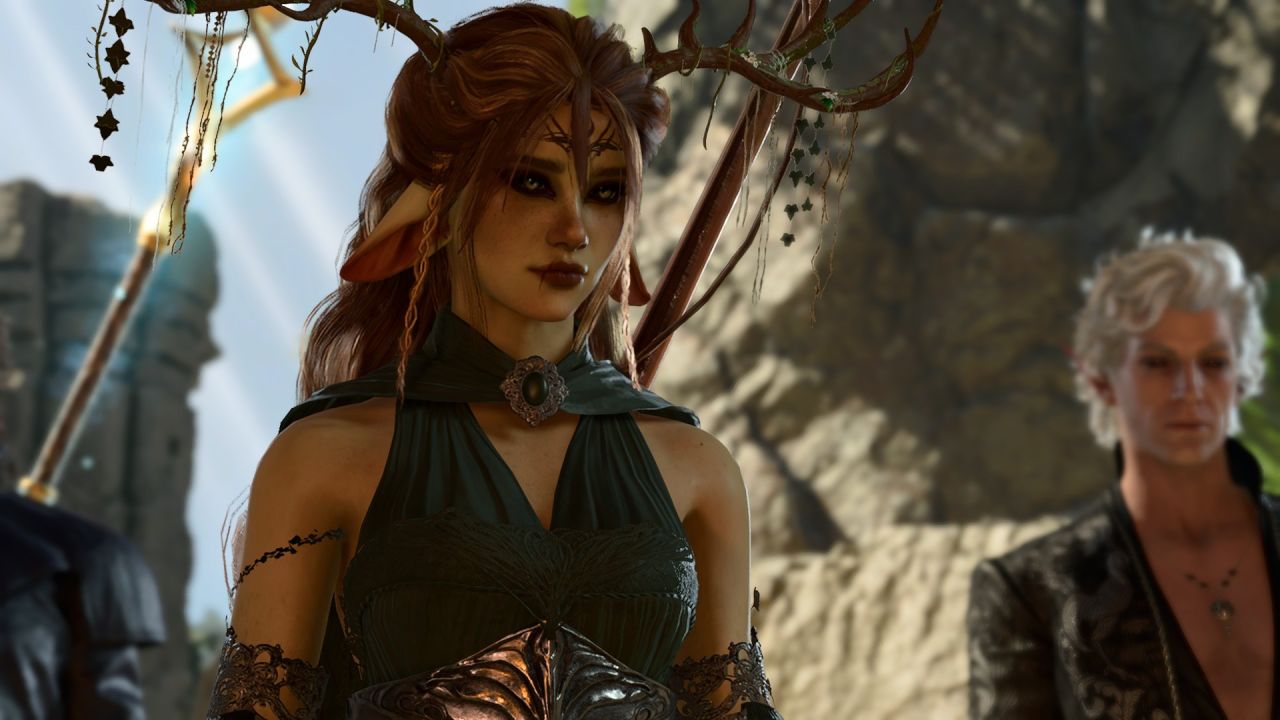
Larian's hit new clip at The Game Awards led to the spark. In a later interview with Bloomberg, the heads of the company talked about what would happen with Divinity and what it takes to make a game with a lot of people.
The main topics of the discussion were sustainability, scope, and ambition. Divinity is still turn-based, spiritually in line with Baldur's Gate 3, and seen as a pet project that excited the team enough to send resources from other projects to work on it.
It was also very honest about the timelines for development.
It took almost six years to make Baldur's Gate 3, which the studio doesn't want to do again. A four-year cycle was set as a healthy goal because it balanced the depth of the work with the health of the team. In today's world, where stories about stress come out every week, that goal seemed reasonable instead of harsh.
Then the life-changing sentence came. Larian and their interest in creative AI was talked about. That one phrase covered up all the other information. The response online was immediate and harsh. It's easier to spread clarification than to spread assumptions.
The story was based on a fear that AI-generated art, writing, or shows would become part of the studio's work.
It didn't take long for things to get cleared up, but the damage to the image had already started. In follow-up reporting, Larian explained its point of view in great depth. The studio has added more creative people, not taken them away.
The number of writer rooms is growing. Casting and talent capture are still very important. There are twenty-three concept artists who work on production and creative art every day. If this is a company that does automated creativity, then these moves are very strange.
Any study of machine learning tools is internal, incremental, and focused on making workflows more efficient instead of replacing outputs. Larian clearly said that it does not put any AI-generated content in its games.
The goal is to lower friction, make things better, and let artists spend more time making art instead of dealing with costs. That difference is important, especially to people who really care about writing.
It's easy to see why people are sensitive. People who play Baldur's Gate 3 are not passive users. They read back and forth lines. They look at history deeply. They value meaning. In a group like this, people get worried as soon as they hear the word "automated storytelling."
But the studio is doing what it said it would do. The Divinity statue at the awards represented artistry in an automated world. This was a message that most people missed.
A similar argument raised the stakes.
When placeholder graphics made in the early stages of development were shipped, Clair Obscur: Expedition 33 got into its own argument about AI. The assets were taken out quickly and replaced with human-made work. Even so, the game lost two Indie Game Awards for the title because of its short use of AI during production and not in the final release.
Sandfall Interactive dealt with the problem head-on. The studio said that all of the finished materials, including writing, acts, and art, were made by people. AI tools were tried out early on, but people decided not to use them or reject them on principle.
The director made it clear that there will be no AI-generated content in future Sandfall games. But the sentence had already been given, which made people wonder if it was fair and what the people who gave it wanted to happen.
The Arc Raiders debate adds even more confusion to the situation. Before people had time to understand the situation, Embark Studios' Steam page announcement about using machine learning led to criticism.
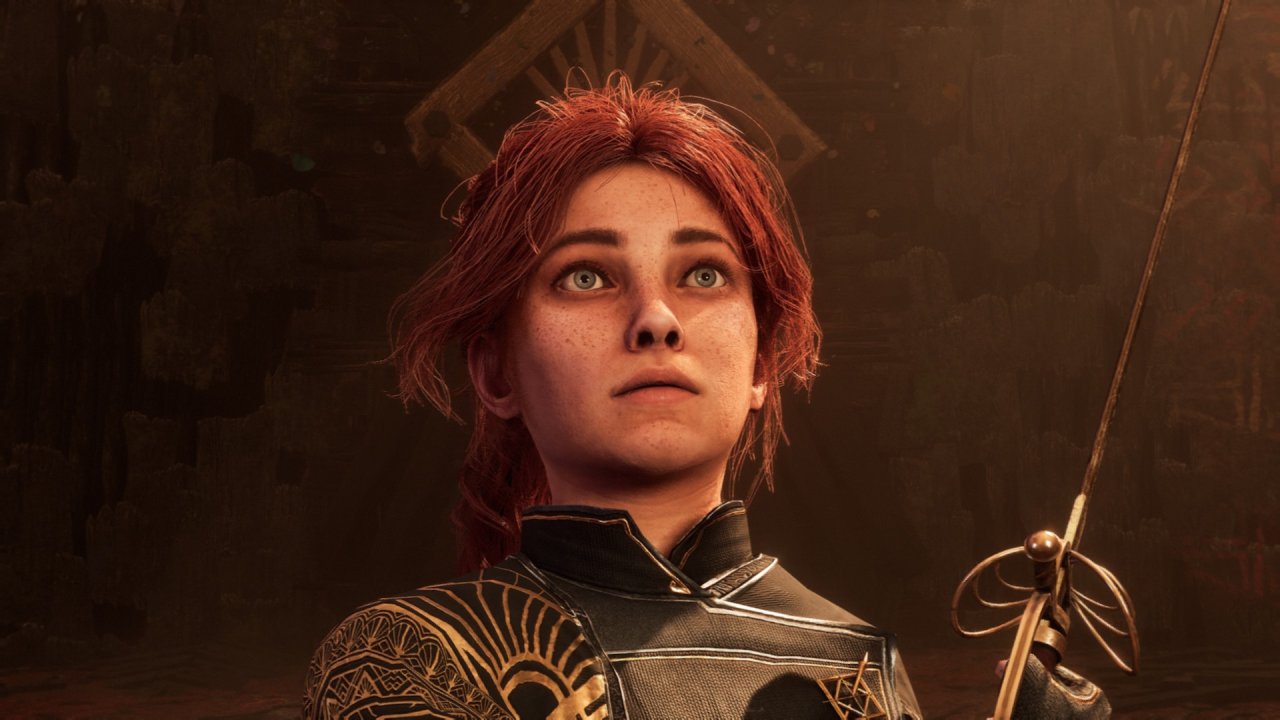
The company made it clear that no generative AI makes art or levels. Machine learning helps with enemy moving systems. For dynamic utility callouts done with the agreement of the actors, text-to-speech is used. Still, critics said the quality fell, which changed the argument from ethics to execution.
There is an unanswered question at the heart of all these events. Where's the line? Artificial intelligence has been used in games for a long time, from the way levels are made on the fly or NPCs act more realistically, to newer technologies like DLSS and PSSR that improve the quality of graphics. People aren't afraid of the tool. When clarity isn't there, it's the breakdown of trust.
There are no enemies in this moment; it's all about language. Tools are seen by studios. Slippery slopes are visible to players. People who review it see risks to the standard. Developers see a way to stay alive. If you don't have the same definitions, every exchange turns into gibberish. The future of creative games will rest on showing that human vision is still at the core of the games, not by rejecting technology.
Contributor, NoobFeed
Related News
No Data.