
Final Fantasy VII Remake Part 3 Possibly Releasing on Every Platform at Once
Talk in the industry points to a Summer Games Fest reveal, no exclusivity, and a shift in Square Enix's long-term plan.
News by M. Hasan on Feb 06, 2026
It's possible that the most important part of the Final Fantasy VII Remake story is almost here, and it has nothing to do with plot turns or boss fights. The real shock might come from how and where the last chapter starts. New talk in the industry says that Final Fantasy VII Remake Part Three might not be exclusive to any one platform at all, but instead appear at the same time on all major systems.
This would be a big change for one of the most famous video game titles and a sign of bigger changes to come in how big publishers handle blockbuster releases. Officials say that there have been recent talks in the industry that Final Fantasy VII Rebirth will be shown at a Nintendo-focused event soon.
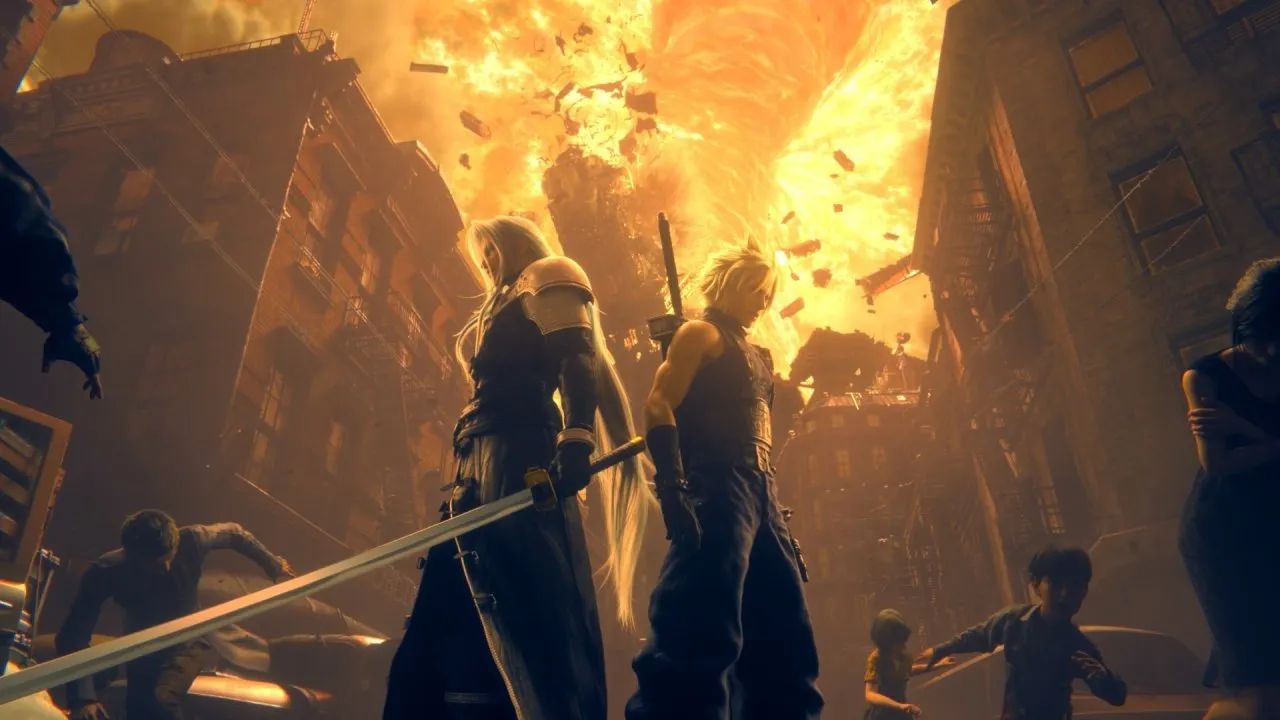
Even though the event is mostly about third-party games, the effects go far beyond just one show.
Reports say that the showing is part of a coordinated plan to bring Rebirth to more platforms before the end of the summer. When you write these papers, it is very important. Many people have said that Rebirth should come out on other systems in the summer, and June seems like the most likely month for this to happen.
This is the right time for Summer Games Fest, which has become a worldwide hub for big game announcements. It makes sense: get a lot of people to read Rebirth, build up interest again, and then show Part Three while everyone is looking. This approach has been used before. The first three gamesin the remake trilogy all had big announcements that happened around big events in the business.
It would feel natural to use that recipe again now, especially since the franchise is almost over. But even though the time seems right, the platform approach being talked about is not at all typical.
Sources say that there is a high chance that Final Fantasy VII Remake Part 3 will come out without any kind of exclusive deal. The game will likely come out at the same time on PlayStation, PC, Xbox, and Nintendo hardware, instead of starting on one platform and then expanding later. Even PC, which has been known to be late in the past, is said to be part of the day-one plan. This kind of full-on launch would be very different from how the remake project has been run up until now.
Fans of the game for a long time will naturally wonder if this really marks the end of the PlayStation-first era for Final Fantasy VII. The series has deep historical ties to a certain generation of consoles, and the remake series has often been closely linked to that identity. However, the game world has changed a lot, and more and more, publishers are putting reach over tradition.
In the past few years, Square Enix has been very open about wanting to change how it releases games.
The company has said that limiting big games to a single platform can hurt sales, especially since the cost of making games keeps going up. Making things more available is no longer a nice-to-have; it's a must. Launching Part Three everywhere at the same time would make that idea clearer than ever before.
Also, there is a discussion that might finally be put to rest by such a move. As soon as Rebirth came out, people started talking about how well it did in the marketplace. Some said that platform exclusivity was a big reason, while others said that market conditions, the time of the release, or even the way the remake project was set up itself played a part. By putting out the last chapter on all devices at the same time, Square Enix would get rid of the need for exclusivity. The results would speak for themselves, no matter what happens next.
The way Rebirth runs on PC has already added to this conversation. When the game went beyond its original base, players became much more interested. That boost made the case even stronger that Final Fantasy VII has a bigger following than any one ecosystem. Adding Nintendo and Xbox players could make that spread even bigger, even though sales aren't the same on each platform.
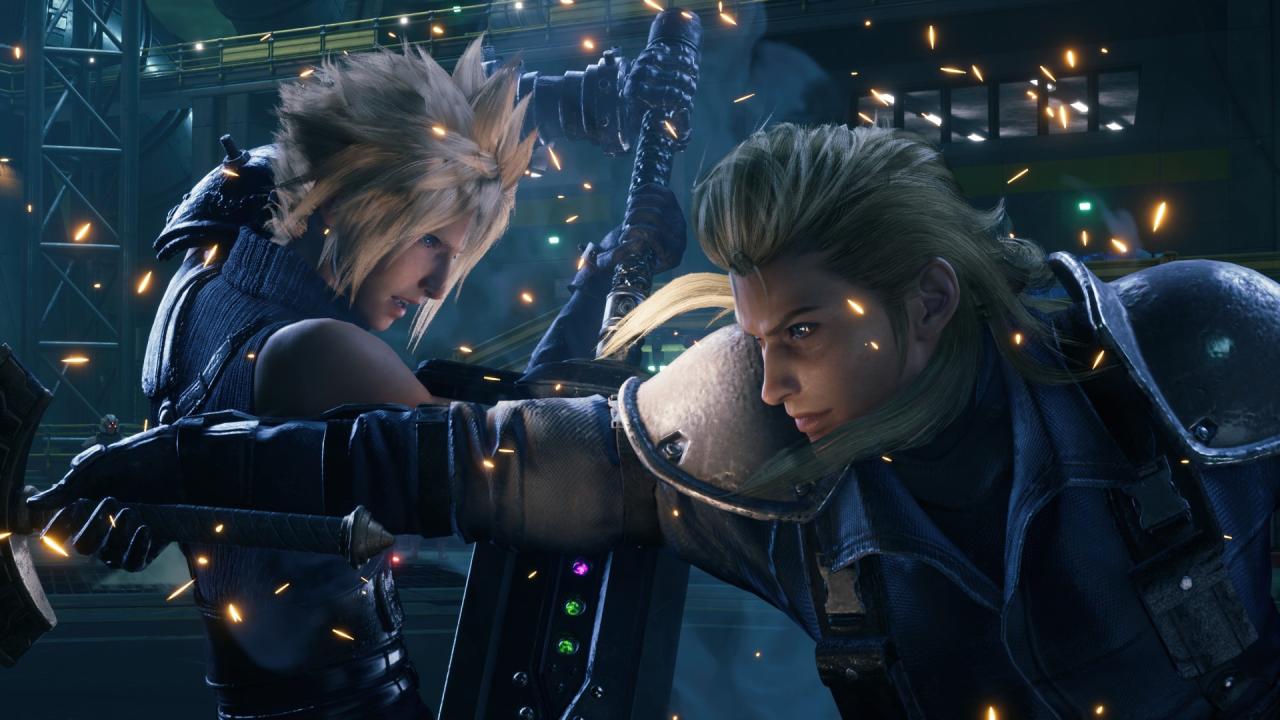
It is important to keep in mind that people's ideas about Square Enix's platform relationships are often based on big marketing deals rather than the whole picture. Even though special deals have been all over the news, the publisher has worked closely with many platform owners in the past, including Nintendo. In fact, the fact that they work together in many different environments shows that they are more flexible than many fans think.
There is more to think about than just numbers and tactics.
There is also a symbolic side to it. Final Fantasy VII Remake Part 3 isn't just another sequel; it's the end of a project that's been going on for years and changed the way old games can be remade. In a way, ending that trip with a universal release makes sense. It turns the ending into a shared moment that fans can enjoy no matter what technology they use.
This change is also supported by the bigger picture of the business. Second-party access deals aren't happening as often as they used to be, and publishers are starting to wonder what their long-term value is. Some well-known games that used to only be available on one device are now coming out on more than one. More and more people are realizing that the number of players and the size of the group are more important than loyalty to a single platform.
Of course, none of this is confirmed by the government.
As with a lot of talks in this field, the information is somewhere between educated guesses and well-informed speculation. But the confidence in these stories, along with Square Enix's recent strategic messages, makes the situation seem more real than ever.
As summer draws near, excitement keeps growing. A Nintendo showcase for Rebirth, then a wider release and a reveal at Summer Games Fest for Part Three, would make for a strong story arc leading up to the last part. Of course, it would also be the end of an era and the start of a new one, and not just for Final Fantasy VII. It would also change how big RPGs are released in the current gaming world.
The main theme of Final Fantasy VII has always been to fight against fate, break patterns, and choose a new path to follow. If the last game actually does come out all at once, it might be doing the same thing behind the scenes. Will this courageous action bring fans together on all platforms, or will it spark a new conversation? about identity, memory, and the future of exclusives?
Editor, NoobFeed
Related News
No Data.