
Details of Ghost of Yōtei Legends: Four Difficulty Levels, Flexible Weapons, New Classes, and a Four-Player Raid After Launch
New details show how the multiplayer mode was created in tandem with the campaign, adding more challenging cooperative tasks, a social lobby, and deeper build crafting.
News by Mahi Araf on Mar 11, 2026
If you've been following Ghost of Yōtei's multiplayer aspect, a recent update has finally revealed more details about what the Legends mode will truly provide. According to the latest information, the mode is not merely coming back with minor adjustments. Rather, it appears that the developers have put a lot of effort into making it larger and more organized than what players have previously encountered.
One of the first things that stands out is how long Legends has been in the works. The information shared says that the multiplayer mode has been in development for just as long as the single-player campaign. That one detail says a lot about how big the project really is. The mode wasn't released at the same time as the campaign, which means it's been in the works for even longer behind the scenes.
The campaign has received updates like New Game Plus before, but Legends seems to be coming out on its own schedule, shortly after the main game. That makes it seem like the team was treating the multiplayer feature as a full feature rather than just a quick add-on from a player's point of view.
Because of that development time, the expectation is that the mode will feel more fleshed out than before.
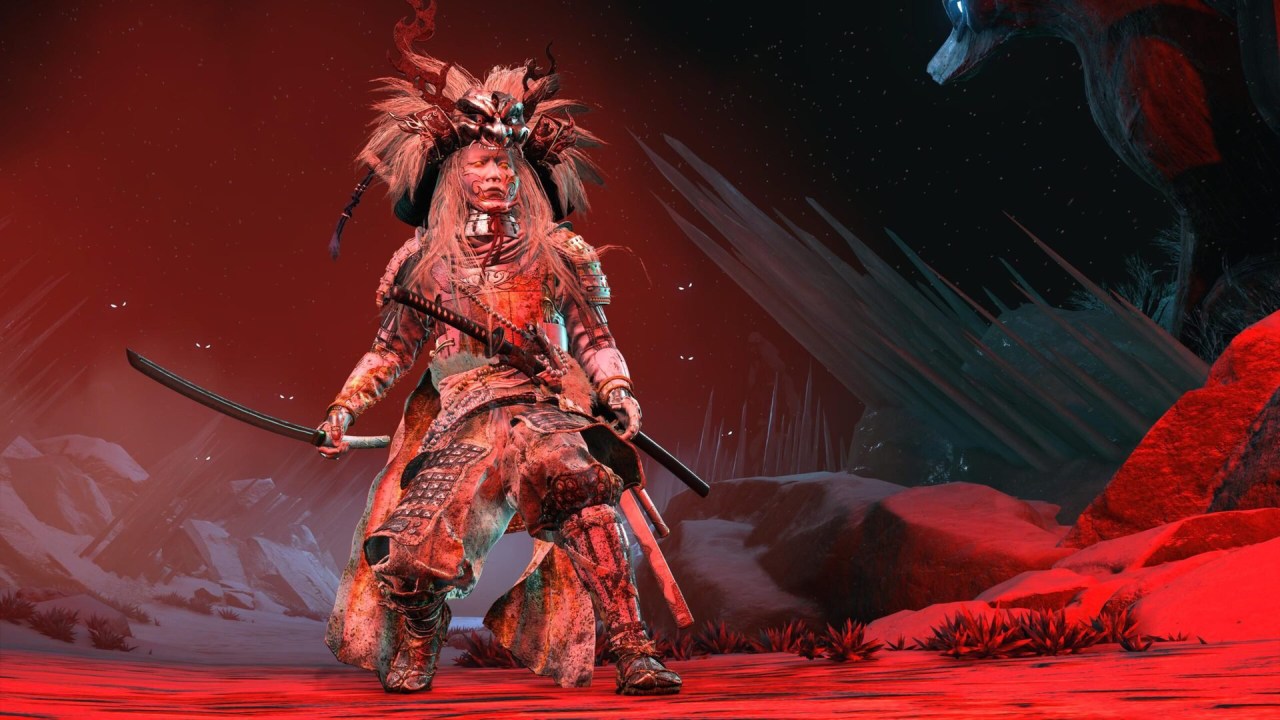
Early signs show that the enemies are following a different direction. For example, the Yot 6 group is no longer shown as regular human enemies. Instead, they look much more like monsters or mythical creatures, with bodies and features that look less human and more like something from a zombie apocalypse. That change alone makes combat encounters feel different because you're not just fighting other warriors anymore; you're facing something more supernatural.
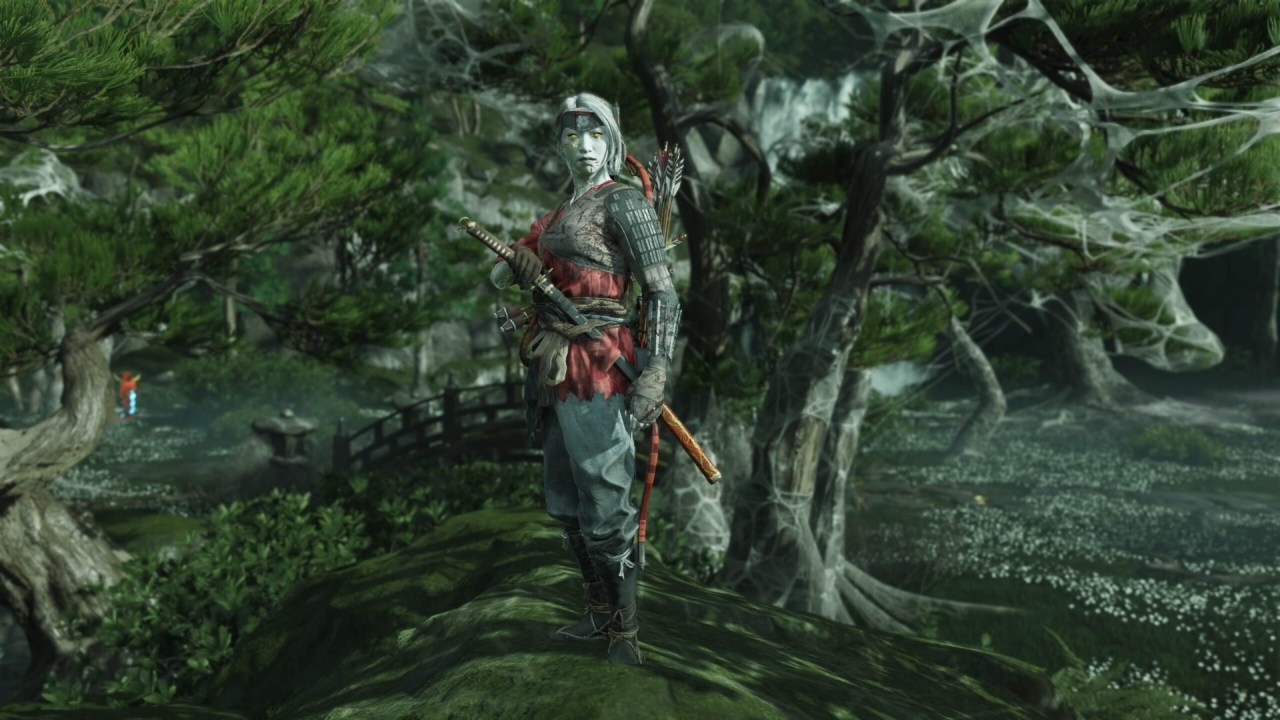
Another big topic is the class system. Just like in the last Legends game, you will still have a lot of classes to choose from. Every class has its own strengths and ways to fight. The new system, on the other hand, looks like it gives you a lot more ways to customize your character. The developers have said that classes are there to help players deal with different situations and work with their teammates, but they don't want you to be stuck playing the same way all the time.
In practice, that means you can still specialize, but you are not restricted to specific weapons just because you picked a certain class. In earlier versions of Legends, players often leaned toward certain combinations simply because the class identity pushed them in that direction. The idea now is to give you a role without boxing you in. You can still experiment and adjust your playstyle without feeling like you are breaking the system's rules.
That being said, each class still has a weapon that it naturally prefers.
The Samurai class in Ghost of Yōtei, for example, focuses on the Odachi, which fits the image of a strong fighter on the front lines. The Archer likes the Yari, the Mercenary is good with two katanas, and the Shinobi is good with the Kusarigama. These types of weapons are also linked to the tech trees for each class, which means that some skills and abilities will work best when you stick to the styles they were meant for.
The most important thing to know is that these weapons are not exclusive. You can still pick up other weapons if you want. You might miss out on some abilities or skill bonuses that are linked to the class's focus weapon if you do this, but you still have the choice. You can choose to run a Samurai with two katanas instead of the Odachi if you want to. The trade-off is just about which parts of the skill tree you choose to focus on.
That flexibility lets players try out hybrid builds. You don't have to stick to the planned path; you can mix and match gear and abilities to make something new. There are still separate tech trees for each class, which means that building your character will depend on the gear you get and the skills you choose along the way. This means that your character changes based on the choices you make, not a set template.
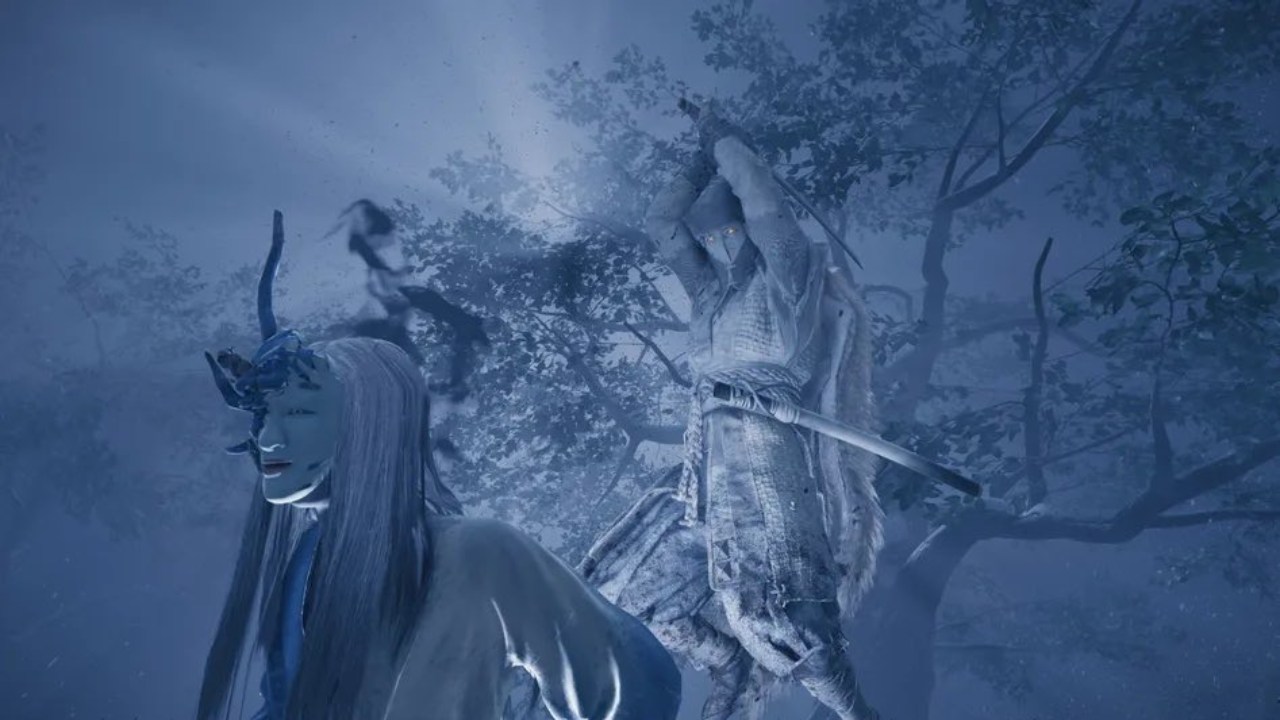
Difficulty settings are also returning, and this time they are tied closely to progression. Every mission in Legends can be replayed, and there are four difficulty levels available: Bronze, Silver, Gold, and Platinum. The higher you climb in difficulty, the tougher the enemies and challenges become. At the same time, the rewards scale up alongside that difficulty.
If you choose to play on higher levels, you will earn XP faster.
That means your class progresses more quickly and the loot you collect becomes more valuable. On the other hand, if you are undergeared for a certain difficulty, the game will give you a warning before you start the mission. The system doesn't stop you from trying, though. If you want to jump straight into something difficult, you can still go for it. Some players prefer to gradually work their way up the ladder, while others immediately chase the hardest content available.
Cosmetics are also part of the Legends experience, continuing the tradition of unlocking unique visual rewards through multiplayer progression. While cosmetic customization has already been a familiar feature in the series, it remains a core incentive for replaying missions and improving your character.
Story missions return as well, and they follow a similar storytelling approach to the previous version of Legends. Instead of presenting events in the usual campaign format, the missions are framed as legends being told by a storyteller. As you play through the events, the narrator describes the unfolding tale, turning each mission into a myth being retold rather than a direct piece of history.
Looking beyond the main missions, a larger challenge is already planned shortly after launch.
A raid is scheduled to arrive the following month, and it is shaping up to be the most demanding piece of content in the mode. This raid will focus on the remaining members of the Yot 6, specifically the Dragon and Lord Saito. Unlike standard missions, the raid is designed specifically for four players and requires a full team to complete.
That requirement alone sets it apart from most of the other activities in the game. While many Legends missions allow you to play solo if you prefer, the raid is strictly cooperative. All four players must be present, and teamwork will be essential. Communication becomes especially important because the raid includes puzzle elements that cannot be solved without coordination. The structure is closer to the kind of group challenges you might see in games built around raids and long-form cooperative encounters.
Outside of combat, the multiplayer experience is also getting a new social space. Instead of the simple menu-style lobby used previously, Ghost of Yōtei introduces a fully interactive lobby area. The goal is to give you something to do while you wait for friends to join your party, rather than leaving you staring at a static screen.
Inside the lobby, you can check the feats you have completed, unlock cosmetics, and adjust your character builds. You can modify your tech tree, swap equipment, and prepare for the next mission while your teammates get ready. It turns what used to be downtime into a more active part of the experience.
The lobby also includes a few lighter activities.
There are small competitive elements, such as mini-games, that let you challenge friends while waiting. Bamboo Cut is one example, letting players compare their performance through leaderboards and see who completes the challenge most efficiently. These additions are not meant to replace combat, but they give you something engaging to do between missions.
You can also practice mechanics in a training area without the stress of a mission. You can use this space to practice perfect parries or try out a new build before you go into real battles. Before you take on harder challenges, the training zone helps you improve your skills and get used to your gear.
All of the information paints a picture of a multiplayer mode that is trying to grow beyond what it was originally based on. Ghost of Yōtei looks like it's making a version of Legends that feels more complete from the start by adding more customization options, flexible class design, missions that can be played again, and big cooperative raids.
So, in short, you need to pick a class, build your character with gear and skills, complete missions at the level of difficulty you want, and eventually get a team strong enough to take on the raid that is coming up. Along the way, you unlock cosmetics, get better at fighting, and spend time in a space that keeps the multiplayer experience going even when there isn't any action.
All of them point to Legends becoming a major pillar of Ghost of Yōtei rather than just an extra feature attached to the campaign. With the mode arriving shortly after launch and a raid already planned soon after, it looks like the developers intend for players to stay busy in this world long after the main story ends.
Senior Editor, NoobFeed
Related News
No Data.