
Housemarque Might Be Repeating Itself After Returnal and Saros, and That’s the Real Concern
Inside the debate over whether the studio should double down on familiar arcade-style hits or take a sharp turn into something new.
News by Mahi Araf on May 12, 2026
You’re stepping into a conversation that’s less about a single game and more about where a studio like Housemarque goes from here after building a very specific identity over the years. With Returnal behind them and Saros now out in the world and completed from your perspective, you’re left looking at what comes next for a developer you’ve likely followed closely if you care about arcade-style action games.
Housemarque has never really been the type of studio that follows a straight sequel path. You don’t usually get a clean “and now here’s the next installment” situation like you might with other big PlayStation franchises. Instead, you’ve seen them shift and evolve through games like Super Stardust HD, Dead Nation, Resogun, Nex Machina, Matterfall, Alienation, Returnal, and now Saros. Each one feels like a variation of a core idea rather than a direct continuation.
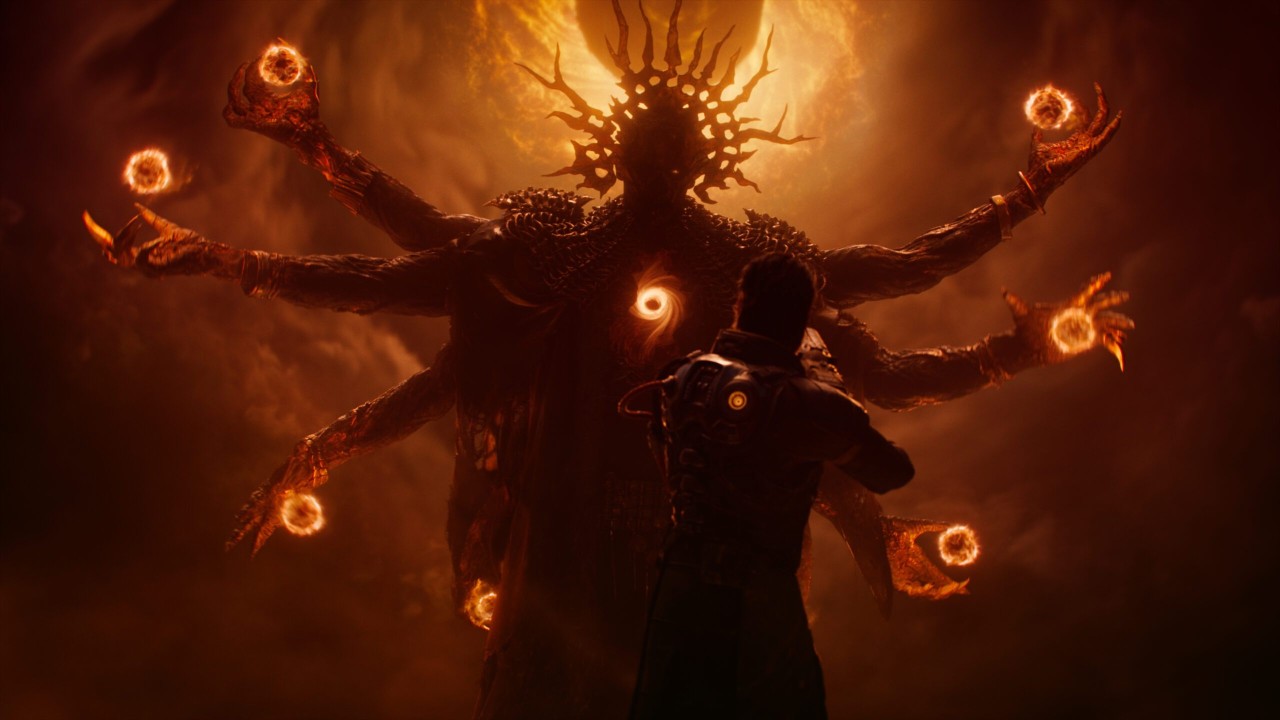
After Returnal, the expectation might have been that the next step would be a refined version of that formula.
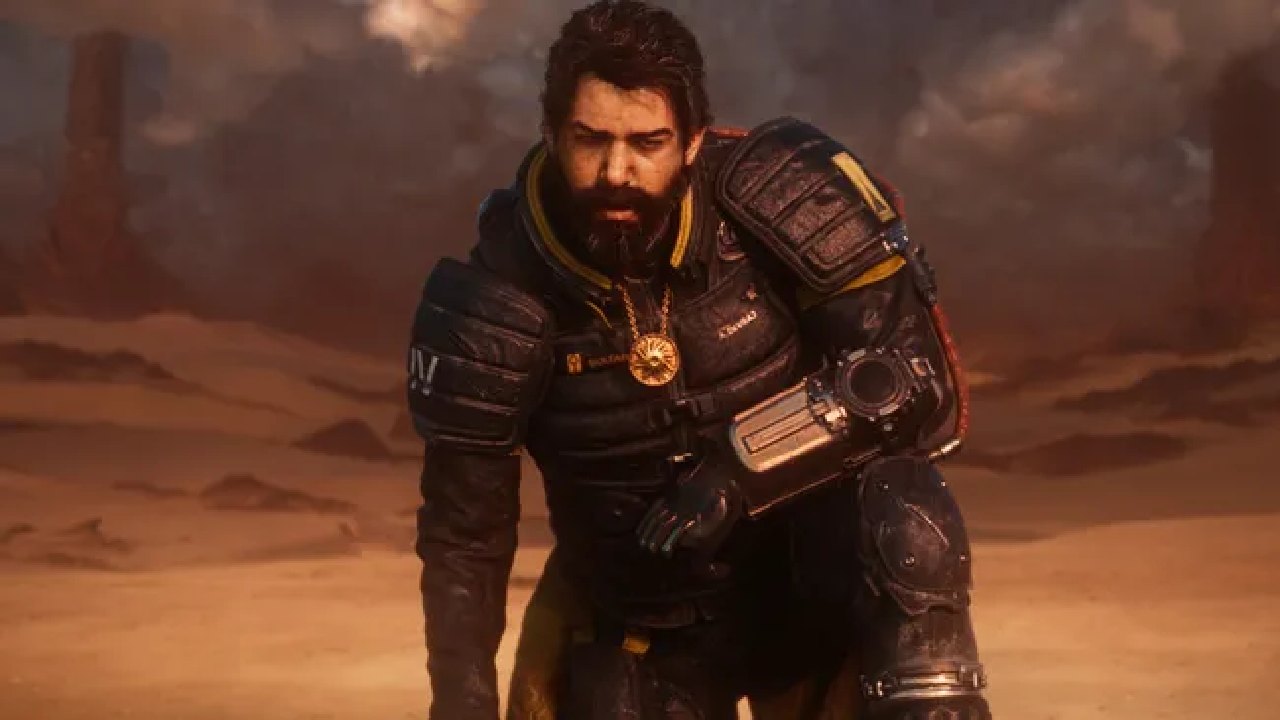
Saros ends up fitting that idea more closely than anything else they’ve done recently. It’s still very much in that Returnal-like space, but with more accessibility and some structural adjustments that make it feel broader in appeal. From your perspective, that creates an interesting situation where you’re enjoying the direction but also noticing how familiar it feels.
That’s where the tension starts to show. You’re not asking for them to abandon what they do well. You’ve already experienced how strong their design philosophy is when it clicks. Returnal in particular set a new standard for them, even if it didn’t reach massive sales numbers in the broader PlayStation ecosystem. It reportedly sits under the million mark in sales, somewhere in the 800,000 to 900,000 range, which puts it in a very different tier compared to PlayStation’s biggest first-party titles.
Saros is expected to improve on that, but even then, you’re still dealing with numbers that don’t come close to something like God of War or Horizon. That gap matters in the background because it influences how PlayStation likely views the future of studios like Housemarque. It’s not just about critical success or fan appreciation, it’s also about whether these types of games can scale.
And that leads to the bigger question you’re dealing with: should Housemarque keep iterating on this style or take a completely different direction again?
From where you’re sitting, repeating the Returnal-Saros formula again feels like the safest path, but not necessarily the most exciting one. You’ve already seen how Saros evolved from Returnal in a more accessible direction. Doing that same evolution a third time might start to feel like refinement over innovation rather than something genuinely new.
At the same time, you’re aware that Housemarque has a deep history in arcade-style design that goes beyond just this modern third-person roguelike structure. Their past includes top-down shooters, twin-stick arcade experiences, and experimental projects that don’t necessarily fit into one consistent mold. Nex Machina, Resogun, Alienation, Matterfall, and even Super Stardust HD all sit in different corners of that arcade identity.
That opens up another possible direction for them. Instead of continuing down the Returnal-like path, they could swing back into those older arcade structures or evolve them further. You could imagine something like Resogun getting a sequel or a modern reinterpretation, or Nex Machina-style gameplay being rebuilt with current-gen production values. Even something more experimental in a top-down or arena format would still fall within their identity.
But that’s where perception becomes complicated.
You’ve seen how audiences and publishers can interpret “going back” in different ways. After something like Returnal or Saros, a shift toward a smaller-scale arcade project might be seen externally as a downgrade, even if the gameplay is excellent. That kind of perception problem is something studios often have to weigh more than players realize.
This is where comparisons to other PlayStation studios come in. You’ve seen similar conversations around Sucker Punch Productions and where they might go after Ghost of Tsushima and Ghost of Yōtei. Do they go back to Infamous or Sly Cooper, or does that feel like stepping backward in tone and scale? The same type of question applies here, just in a different genre context.
You also see it with Insomniac Games, where Marvel projects have become a consistent focus. Even though they clearly enjoy working in that space, there’s always this broader discussion about whether they should branch out more into new intellectual property rather than staying within one franchise ecosystem.
For Housemarque, the stakes are slightly different, but the pattern is similar.
You’re looking at a studio that PlayStation likely values for its ability to produce high-quality, tightly designed arcade experiences that feel different from everything else in the portfolio. That uniqueness is part of their identity, and losing it would not make sense. At the same time, being locked into one evolving formula might limit how far they can actually grow.
You can already see how that pressure shows up in sales expectations. A game like Nex Machina or Resogun in today’s market would struggle to move large numbers unless it’s positioned carefully. Even Returnal, despite being critically strong and widely appreciated, didn’t reach blockbuster territory. That puts Housemarque in a space where every project has to justify itself not just creatively, but commercially.
So when you step back, you end up with a few clear paths. One is continuing the Returnal and Saros-style evolution, gradually refining that experience into something more accessible and scalable. Another is pivoting back into pure arcade design, embracing their roots even if it means smaller-scale projects. And a third option is something completely new, which is harder to define but potentially the most creatively interesting.
From your point of view, the third option stands out the most, even if it’s the least predictable.
You’re not asking them to abandon what they are, but rather to avoid repeating the same structure too many times in a row. You still want that arcade DNA, that tight gameplay focus, and that sense of precision, but applied in a way that doesn’t feel like an extension of the same idea again and again.
At the same time, you’re also realistic about how development cycles and business realities work. These are not studios releasing games every year. You’re looking at roughly five-year gaps between major releases. That means every decision carries more weight, because you’re living with the results for a long time before seeing the next shift.
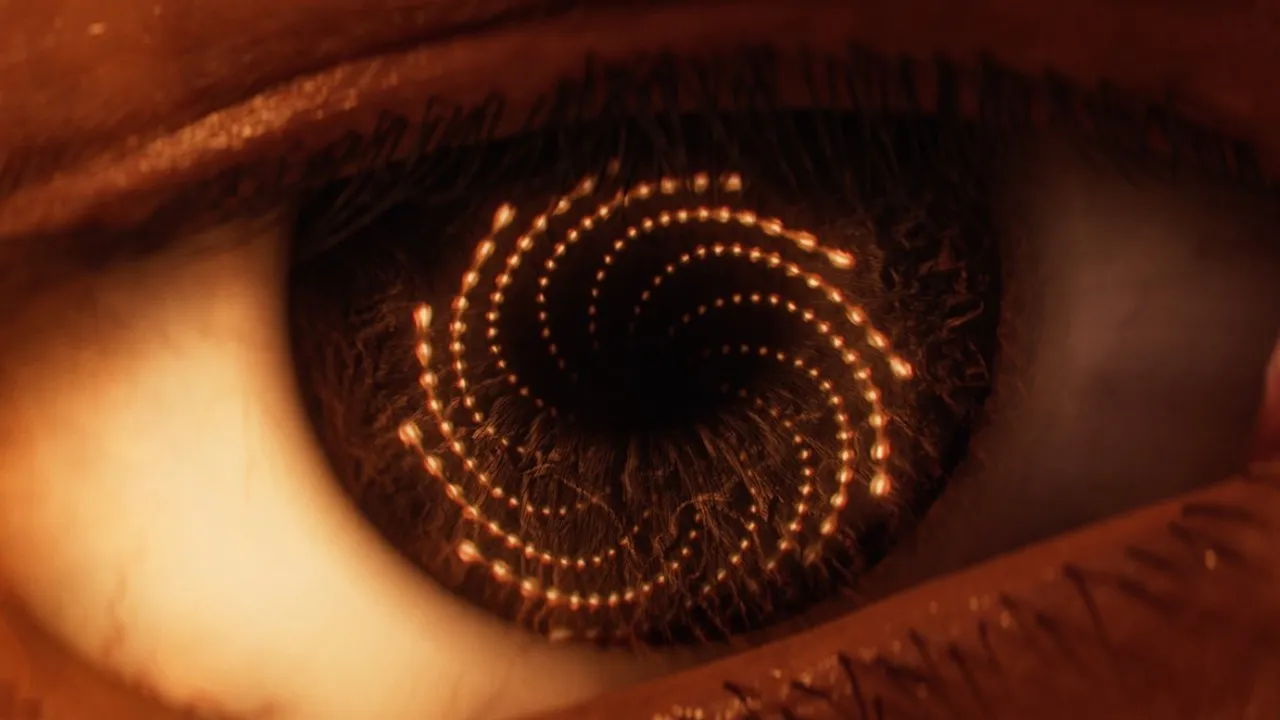
There’s also an acknowledgment that even if Housemarque were to make another Returnal-style game, or even a Saros sequel, it would still likely be a strong experience. Their track record suggests consistency in quality. The concern isn’t about whether the games would be good but whether they would feel fresh enough to justify another full cycle of development.
What you end up with is a studio in a very specific position within PlayStation’s ecosystem. It’s not about being the biggest or the most commercially dominant. It’s about being one of the few teams consistently delivering a very specific type of arcade-inspired experience at a high level of polish.
That’s also why there’s a strong argument for preservation. You wouldn’t want to see pressure from sales or internal expectations push them away from what makes them unique. Studios like this are rare in the modern landscape, especially within a major platform holder.
At the same time, you’re also left wanting variety. You want to see what happens if they step outside the pattern they’ve been refining since Returnal. You want to see if they can take that arcade foundation and push it into a space that doesn’t feel like iteration but reinvention.
So where they go next isn’t obvious.
It could be another entry in the same evolving line that started with Returnal. It could be a return to older arcade formats in a modern form. Or it could be something entirely new that still carries the same design philosophy underneath it. For now, you’re left waiting through another long development cycle, watching for what direction they choose to take.
Senior Editor, NoobFeed
Related News
No Data.