
Jurassic Park: Survival Rumors Point to Open-World Isla Nublar Exploration and Dynamic Dinosaur AI
New development clues suggest the long-awaited survival game could be far more ambitious, with a connected island, systemic dinosaur behavior, and a stronger focus on immersion than many expected.
News by Mahi Araf on Apr 25, 2026
Jurassic Park: Survival is starting to sound much bigger than people first imagined. After months of relative silence, fresh development clues have pushed conversation around the game in a new direction, and much of it centers on one major possibility: this may not be a tightly scripted survival horror game at all, but something far broader set across a living version of Isla Nublar.
From the beginning, the biggest mystery around the project was never whether people cared. It’s Jurassic Park, and interest was always going to be there. What people kept wondering was how far the ambition would go. Would the game be a contained adventure built around a handful of tense dinosaur encounters, or would it actually let you move through the island in a way the franchise has rarely attempted in games?
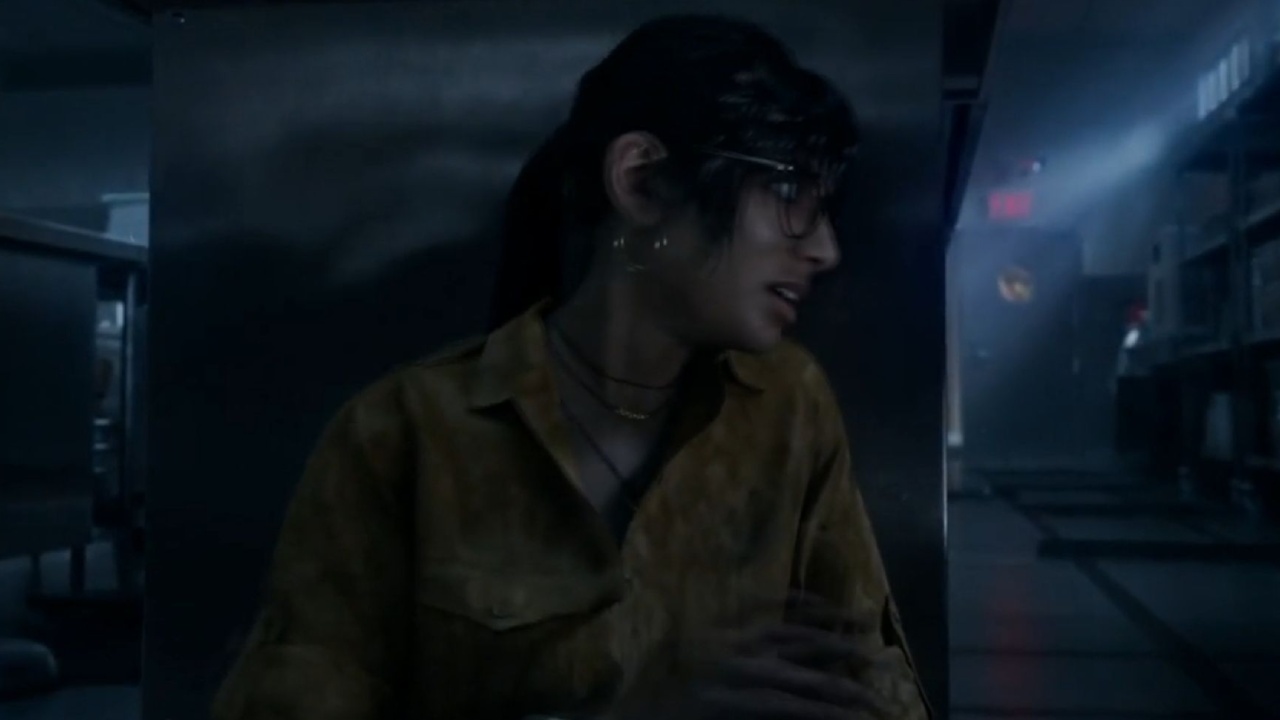
Recent job listings, development details, and ongoing speculation have started feeding the idea that the scope may be leaning toward something much larger.
One of the most talked-about things is the growing belief that Jurassic Park: Survival could have an open-world or semi-open-world design. This would mean different areas of the island to explore, goals spread across regions, hidden discoveries, and more freedom in how survival plays out.
If this is indeed the case, it fundamentally alters the game's structure. Instead of a linear chain of scripted moments, you could be surviving inside an island where danger emerges naturally, and exploration becomes part of the tension. That matters because Isla Nublar has always felt like more than a backdrop. It’s one of the most recognizable fictional locations in film, but games have often failed to treat it like a real place you can inhabit.
The familiar landmarks are all there in theory: the visitor center, jungle roads, maintenance tunnels, laboratories, paddocks, beaches, cliffs, and abandoned facilities. Yet most Jurassic games have only let you touch fragments of those spaces. This could be the first major single-player survival game to connect all those pieces into one explorable world.
Part of what is fueling that optimism comes from development roles that mention large-scale world-building, multi-biome environments, and layered traversal systems. That kind of language usually suggests something much broader than straightforward mission design. It points to regions, routes, and a world built for movement rather than a narrow survival corridor.
Newer references to ecological zones and dynamic navigation challenges have only added to that reading.
Instead of isolated set-piece locations, it increasingly sounds like the island may be structured as a larger interconnected space. Whether the world is fully open or semi-open, it suggests something more ambitious than many initially expected. Another detail drawing attention is the repeated mention of systemic wildlife behavior. That goes beyond traditional enemy AI. It hints at an ecosystem.
That possibility shifts the appeal of the game dramatically. If dinosaurs react to sound, weather, territorial shifts, and your actions rather than appearing only in scripted encounters, the tension becomes much more unpredictable. Suddenly, survival is not about memorizing sequences but about adapting to a living threat.
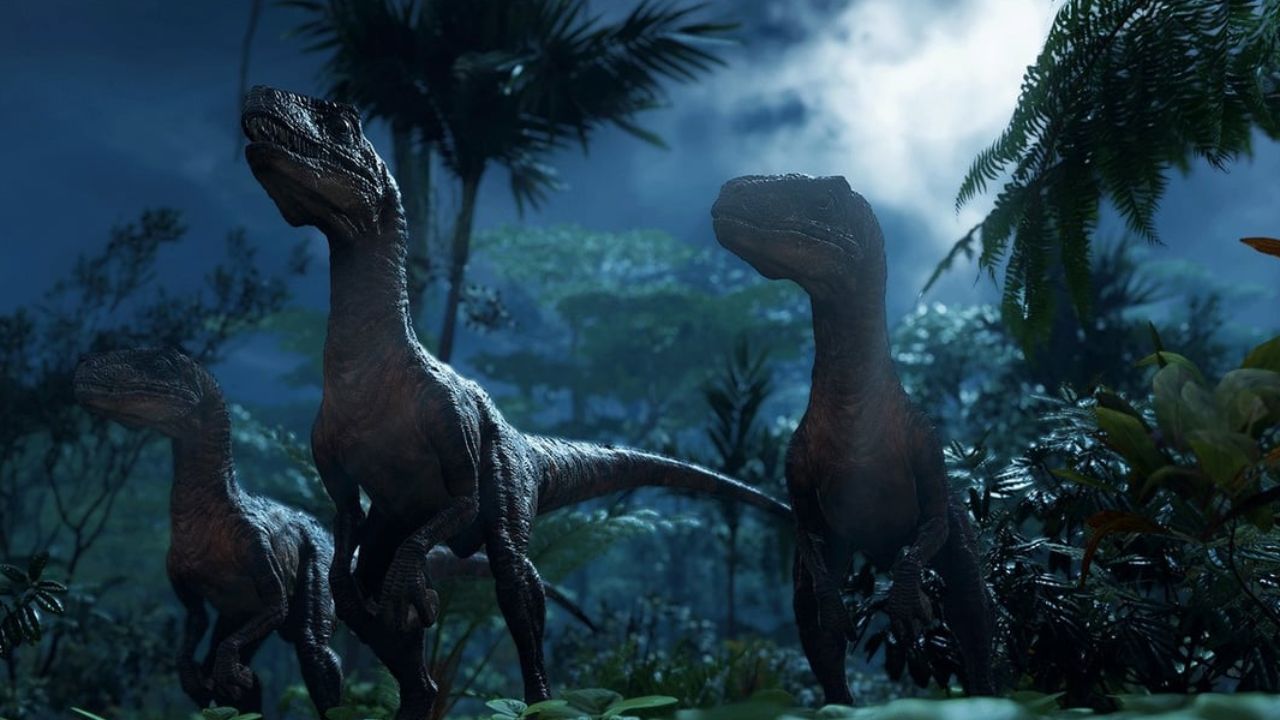
Rumors suggesting species may occupy territories and move depending on conditions only push that idea further. That kind of system works best in a world large enough to support it, which is one reason the open-world speculation has gained so much traction.
The official premise already supports a more expansive survival structure. The game is set one day after the events of the original 1993 film, with you playing Dr. Maya Joshi, an InGen scientist stranded on Isla Nublar after the park’s collapse.
That setup immediately creates tension. The park has already failed. Security is damaged. Power is unstable. Dinosaurs roam freely. Human support is gone. Instead of entering a functioning park, you’re surviving in the aftermath of a disaster.
That opens the door to gameplay built around crossing different parts of the island to restore systems, recover supplies, reach communications infrastructure, retrieve research, or work toward evacuation while predators control the environment around you.
That kind of structure feels naturally suited to Jurassic Park in a way a more linear design often doesn’t.
Location variety could be one of the game’s biggest strengths if these ideas hold up. Dense jungle areas with almost no visibility. Guest zones overtaken by nature. Industrial maintenance corridors leaning into horror. Research facilities that keep dark secrets. Storm-damaged coastlines. Interior spaces where raptors become the dominant threat. Those spaces matter because Jurassic Park has always been about more than dinosaurs. Fear often comes from the atmosphere.
A failing power station lit by flickering lights. Rain is crashing against the windows of an abandoned control room. Tall grass moving when nothing should be there. Footsteps echoing through the ventilation shafts. Those are the moments where the tone of the franchise lives and where this game could stand apart.
That’s also why comparisons to Alien: Isolation keep coming up. If dinosaurs are treated as intelligent hunters rather than routine enemies, the game could tap into something special. Raptors should feel like creatures that stalk, react, and force improvisation, not just obstacles to avoid.
The T. rex, meanwhile, should feel rare and overwhelming every time it appears.
There’s cautious optimism surrounding Saber Interactive for similar reasons. The studio has experience handling scale, creature encounters, and action-heavy systems. The real question is whether it can balance that with restraint, because Jurassic Park works best when tension builds rather than constantly explodes.
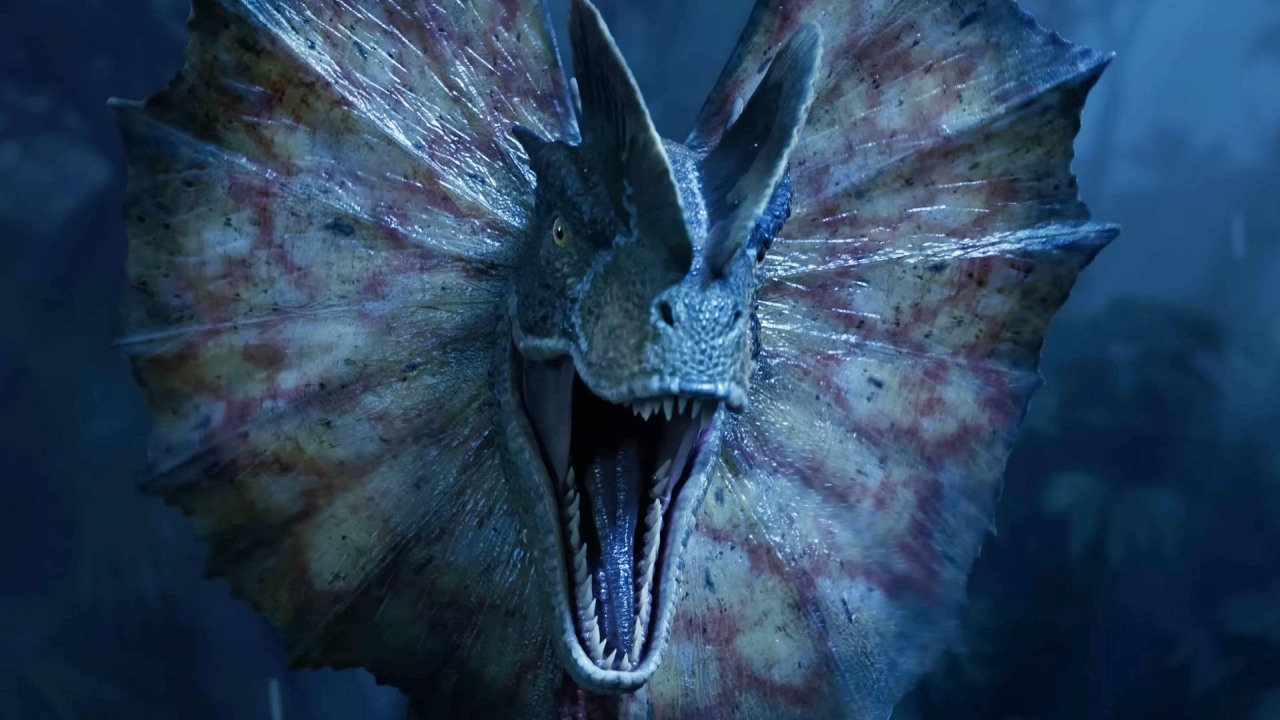
Open-world design makes that balancing act even more important. Done well, it can create immersion, freedom, and discovery. Done poorly, it can become another oversized map full of repetitive objectives. That’s exactly what people hope to avoid.
What many want is exploration with purpose, not collectible-driven busywork.
The strongest version of Jurassic Park: Survival would let a story emerge through the environment itself. Discovering what happened in the ruined staff facilities through emergency logs, overturned rooms, blood trails, and broken doors. Finding forgotten routes through jungle sectors. Learning which areas are manageable during daylight and which become death traps after dark. That kind of environmental storytelling feels made for this setting.
For years, Jurassic games have largely stayed in management sims or smaller spin-off experiences. What many fans have wanted is a premium survival game built around the fantasy of simply being trapped in the original park and trying to stay alive. That’s why every hint around this project is getting so much attention.
There are still major questions that need answers. How movement feels, how often dinosaurs appear, how progression works, how reactive the systems really are, whether exploration feels meaningful, and whether the island has the scale these clues suggest all remain unknown.
But what these recent details have done is reinforce the possibility that this could be more than a short, scripted, licensed game. It could be something much closer to a true Jurassic survival experience.
Another layer that adds to this comes from encounter and animation roles that reference emergent threat encounters and nonlinear engagement scenarios. That wording has been closely watched because it implies situations shaped by systems and prior player actions rather than fixed chase sequences.
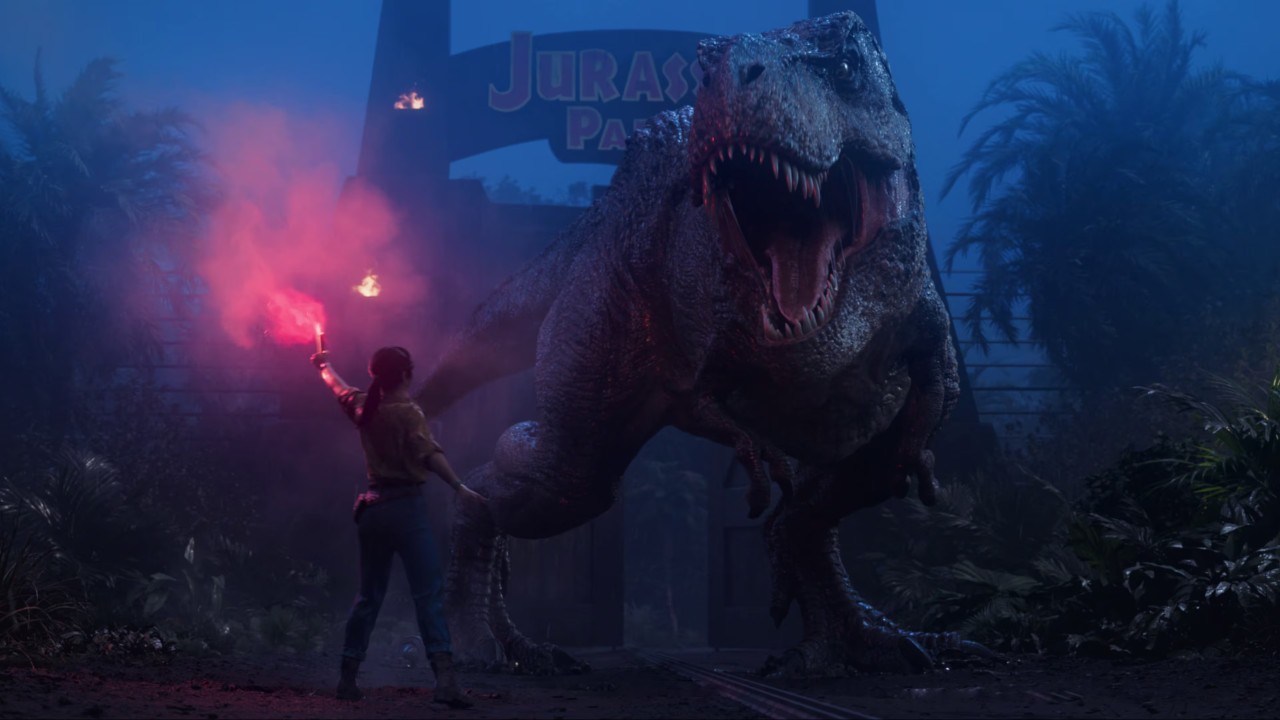
If that holds true, the game may lean closer to a survival sandbox where planning and adaptation matter just as much as direct objectives. After this much development time, expectations are naturally rising. There’s a growing sense that this project has the opportunity to deliver the Jurassic Park game people have imagined for decades.
With speculation building around possible appearances at Summer Game Fest or Gamescom, attention is only increasing.
And right now, the biggest takeaway is simple: Jurassic Park: Survival may be aiming much higher than originally assumed. If these clues reflect the final game, players may finally get a version of Isla Nublar that feels dangerous, explorable, alive, and worthy of the franchise.
Senior Editor, NoobFeed
Related News
No Data.