
Memory Prices are Set to Stabilize: What You Need to Know
Industry leaders anticipate gradual stabilization in memory supply as fabrication capacity increases across multiple major semiconductor facilities worldwide.
News by Masaru Hoshino on Dec 18, 2025
Over the past few months, the prices of memory parts have risen significantly. This has impacted both buyers and producers in all areas of technology. This situation affects PC building, game hardware, and the planning of the larger industry for future systems and parts. Over the next several months, forecasts indicate that conditions may shift and potentially improve, with manufacturers and industry leaders providing insight into market expectations.
We see growing uncertainty across the memory market, with industry insiders noting that elevated pricing and shortages may continue for several months. Edward Chrysler from Sapphire says that things might be hard for gamers and PC builders in the short term, but we should expect things to get back to normal in 6 to 8 months.
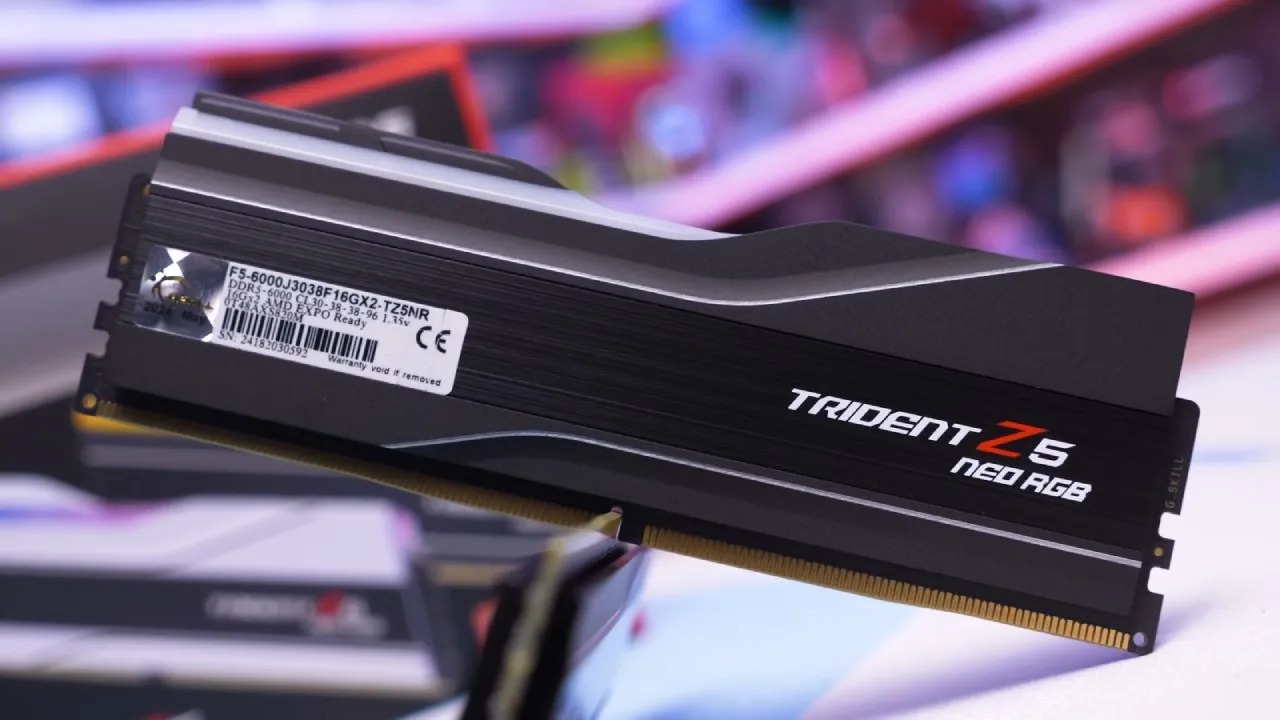
He says you shouldn't buy a lot of things at once just because they're on sale, and that you should keep your present hardware unless you really need to get new stuff.
We understand that some people may need to quickly upgrade because of work. But if your method works, you might be better off waiting. Even older systems like AM4 are having trouble due to limited availability. AMD has cut back on making CPUs like the 5800X3D, so they're harder to find. DDR4 memory can be hard or easy to find based on the store or region. Intel DDR4 systems may offer slightly better availability, but patience is still encouraged.
On a positive note, graphics cards remain relatively well stocked at reasonable prices. Still, uncertainty remains a shared concern across the industry.
SK Hynix has outlined major expansion plans to address surging memory demand.
According to recent news, the M15X factory, focused on HBM production, will begin producing many of them next year. The demand for memory has increased much faster than expected. In response, SK Hynix is working to get more fabrication tools and increase its manufacturing capacity. Improvements are expected in the first half of 2027, and the company intends to retain a high share of the HBM market across GPU and ASIC customers.
These developments reflect how memory manufacturers previously reduced production amid oversupply when demand was low. Now, under new industry pressures—especially from AI—they are accelerating production to catch up.
The CEO of ASUS said that memory has typically accounted for about 8% to 10% of a PC's bill of materials. The total cost impact on OEM systems is still about 3%, even though memory prices rose by 30% to 50%. Long-term supply contracts protect businesses from quick changes in spot prices.
We expect OEM-built PCs from major brands to remain relatively stable in cost and availability, similar to past periods of high demand—such as the GPU shortages during the mining boom—when OEM systems remained one of the few ways to acquire reasonably priced hardware.
Recent reports suggest declining engagement with AI tools in professional environments. Microsoft is reducing certain AI goals due to lower-than-expected Copilot usage. Other sources likewise report a decline in workplace adoption of AI services.
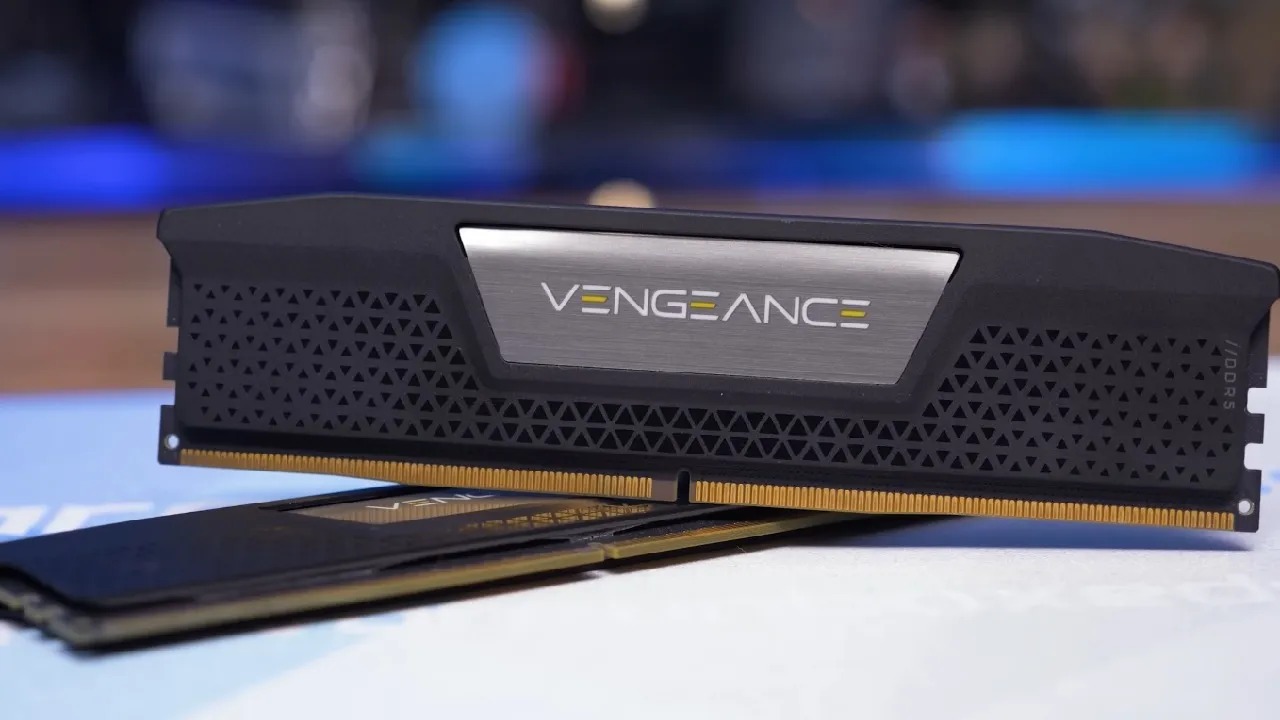
We understand the frustration many of you feel as AI becomes embedded into every tool and platform, often without a clear purpose. Sometimes the solution appears to exist before the problem, which can create irritation rather than convenience.
Samsung and SK Hynix are scaling up production significantly, targeting 900,000 DRAM wafer starts per month for large AI infrastructure projects such as OpenAI's upcoming systems.
This figure represents nearly double the current global output. Some reports disagree on which products will no longer be made. Still, total production increases appear consistent across sources.
If these scaling plans go well, they will likely improve memory pricing in the long run.
If you need memory right now, you might have to pay what they are asking. But if your system is working well, especially if you have a 12900K, 5800X3D, or other strong parts, you can probably wait for next-gen platforms like Zen 6 or new Intel designs. By then, making more should help address the problems of pricing and quantity.
Additional manufacturing in emerging markets will also expand global supply over time, though these efforts will take time to scale.
Regarding future GPUs, such as RTX 50 Super series, uncertainty remains. Delays may continue, and if release timing draws too close to RTX 60 generation, we may see cancellations or restructuring of product plans. AI demand may also influence which GPU manufacturers prioritize.
As producers ramp up production and demand trends become clearer, we expect memory pricing and availability to improve over the next few months. Up until that point, waiting might be the best option unless a problem with the gear requires an upgrade right away. The broader industry landscape—ranging from AI adoption to GPU releases—will continue to evolve alongside these market shifts.
Editor, NoobFeed
Related News
No Data.