
Next-Gen Consoles May Fall Behind in AI if Launched Too Early
Rapid advancements in AI and machine learning are reshaping expectations for when next-generation gaming consoles should realistically launch.
News by Masaru Hoshino on Jan 08, 2026
The pace of AI and machine learning advancement has made next-generation console launches more exciting. As technology moves so quickly, people are worried that releasing a console too soon could put it at a disadvantage compared to hardware that comes out just a year or two later.
We know that a two-year period can be very important from a hardware perspective. Recent studies, such as running Transformer-based Ray Reconstruction models on Nvidia's earlier Ampere GPUs versus newer RTX 4000 or RTX 5000-series GPUs, reveal that tensor cores from subsequent generations can greatly improve machine learning performance.
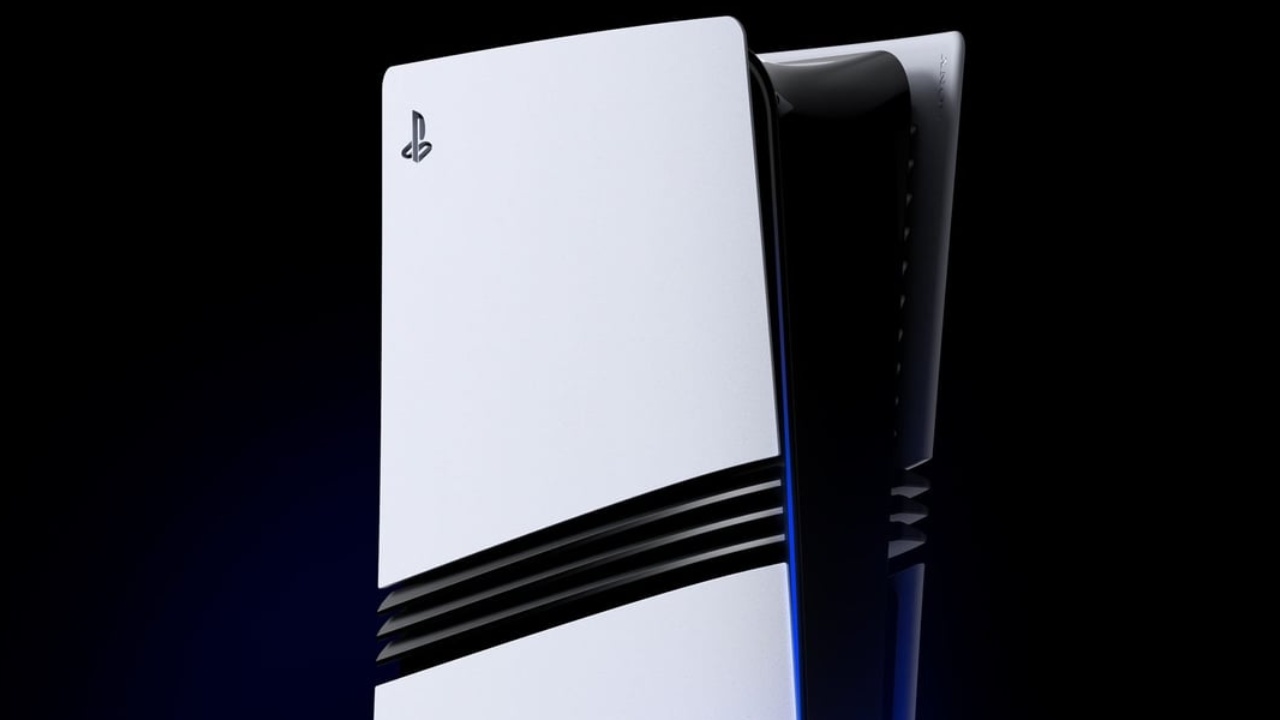
Even if individualized profiling isn't possible right now, it's clear that changes to the ML acceleration design can cause big differences in performance.
If this is true, a console that comes out in 2026 might have to compete with machines that come out in 2027 or 2028 that include more advanced AI-focused hardware blocks. The concern is how well the console's architecture supports new ML workloads and whether its accelerators can handle the data formats and operations required by modern AI algorithms.
We still think the software ecosystem is more dangerous than the hardware one. If a new 2026 box comes out early in the next generation, it could not have any games that really demonstrate its machine-learning skills. A new hardware feature can go unused for months or even years if there aren't any established development tools, libraries, or production-ready ML-assisted rendering pipelines.
This has already happened. The RTX 2000 series from Nvidia introduced ray tracing capabilities. Still, it took months for the first commercial RT-enabled game to arrive. It took DLSS about 2 years to reach the point where everyone wanted to use it. A console in 2026 could face the same problem: great specs but not much software to show how useful it is at launch.
We also know that many of the new machine-learning technologies work well on older GPUs, as long as they can speed up common ML data formats. In that way, older gear has lasted longer than intended. The only time this happens is when a technique relies heavily on new accelerator designs, such as Nvidia's Ray Reconstruction. In these cases, older tensor cores can struggle.
A 2026 console might not be as good as one from 2028, depending on how quickly ML hardware improves and how tightly those improvements are linked to specialized accelerators.
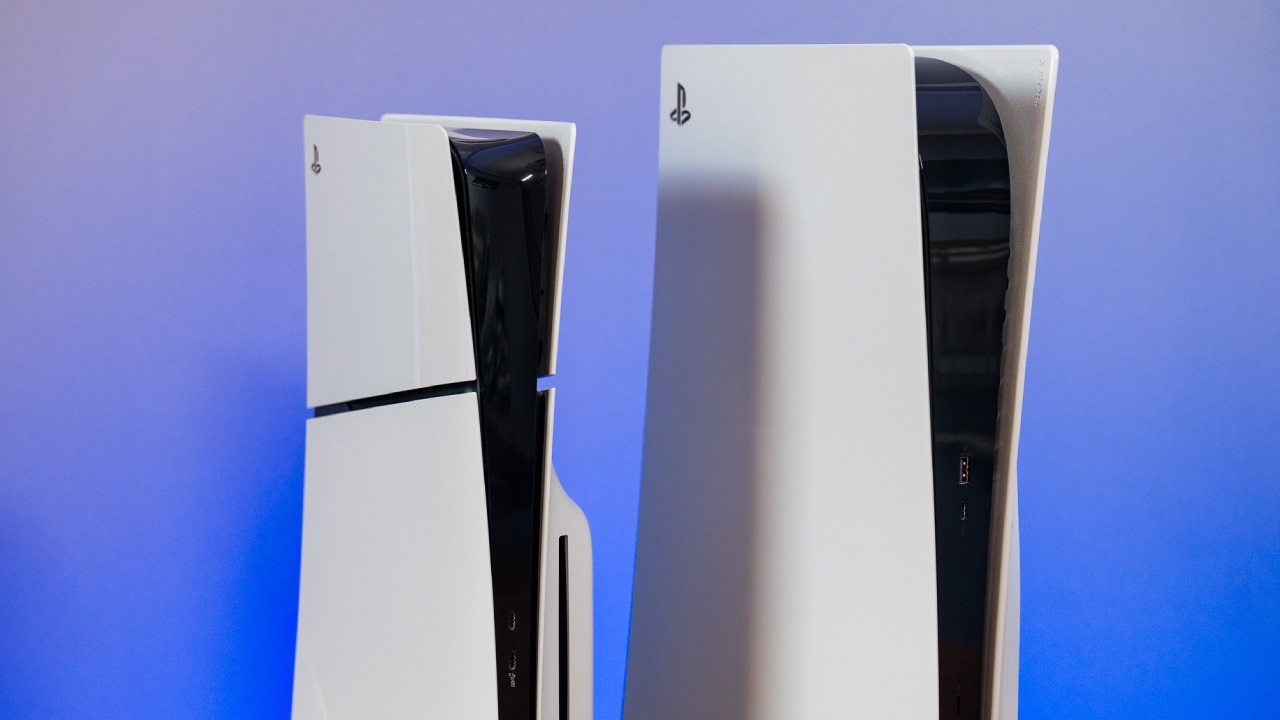
One huge uncertainty is if UDNa is ready to be released in 2026.
To compete with what Sony might provide in 2027, we would require a mostly finished version of UDNa. This version might be more mature and work better.
Unless RDNA 4 makes a significant leap, AMD's current architectures don't seem up to the task of large-scale AI acceleration. So, any console that comes out in 2026 would depend heavily on AMD's next GPU roadmap aligning with the needs of machine learning.
It looks like Sony's strategy is more varied. They have been using their own ML acceleration; how much they depend on UDNa compared to proprietary solutions will affect how much they gain from waiting another year or two.
We may already say that the current generation started AI with a disadvantage. Microsoft knew how important AI would be and built some support for it into the Xbox Series consoles. At the time, Sony mostly ignored the necessity. DLSS has since become one of the most important graphics technologies in recent years, demonstrating how machine learning has become central to rendering pipelines.
Looking ahead to the next generation, everyone knows what's at risk. Machine learning will be very important, and both big companies will plan around it much more intensively. However, because of how technology works, there is always something better just around the corner, making time a constant balancing act.
Editor, NoobFeed
Related News
No Data.