
Nintendo Just Pulled a Power Move: Rivals Didn’t See It Coming
By taking over Bandai Namco Studios Singapore, Nintendo is quietly building the creative machine behind its next generation of hits.
News by Zahra Morshed on Nov 29, 2025
In the world of video games, there has been a quiet but significant change. It looks like Nintendo made a move that analysts, fans, and rivals didn't see coming. The business has agreed to buy Bandai Namco Studios Singapore through a share swap. Bandai Namco Studios Singapore is a development studio that is known for being very good at making in-game art assets. The company will now be known as Nintendo Studios Singapore after the changeover is over.
When Nintendo made the purchase, it sent a clear message. The team in Singapore has a long history of working on big games for the company, such as the Splatoon series. It has been helpful on many projects because of how good it is at designing environments and drawing characters. Nintendo said that the studio's consistent work and high quality led to the choice to make it an official internal partner.
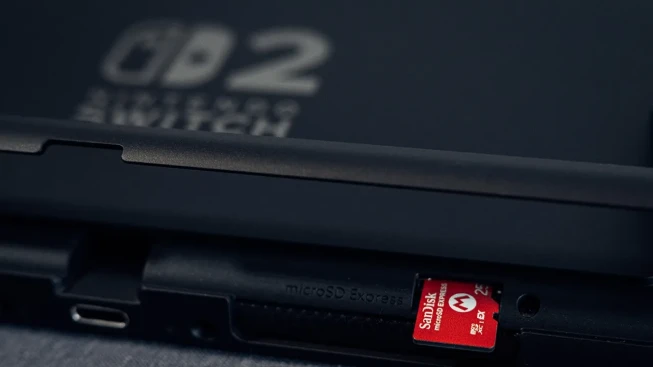
Nintendo will buy 80% of the studio's shares in the beginning, on April 1, 2026. The last few shares will be bought once the team is stable under the new framework. This shows a long-term goal instead of a short-term practice. The move makes the Singapore studio a key part of Nintendo's next wave of hardware. This is not an easy acquisition; it is a planned growth.
Many people don't know how long the company has been around. During the creation of Splatoon 3, it helped make sure that the graphics were clear and that the style stayed the same. Along with Bandai Namco, it also helped make New Pokémon Snap, a game that needed careful landscape art and expressive character design.
Its efforts can be seen in fighting games like Tekken 7 and Tekken 8, showing how flexible it is across completely different types of games.
One element that is often missed shows how far the partnership really goes. Bandai Namco Singapore was said to have been involved with early builds of Metroid Prime 4 before Retro Studios took full control of the project. In the past ten years, the company has worked on a number of important Nintendo projects. This purchase wasn't made out of the blue; it's the result of a long-term friendship.
But the most important thing about this move is that it shows the future of a single brand. Splatoon has become one of Nintendo's biggest hits around the world, especially in Japan, where it has had a huge impact on culture. In Japan, Splatoon 3 sold more than 3.5 million copies in its first three days, making it one of the fastest-selling games in the country's history. A lot of people are looking forward to the next book in the series.
Nintendo knows that Splatoon 4 could help form the early identity of the Switch's next generation. When hardware is much better than the current model, there will be a lot more work to do on development. More resources will be needed for bigger rooms, more detailed environments, better effects, and more human interactions. Increasing one's own artistic skills through this purchase helps protect that shift.
People think that Splatoon 4 should not just continue the game, but make it much better. People who love competitive depth will be looking forward to new game modes, improved weapon systems, bigger teams, and more dynamic stages. With higher-resolution screens and better frame rates, art direction will have to change. There have been rumors that 4K video and 60 frames per second are on the way, and there may even be modes with even better performance.
These goals can be met by Nintendo Studios Singapore. Its experience with a variety of hardware platforms makes it a good fit for the needs of the next Switch. The studio's skill with stylized rendering, fluid motion, and environments that are driven by characters fits Splatoon's aesthetic needs precisely. Its participation can make Nintendo's own production teams less busy and speed up the release dates for big games.
The purchase improves Nintendo's overall development process, not just Splatoon. To increase output without lowering quality, the company has been slowly setting up an internal network of studios around the world. Monolith Soft, Next Level Games, Shiver Entertainment, and Retro Studios have already helped Nintendo improve its own skills. Including the studio in Singapore makes the company's long-term output plan even more reliable.
It's clear that Nintendo is getting ready for a change in age. For bigger, more technically difficult games, you need stable teams with systems that work together. The company has stressed many times that making games today takes longer than it did in the past. Buying studios that have a history of success can help cut down on delays and make sure that development cycles for multiple brands go more smoothly.
This move also helps Nintendo's strategy for going after areas around the world. In the West, Splatoon keeps getting bigger, but in Japan, it's still the most popular game. A physically stunning fourth installment could reach a lot more people. Its global influence would be stronger if it had better online features, more seamless matchmaking, and more fun cooperative activities. The Singapore studio's knowledge could help make these tools better.
Some people think that the purchase means more than just backing for Splatoon. The Nintendo Studios in Singapore could work on a number of big Nintendo projects. This group might work on improving the art of the environments in future adventure games, making the movies in role-playing games better, or making the stages in multiplayer games more visually interesting. The studio can be used for many things because it is flexible.
As work on the successor to the Switch nears its end, Nintendo seems determined to create an environment that can support higher production values. The most successful businesses in the company will need the kind of help that can only come from teams that work together very well. Bringing together Nintendo's artistic and technical ability makes quality control tighter and workflows more efficient.
The whole industry is also getting a message from this deal. Nintendo isn't just getting bigger for the future. It is building an internal creative structure that can meet the higher standards of competitors and players. In the next age, people will need big ideas, well-executed plans, and consistent work. They can do that because they have a strong network of companies.
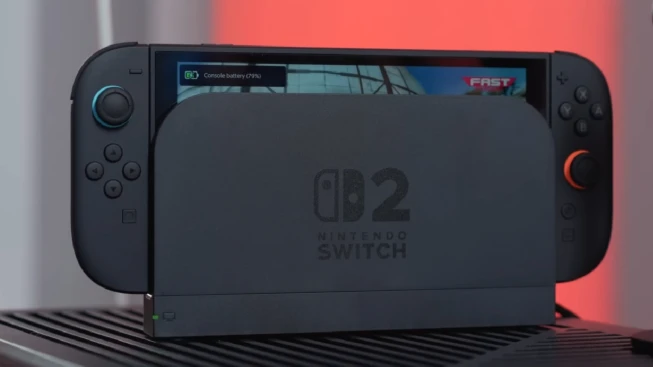
Now that Nintendo is in charge of the Singapore team, everyone is looking forward to what comes next. A statement about Splatoon 4 might come out in the next year. Fans are already keeping a close eye out for changes to the game's look, more gameplay options, and the addition of completely new competition systems. Every part of the planning of such an important game needs to be done with great care.
The deal brings out a bigger truth about Nintendo's plans. The company is building a base that can support bigger groups, deeper worlds, and more complex art. Investing in internal resources shows a dedication to making games that set the standards for technology rather than following it. The studio in Singapore will now be a part of that history.
If Nintendo's next wave of platforms lives up to expectations, it will need teams that can push the limits while still keeping the studio's signature creativity. At this point, Nintendo Studios Singapore is in the middle of this change. How much of the future this deal is meant to change will become clear over the next few years.
Contributor, NoobFeed
Related News
No Data.