
NVIDIA GPU Supply Cuts and Rising SSD Prices: AI is Shaping the Market
Demand from expanding AI data centers continues driving major shifts across consumer hardware markets and manufacturing priorities.
News by Masaru Hoshino on Dec 20, 2025
The fast pace of AI development is changing the PC hardware market in ways that many builders did not see coming. At first, it seemed like the pricing changes were only transitory. Still, they are now part of a larger trend affecting many parts of the industry.
As data centers and AI workloads grow, the need for critical hardware components has increased, causing problems for consumers, merchants, and manufacturers. There are growing concerns about changes in GPU supply, rising RAM prices, and even fluctuating SSD prices.
There are many signs that further problems are on the way, so it looks like the next couple of years will be hard for PC builders who want to make cheap improvements.
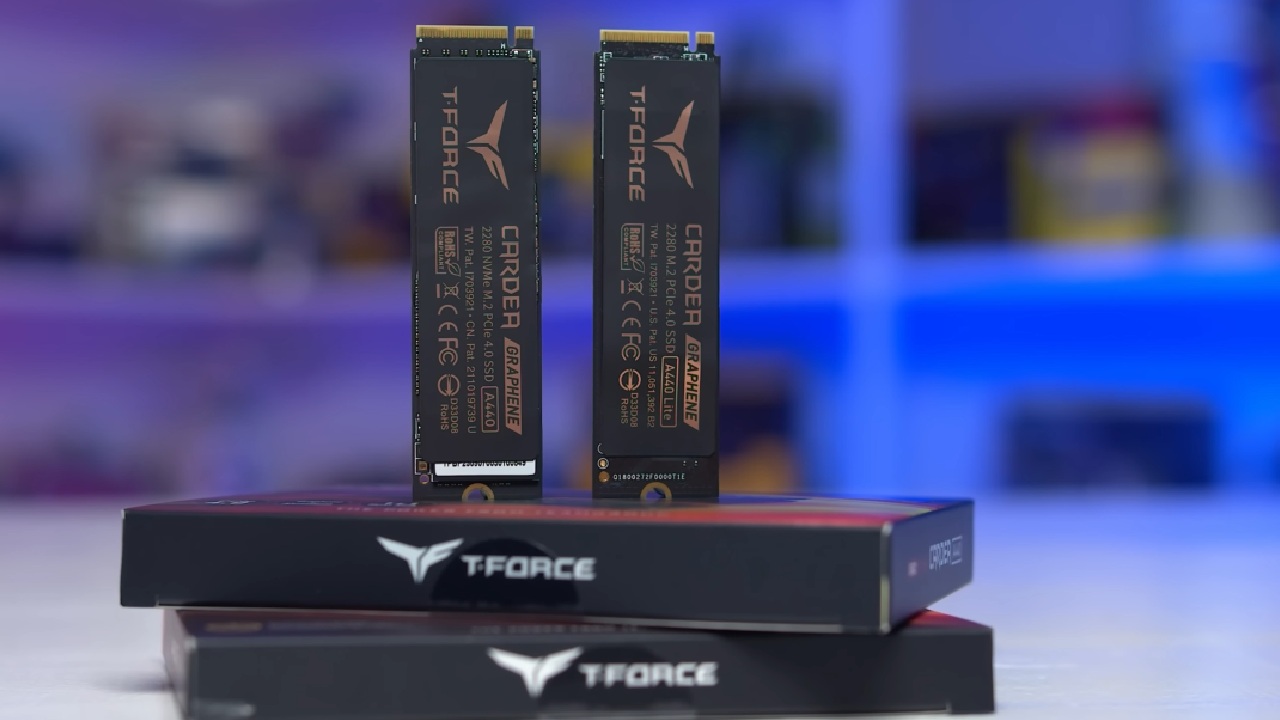
PC Gamer report said Kingston's NAND wafer prices have risen an unbelievable 246% in just 60 days. It's not normal for prices to rise so much in such a short time, and this makes us worry about retail SSD prices over the next several months.
We don't think that SSDs at your local store will suddenly cost 246% more, but big price hikes do seem more likely.
Upgrading to an SSD is a common and affordable option for many people. But because of this kind of NAND cost pressure, we can see prices go up for machines with capacities like 500GB, 1TB, and 2TB. Budget NVMe drives that used to be very cheap might return to their prior price ranges, and higher-end Gen4 and Gen5 SSDs could get much more expensive.
We recommend that you think carefully before buying storage. If you really need more storage right now, whether it's for gaming, work, or creative work, there's nothing wrong with getting a fantastic offer while you can. But if your system still has a lot of space, it's fine to wait.
Hardware prices have historically fluctuated in cycles. This cycle might last longer because of AI demand, but we've seen storage markets fix themselves before. SSDs don't seem to be at the lowest prices right now, but they also aren't at crisis levels. This is more of a "cautious window" than an emergency.
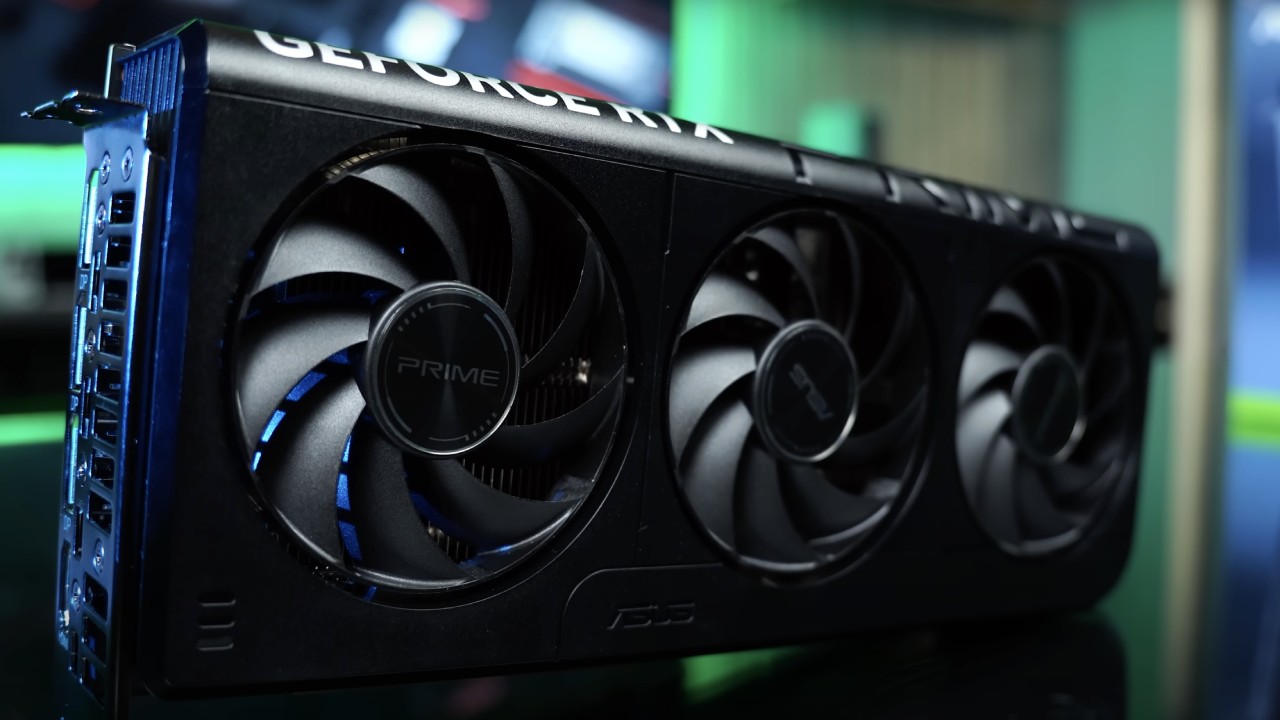
Nvidia may cut production of the GeForce RTX 50 series by 30–40% in the first half of 2026.
This is another big piece of news. This kind of drop would be big enough to affect prices, availability, and even subsequent GPUs when they come out.
It's normal for PC builders to be worried about the likelihood of supply getting tight again now that many GPUs have finally settled around MSRP, with some even going a little below it.
We think two key factors working together are to blame for this circumstance. AI is definitely taking in huge amounts of data at rates never seen before. When data centers buy large numbers of GPUs, it has a direct effect on the supply chains for GDDR memory, power-delivery components, and other key components.
On the other hand, Nvidia usually slows production of a generation after it reaches its peak. RTX 50 range will be a few years old by 2026, and the RTX 60 generation is scheduled to come out around 2027. As time goes on, demand inevitably goes down.
Some rumors suggest that the RTX 5060 Ti and RTX 5070 Ti may face the largest supply reduction.
This could be because AI markets are putting pressure on GDDR7 demand. Since these are among the least expensive 16GB cards and AI tends to prefer high-memory setups, it is plausible that the overlap in resources could cause supply problems.
Even so, we don't see any signs that Nvidia wants to stop making consumer GPUs. Instead, it probably has to balance the needs of two huge markets—gaming and AI—while avoiding an oversupply of older models when new generations are released.
We've already discussed how RAM costs have risen significantly. Some experts think prices will stabilize in late 2026, while others say it might not be until 2028 that they fully recover.
AI needs a lot of memory, which is why both DRAM and NAND makers are shifting their production to higher-margin corporate goods. This means that parts made for gaming have to compete for a lower share of production capacity.
When we put together the RAM surges, the SSD wafer pricing explosions, and the possible cuts to GPU supply, it's evident that these things aren't happening in a vacuum. They are all linked together and affected by the same fast-growing field: AI.
.jpg)
We get how frustrating it is, especially because many of us thought that the end of crypto would bring long-term stability. But the pattern of unexpected spikes in demand causing temporary problems seems to be repeating, this time driven by machine learning rather than cryptocurrency mining.
We think these problems will slowly go away as production changes, based on what we've seen thus far. We think that by 2027, much of this chaos will have settled down, but there are no guarantees.
This cycle will probably find equilibrium again, just like past hardware shortages did, as corporations add more production lines, build more factories, and change how they get their products to customers.
Now might be a good time to get a GPU, SSD, or RAM if you've been planning to do so and can afford it. But we really don't want you to feel rushed. Trends in PC technology change, often in ways that are impossible to forecast. If you react out of urgency instead of need, you may end up paying too much.
If it makes sense to buy now, do it. Waiting is fine if it doesn't. Things like this have happened previously, and while they can be annoying, they don't usually last forever.
Editor, NoobFeed
Related News
No Data.