
Pragmata Sequel Talk Builds as Players Look Beyond the Ending
Capcom’s sci-fi project leaves room to grow, with its combat, characters, and story all pointing toward a continuation.
News by Tahmid Mahi on Apr 30, 2026
You’re looking at a game like Pragmata, and it doesn’t take long before your thoughts drift toward what comes next. As more players spend time with it and reach the end, the conversation naturally shifts to whether it should continue. Instead of feeling like a complete stop, the experience leaves space for something more. You’re not just finishing a story; you’re stepping away from something that feels like it still has momentum.
You also notice that not everyone agrees on that direction. Some players lean toward the idea that the game should be left alone, treated as a single, contained experience. It’s a perspective that values closure and avoids stretching a concept too far. Even so, once you’ve gone through the full experience yourself, that viewpoint can feel limiting.
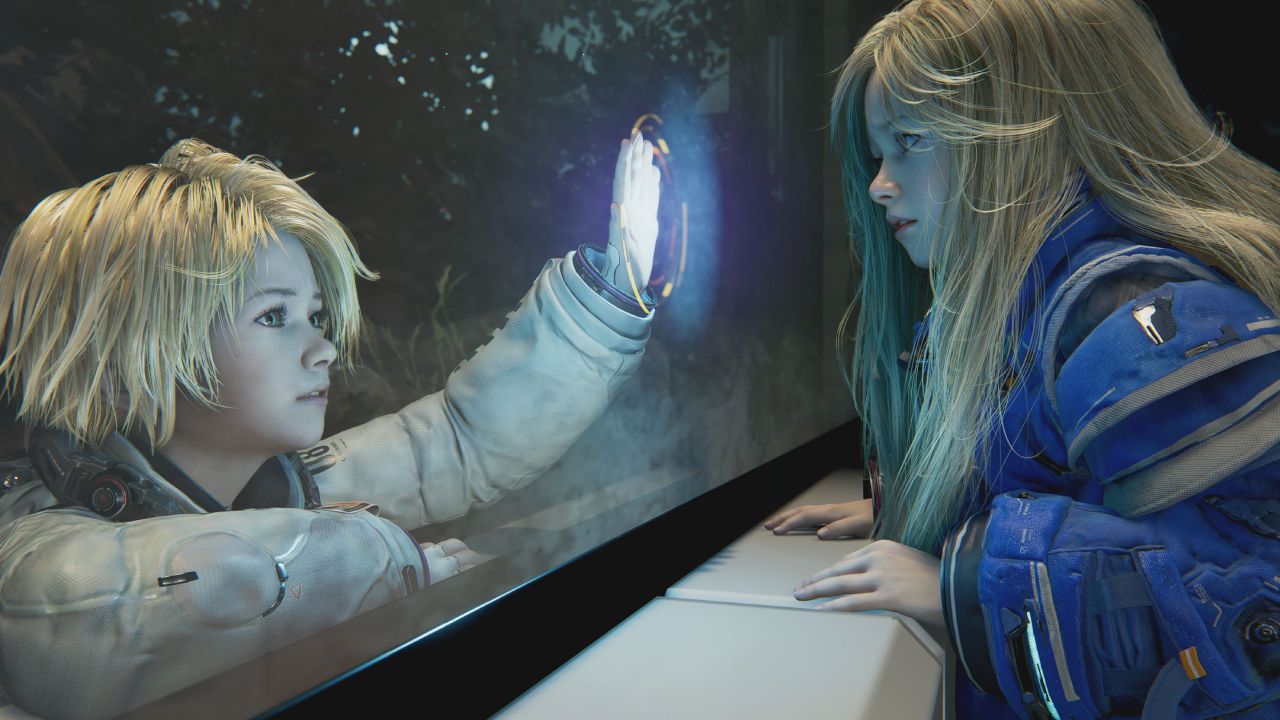
As you play, one thing that stands out is how much it gives you after the main story ends.
You’re not just finishing a campaign and moving on; you’re stepping into additional content that extends your time with it. For a single-player-focused title, that kind of approach isn’t always common. It shows a level of investment in keeping you engaged beyond the credits. Even with that extra layer, I still feel like there’s more that could be explored.
But that feeling of untapped potential makes it harder to accept the idea of leaving it behind. When a game offers both depth and expansion within its existing structure, it usually signals that there’s room to build further. You don’t have the impression that everything has been fully realized.
Looking back at how the game was positioned during development adds another layer to the discussion. There was a point where Capcom viewed Pragmata as something that could grow into a key part of its lineup. It wasn’t framed as a one-off experiment but as something with long-term potential. That kind of positioning doesn’t guarantee a sequel, but it does shape expectations.
You don’t have to expect it to reach the level of Capcom’s biggest franchises to see that potential. It’s not about matching the scale of something like Resident Evil right away. Instead, it’s about establishing a foundation that can grow over time. That’s where Pragmata seems to fit. It doesn’t need to be an immediate hit at the highest level to justify continuing.
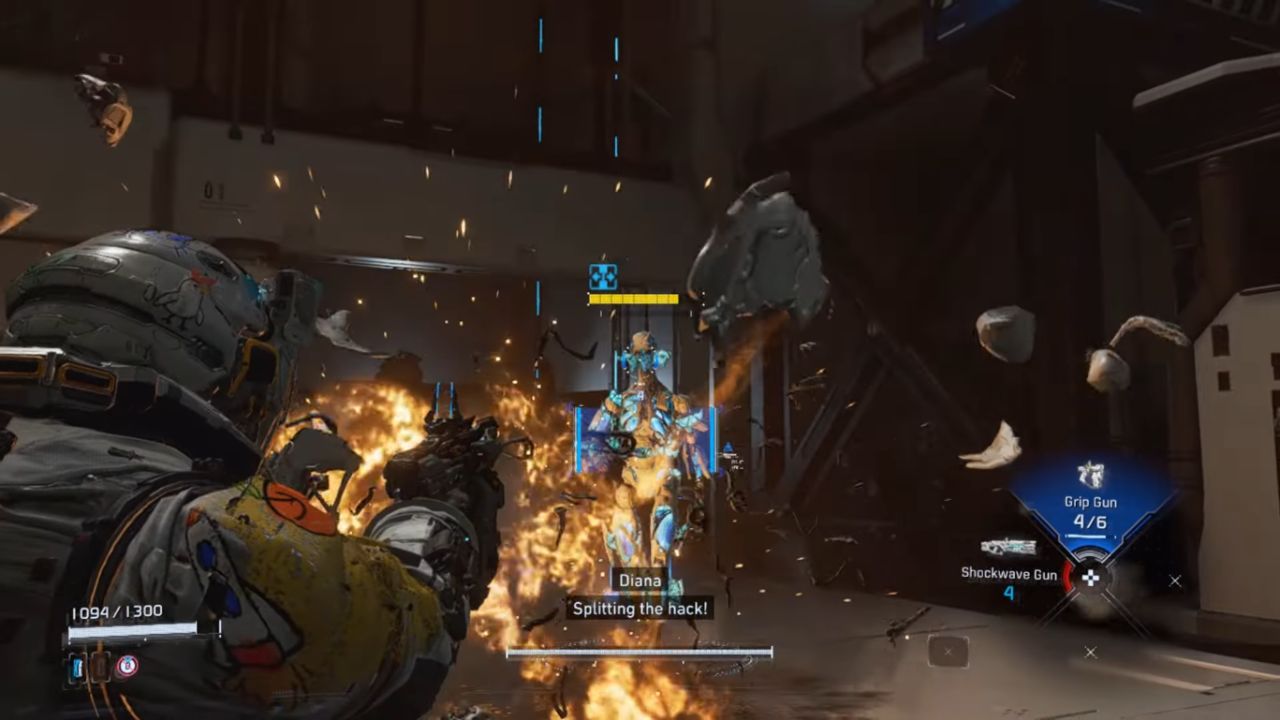
When you turn your attention to the gameplay, the case for a sequel becomes even stronger. One of the most striking features here is the combat system, which is notable for how layered it is. This isn’t just basic mechanics but a series of interacting systems in real time. It takes time to see how everything fits together, but when it does, you realize how much work went into it.
You’re also aware that the development team had to spend a significant amount of time refining that system.
It wasn’t something that came together quickly or easily. When a mechanic requires that level of attention, it usually becomes something worth expanding on. You don’t create a complex system like that just to use it once and move on. Instead, it feels like the starting point for future improvements and variations.
The combat’s depth also opens the door to new possibilities. You can already imagine how many different weapons, powers, and combinations a sequel could add. We have the infrastructure to handle that kind of growth. A sequel. Why not build on what already works instead of reinventing the wheel? That system allows you to have familiarity and change without losing the essence of the system.
But beyond gamepsystem's essence is a factor in shaping what’s next. It appears to be starting well, with strong player numbers and positive engagement. That kind of start matters for a new IP establishing itself. It indicates that there’s an audience willing to invest time in it. Even if it doesn’t reach the highest sales figures, it doesn’t need to in order to justify continuing.
You’ve seen how Capcom handles its other titles, especially those that maintain steady sales over time. Games that continue to sell months or even years after release tend to have a longer lifespan. If Pragmata follows that pattern, it strengthens its position as a candidate for a sequel. It’s not just about how it performs in the first few weeks.
If you pay attention to the story, the end shapes your view of the game's future. Specifically, the secret ending leaves you feeling uncertain in a way that seems intentional. It suggests that Hugh may still be alive but doesn’t say so directly. And the way the scene is presented makes you come to that conclusion.
That idea stands out even more when you consider what the game tells you earlier. You’re led to believe that there’s no cure for what’s happening to him. The ending challenges that assumption and allows for new explanations. It introduces the possibility that there’s more going on than you were initially told.
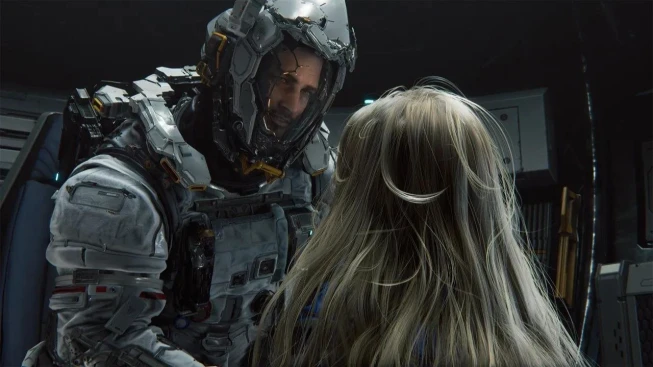
The story itself revolves heavily around Hugh and Diana, and that connection drives most of the emotional impact.
Their relationship is what keeps the narrative grounded, even when the larger plot expands. If a sequel happens, it’s hard to imagine it moving away from that focus. Instead, it would probably elaborate on it, examine new dynamics, but keep the core.
One of these directions is the idea of splitting the two characters. You could see them starting a sequel in different locations, each with their own challenges. This type of structure allows for different perspectives and playstyles. It lets you see the world differently but maintain the connection between them.” And they would meet again, and what had made their relationship work in the first place would be reaffirmed.
Or think about how their skills and roles change in that scenario. Diana can learn new skills or improve existing ones, giving you more options for combat and exploration. Hugh, though, could be different, depending on his mood. That contrast could strike a balance between different playstyles.
Another area that a sequel could expand on is the setting. "Having the story set on Earth would present a whole new range of environments and challenges. It would alter the tone of the experience but still connect to what preceded it. New locations would mean new enemy types and systems. That kind of shift keeps the experience fresh without abandoning its foundation.
As you consider all of these elements together, the idea of a sequel starts to feel more like a continuation than a possibility.
The game doesn’t appear to be something that should end where it does. Instead, it feels like the first step in a larger plan. Everything from its systems to its story points toward growth rather than closure. It sets the stage for what could be coming next, rather than tying things up.
But there is still room for improvement. A sequel could learn from what worked and improve it. There were some things that I could've explained or expanded on or paced differently, but other than that, I really enjoyed the story. You should flesh out the characters more and give us more insight into their motivations and struggles. Those changes wouldn’t replace what the original did; they would build on it.
You also have the opportunity to see how the narrative could evolve with a more focused approach. A sequel could build on the foundation already established and provide a more cohesive experience. It could balance gameplay and story in a more holistic way. That kind of progression is what you expect when a game moves from its first entry to the next. It’s about growth rather than repetition.
In the end, Pragmata leaves you with the sense that it’s meant to continue. It feels open, and it presents itself as such. Instead, it feels like the start of something that can expand over time. The systems, the characters, and the story all support that direction. Rather than standing alone, it feels like it’s waiting for the next step.
Editor, NoobFeed
Related News
No Data.